How to Store Furniture: Simple Tips for Keeping Pieces Safe and Organized
When you need to store furniture, it’s not just about tucking it away—it’s about keeping it in good shape. Whether it’s a wooden wardrobe, a fabric-covered sofa, or a metal-framed recliner, improper storage can lead to warping, mold, scratches, or even permanent damage. A furniture storage, the practice of protecting and organizing furniture during periods of non-use. Also known as furniture preservation, it’s not just for moving season—it matters if you’re downsizing, renovating, or just clearing space. The goal isn’t to hide it out of sight, but to keep it ready to use when you need it again.
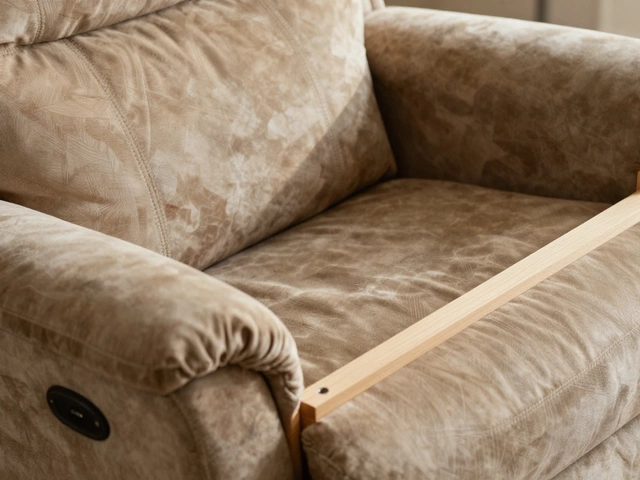
Many people think storing furniture means tossing it in a garage or basement and forgetting it. But that’s where problems start. Moisture is the silent killer. A wardrobe storage, a common method for protecting clothing and wooden furniture in enclosed spaces. Also known as closet storage, it’s effective only if the space is dry and ventilated. If you’re storing a wardrobe in a damp basement, the wood will swell, hinges rust, and fabric mildews. Same goes for recliners—those padded arms and backs absorb moisture like a sponge. That’s why using a moisture absorber, a device or material that pulls humidity from the air to protect stored items. Also known as dehumidifier, it’s a simple, low-cost tool that prevents mold and mildew in enclosed storage areas. Silica gel packs, calcium chloride buckets, or even DIY charcoal bags can make a huge difference.
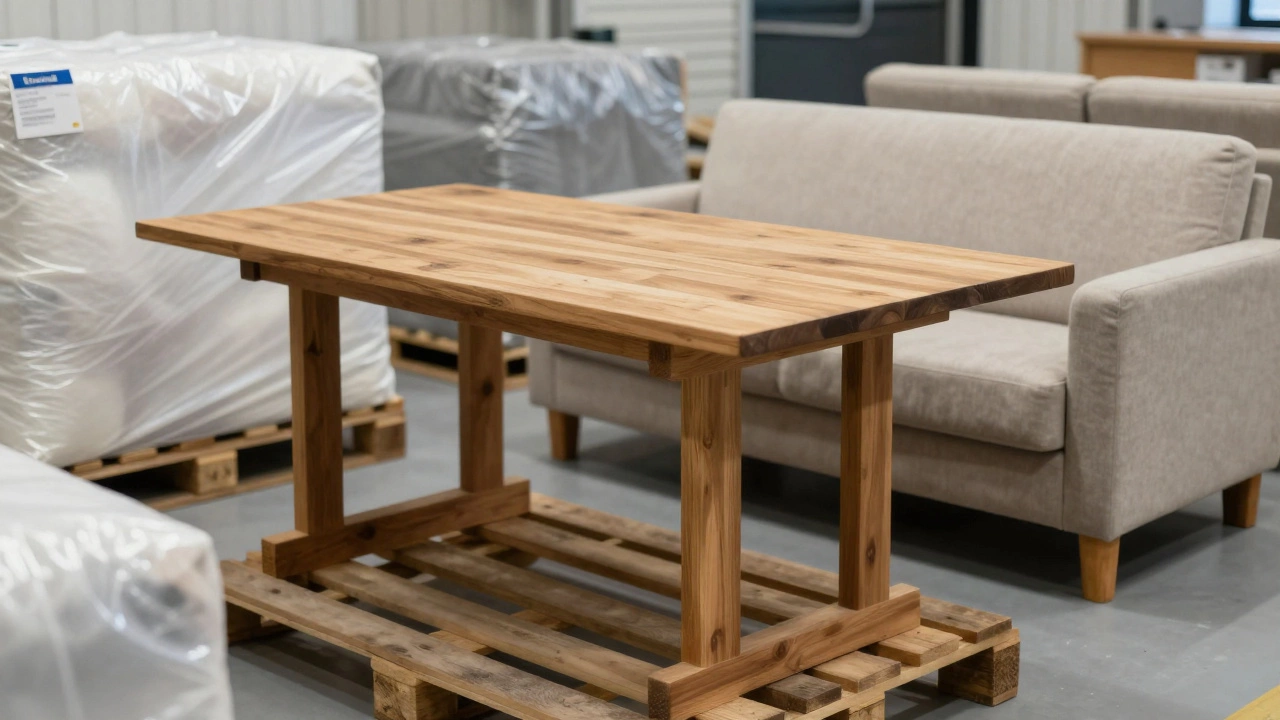
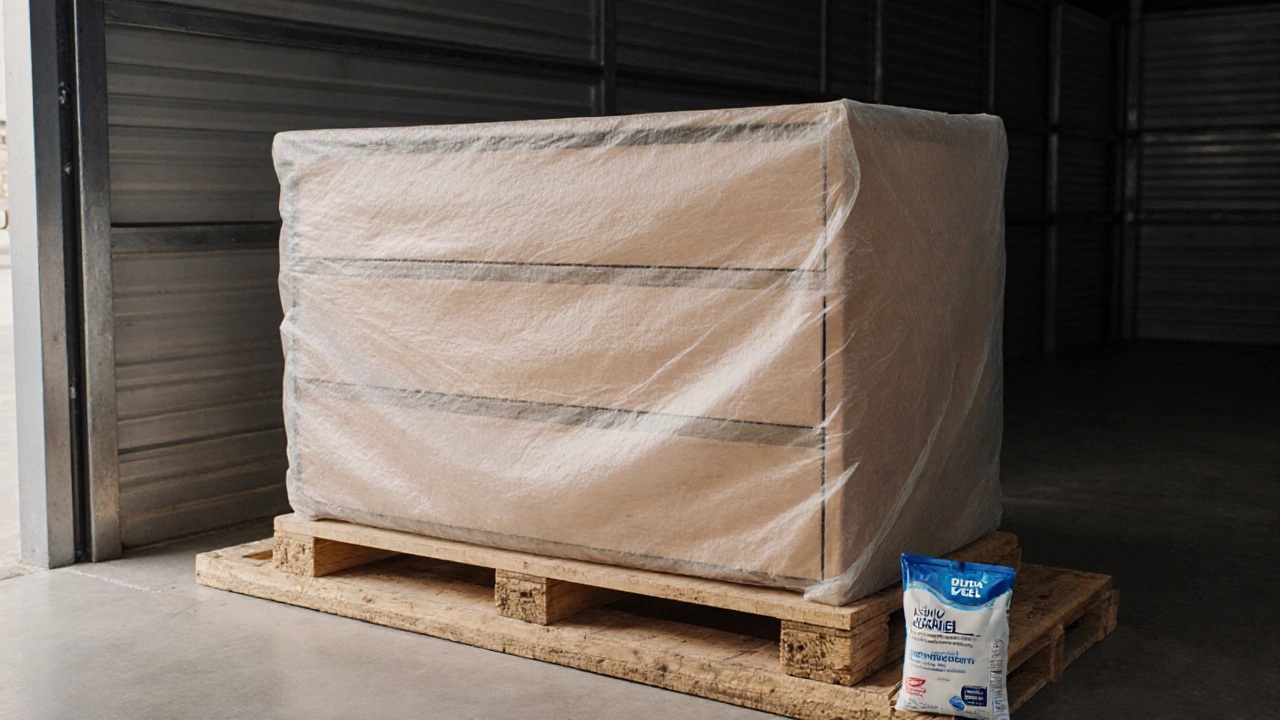
Then there’s layout. If you’re using a storage room layout, a planned arrangement of furniture and shelving to maximize space and accessibility. Also known as storage unit design, it’s more than just stacking things. You need to leave air gaps, avoid stacking heavy items on delicate pieces, and never place furniture directly on concrete. Use pallets or risers. Cover sofas and chairs with breathable cotton sheets—not plastic. Plastic traps moisture and causes fabric to break down. And don’t forget to check on your stored items every few weeks. A quick look can catch a leak, a pest, or a shifted item before it becomes a big problem.
You’ll find posts here that cover exactly this—how to protect wardrobes from humidity, why recliners go stiff if stored wrong, how to arrange a 5x10 storage room so nothing gets crushed, and which moisture absorbers actually work. These aren’t theoretical tips. They come from real people who’ve learned the hard way. Whether you’re storing a single chair or an entire living room set, the rules are the same: keep it dry, keep it supported, and keep it visible. The right setup means your furniture won’t just survive storage—it’ll still look good when you pull it back out.