Recliner Chairs: What They Are, How They Affect Your Body, and What to Look For
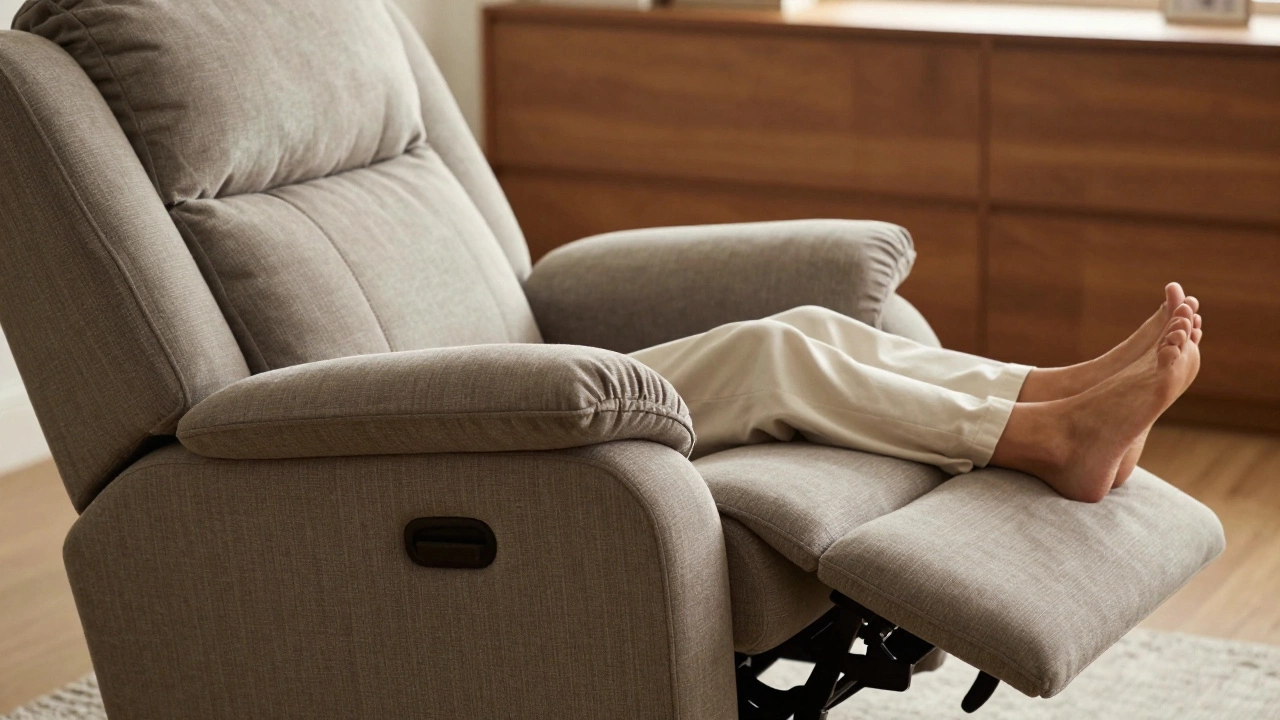
When you think of a recliner chair, a type of armchair that leans back with footrest support for relaxed seating. Also known as a lounge chair, it’s meant to help you unwind—but not all recliners are built the same. Many people use them to watch TV, read, or even sleep, but if the design doesn’t match your body, it can cause more harm than good. A poorly made recliner might feel cozy at first, but over time, it can lead to stiff hips, aching legs, and chronic back pain.
The real issue isn’t the recliner itself—it’s how it supports your spine and legs. A chiropractor recommended recliner, a chair designed with proper lumbar support and adjustable angles to maintain spinal alignment keeps your lower back curved naturally, not flattened. Without that, your spine gets pulled out of position, which is why so many people feel worse after sitting in one. And it’s not just your back. A recliner chair, when used incorrectly, can restrict blood flow to the legs, leading to numbness, swelling, or even leg pain at night. That’s not normal. It’s a sign your chair isn’t giving your body what it needs.
What makes a good recliner? It needs three things: adjustable lumbar support, a footrest that fully extends your legs, and a recline angle that doesn’t tilt your pelvis backward. Soft, sink-in designs might feel nice, but they’re the worst for long-term use. Look for models with manual or power adjustments—you want control, not just a button that makes it go back. And don’t assume all recliners labeled "ergonomic" actually are. Check reviews from people who use them daily, especially those with back issues.
Some people swear by sleeping in a recliner every night, especially if they have sleep apnea or acid reflux. It’s not ideal, but it can work—if the chair supports your neck and keeps your spine neutral. But if you wake up stiff, achy, or with tingling legs, it’s time to rethink your setup. Your body isn’t meant to stay bent in one position for hours. Movement matters. Even in a recliner.
Below, you’ll find real advice from people who’ve dealt with these problems. We’ve pulled together posts that explain why your legs ache after using a recliner, what chiropractors actually recommend, and how to sit safely without cutting off circulation. No fluff. Just what works—and what doesn’t.