ADHD Severity & Chair Match Finder
Select the statement that best describes your current workplace experience to find your informal ADHD tier and recommended chair features.
Recommended Chair Features
You might have heard someone say they have "mild" or "severe" ADHD, but doctors don't actually use a five-level scale for diagnosis. The DSM-5, which is the manual clinicians use to diagnose mental health conditions, categorizes Attention Deficit Hyperactivity Disorder (ADHD) into three presentations: predominantly inattentive, predominantly hyperactive-impulsive, and combined. So where does this idea of "five levels" come from? It usually stems from popular psychology articles or specific treatment programs that break down symptoms by how much they disrupt your life. Understanding these informal tiers helps you figure out not just what you have, but what you need to function better. If you are struggling to sit still or focus at work, the right environment matters more than you think.
Let's clear up the confusion first. There is no official medical chart with Level 1 through Level 5 ADHD. However, many experts describe a spectrum of impairment. This spectrum ranges from people who can mask their symptoms easily to those whose lives feel completely chaotic without medication and support. Knowing where you fall on this spectrum changes how you approach your daily routine. It also changes what kind of tools you need. For someone with high sensory sensitivity or restlessness, a standard office chair might be a nightmare. You need gear that works with your brain, not against it.
The Spectrum of Impairment: From Mild to Severe
Think of ADHD like volume control on a stereo. For some, it’s turned down low; they hear the music but can ignore it. For others, it’s blasting so loud they can’t think. While the DSM-5 uses "mild," "moderate," and "severe" specifiers based on symptom count and functional impairment, online communities often expand this into five distinct stages to help people relate to each other.
| Tier | Description | Workplace Challenge | Ideal Furniture Feature |
|---|---|---|---|
| Subclinical/Mild | Symptoms exist but rarely impact major life areas. High masking ability. | Occasional distraction during long meetings. | Standard ergonomic support. |
| Moderate | Noticeable difficulties in organization and time management. Requires effort to cope. | Procrastination on large projects; fidgeting. | Adjustable lumbar support and seat depth. |
| Significant | Frequent missed deadlines; social friction due to impulsivity. | Inability to sit still for long periods. | Saddle chairs or active seating. |
| Severe | Major disruption in career and relationships; requires medication for baseline function. | Physical discomfort exacerbates mental agitation. | High-adjustability task chairs with tilt locks. |
| Complex/Comorbid | ADHD paired with anxiety, depression, or sensory processing issues. | Sensory overload makes open offices impossible. | Enclosed high-back chairs with headrests. |
This table isn't a medical diagnosis, but it highlights a practical reality: as the internal noise gets louder, your external environment needs to get quieter and more supportive. If you are at the "Moderate" level, you might just need a reminder app. If you are at the "Complex" level, you might need a complete workspace overhaul.
Why Your Chair Matters More Than You Think
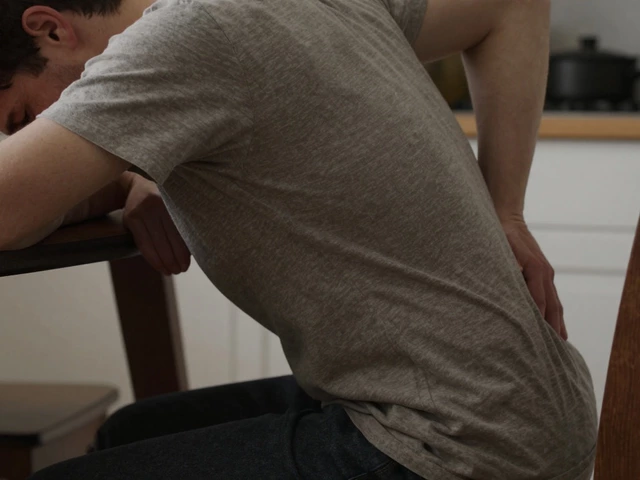
People with ADHD often experience proprioceptive issues. That’s a fancy way of saying your brain doesn’t always know exactly where your body is in space. When you sit in a generic, stiff office chair, your body sends constant subtle signals of discomfort to your brain. For a neurotypical person, this is background noise. For an ADHD brain, already fighting to focus on a spreadsheet, that discomfort becomes a shout. It drains your cognitive battery before you’ve even started working.
A good office chair acts as a grounding tool. It provides consistent pressure and support, which can actually help regulate your nervous system. If you are fidgety, a chair that allows movement-like one with a swivel base or slight bounce-can channel that energy productively instead of letting it distract you. Conversely, if you are prone to zoning out, a chair that keeps you upright and engaged prevents you from slumping into a passive state.
Tier 1 & 2: The Maskers and The Strugglers
At the lower end of the spectrum, individuals often go undiagnosed for years. They are the ones who seem highly organized but burn out quickly because maintaining that order takes immense mental effort. These folks usually have "Predominantly Inattentive" ADHD. They don’t jump around; they just forget why they walked into the room.
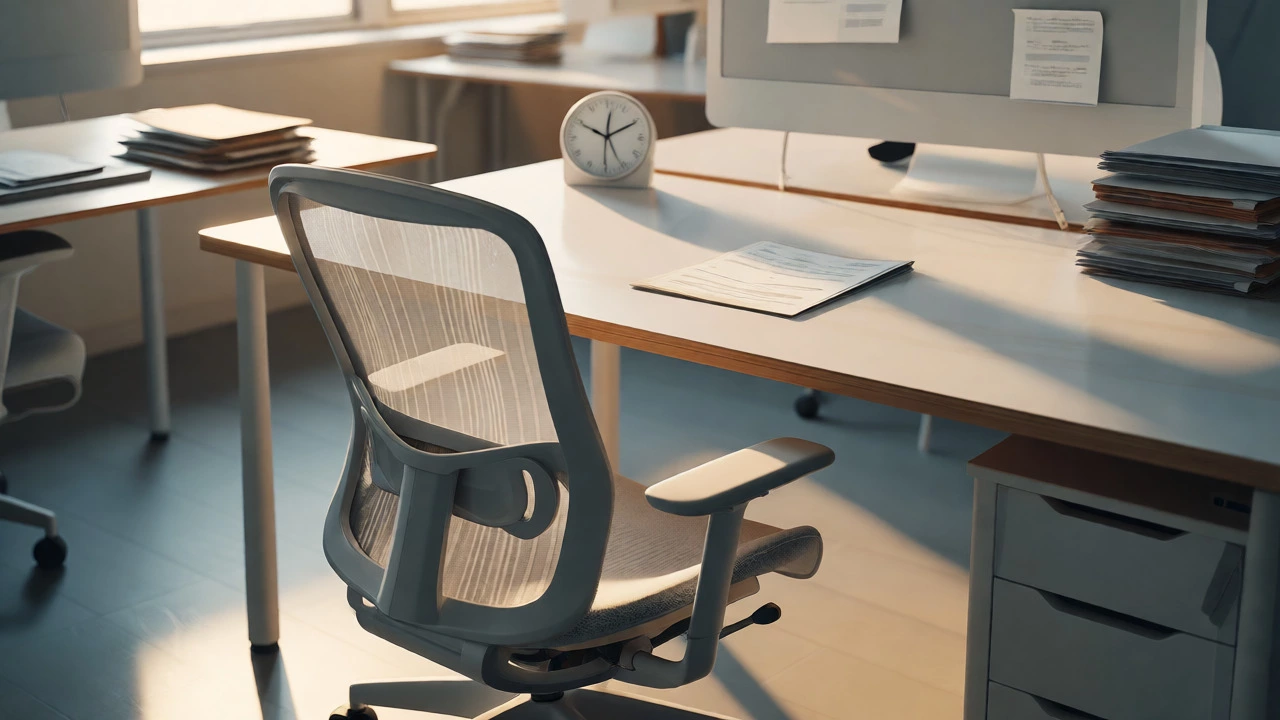
For these groups, the goal is comfort without complacency. You want a chair that supports good posture but doesn't feel like a hospital bed. Look for breathable mesh backs. Heat buildup can increase irritability and reduce focus. If you are sitting in a leather chair that sticks to your back after twenty minutes, you are creating unnecessary friction.
- Key Feature: Breathability. Mesh materials keep you cool, reducing physical distractions.
- Pro Tip: Set a timer. Even mild ADHD benefits from external cues. Pair your chair setup with a Pomodoro timer.
Tier 3 & 4: The Restless Minds
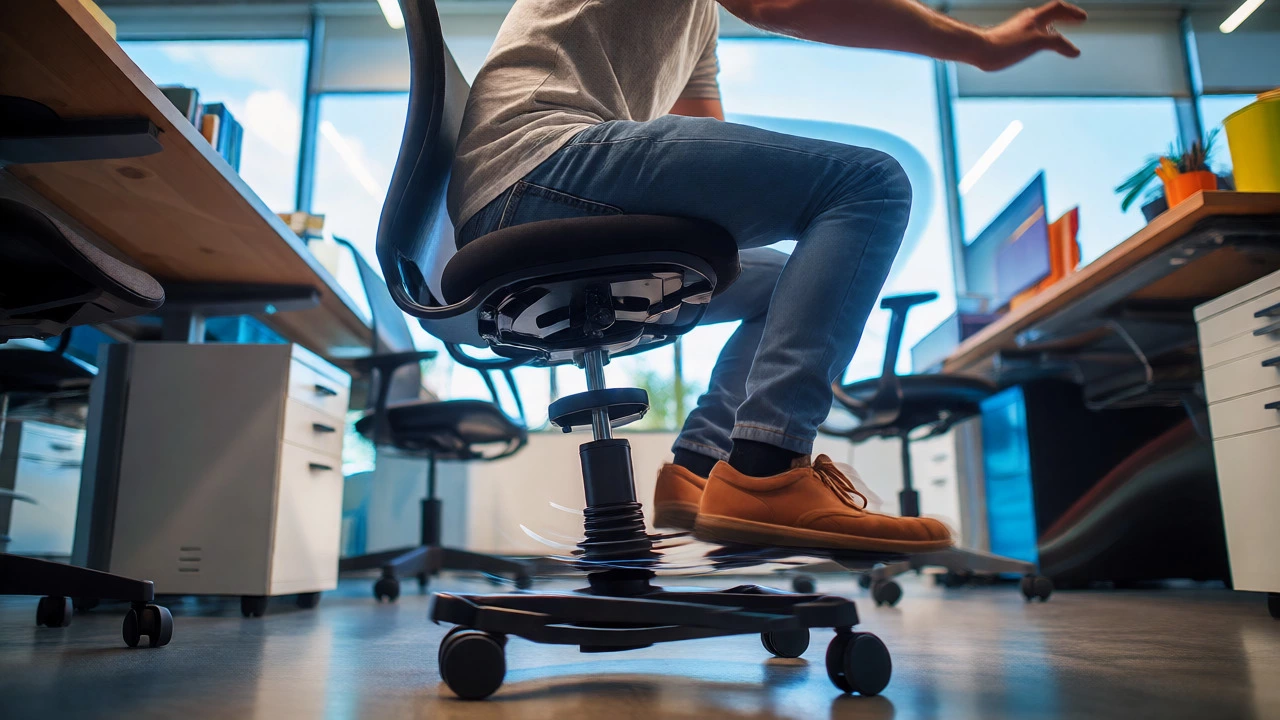
This is where the "Hyperactive-Impulsive" presentation often shows up. Sitting still feels physically painful. Your legs bounce, your hands tap, and your mind races. Standard office chairs are designed for static bodies. They fail you here. If you try to force yourself to sit perfectly still in a rigid chair, you will spend all your energy suppressing movement rather than doing work.
You need active seating. This includes saddle chairs, wobble stools, or task chairs with dynamic tilt mechanisms. These allow micro-movements. When your body moves slightly, your brain stays alert. It’s a trick used by occupational therapists for decades. A chair with a synchro-tilt mechanism lets your back recline while your knees stay relatively stable, keeping your blood flowing and your brain oxygenated.
If you find yourself standing up every ten minutes, don’t blame your discipline. Blame your furniture. Switch to a stool or a chair with a forward-tilt option. Forward tilt engages your core and prevents slouching, which naturally boosts alertness.
Tier 5: Sensory Overload and Complex Needs
At the highest level of impairment, often involving comorbidities like autism or severe anxiety, the environment is everything. Open-plan offices are torture chambers for Tier 5 individuals. The visual clutter, the noise, and the lack of boundaries trigger fight-or-flight responses.
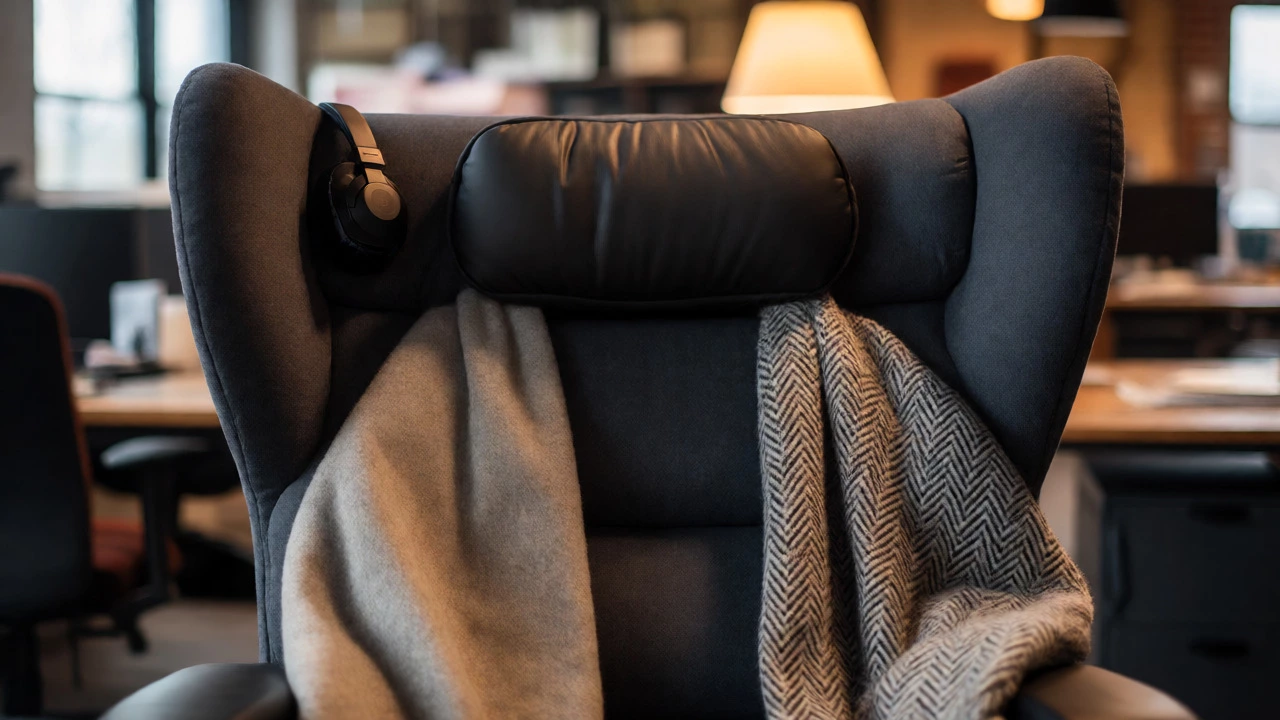
For these users, the chair must provide a sense of enclosure and safety. High-back chairs with deep cushioning can create a "cocoon" effect. Some people prefer weighted blankets draped over their shoulders while seated, which adds proprioceptive input that calms the nervous system. If you cannot control the office layout, control your immediate bubble. Use noise-canceling headphones and choose a chair that feels substantial and secure, not flimsy.
Consider the texture of the fabric. Scratchy synthetic blends can be intolerable. Soft, natural fabrics like cotton or wool blends might make the difference between staying focused and fleeing the room. It sounds minor, but when your sensory threshold is low, it’s major.
How to Choose the Right Chair for Your ADHD Profile
Selecting furniture isn't just about aesthetics; it's about matching your neurological profile. Here is a quick decision tree to help you pick.
- Do you fidget constantly? If yes, prioritize mobility. Look for 360-degree swivels, easy-roll casters, and adjustable armrests that let you lean and move freely. Avoid fixed-arm chairs.
- Do you zone out and slump? If yes, prioritize structure. Look for firm lumbar support and a seat pan that encourages an upright spine. Memory foam might be too soft; you want resistance.
- Are you sensitive to heat? Choose mesh. Fabric traps heat, which increases agitation.
- Do you feel unsafe in open spaces? Choose a high-back chair with side wings or a headrest that blocks peripheral vision slightly, helping you tunnel-vision onto your screen.
Remember, there is no "best" chair. There is only the best chair for your brain. Test them if you can. Sit for at least fifteen minutes. Do you notice any points of pain? Does your weight shift uncomfortably? Your body knows what it needs before your conscious mind does.
Beyond the Chair: Holistic Workspace Adjustments
Your chair is just one piece of the puzzle. To truly support higher levels of ADHD, look at the whole ecosystem. Lighting plays a huge role. Fluorescent flicker, invisible to many, causes headaches and fatigue in sensitive individuals. Switch to warm LED lighting. Keep your desk surface minimal. Visual clutter competes for attention. If you have papers scattered everywhere, your brain sees them as tasks, draining your dopamine.
Also, consider standing desks. Alternating between sitting and standing breaks the monotony. It gives your brain a reset button. Many people with ADHD find that they can focus intensely while standing, then crash when they sit. Using a sit-stand converter with a high-quality stool allows you to ride that wave of energy without burning out.
Frequently Asked Questions
Is there really such a thing as Level 5 ADHD?
No, the DSM-5 does not recognize five levels of ADHD. It recognizes three presentations and three severity specifiers (mild, moderate, severe). The concept of five levels is largely a pop-psychology framework used to describe varying degrees of functional impairment and coping strategies.
Can an office chair improve my ADHD symptoms?
While a chair won't cure ADHD, it can significantly reduce secondary distractions. Physical discomfort, poor posture, and sensory irritation consume cognitive resources. By removing these barriers, an ergonomic chair frees up mental bandwidth for focus and task completion.
What type of chair is best for hyperactive ADHD?
Active seating options like saddle chairs, wobble stools, or task chairs with dynamic tilt mechanisms are often best. They allow for micro-movements, which help satisfy the need for stimulation without disrupting work flow.
Why do I feel restless in standard office chairs?
Standard chairs are designed for static posture. ADHD brains often require proprioceptive input to maintain alertness. A static chair denies this input, leading to restlessness as your body seeks movement to stimulate the nervous system.
Should I buy a weighted blanket for my office chair?
If you have sensory processing sensitivities or anxiety alongside ADHD, a lightweight weighted lap pad or blanket can provide calming deep-pressure touch. Test it first to ensure it doesn't cause overheating or restrict necessary movement.
Final Thoughts on Navigating ADHD and Ergonomics
Understanding the informal "levels" of ADHD helps you stop blaming yourself for struggling with things that should be easy. If you are at a higher tier of impairment, you aren't lazy; you are fighting a different battle. Equip yourself accordingly. Invest in a chair that respects your need for movement or stability, whichever applies to you. Small environmental tweaks yield massive returns in productivity and peace of mind.