Ikea Chair Safety & Ergonomics Estimator
Analysis Result
Enter your details above to see the safety assessment.
You sit in that chair for eight hours a day. You lean back, you spin around, and sometimes you even stand up on the base to reach something high. It’s only natural to wonder: is this piece of furniture actually going to hold me? The question Are Ikea office chairs safe? pops up constantly in forums and living rooms. With so many budget-friendly options flooding the market, skepticism is healthy. But does the low price tag mean cutting corners on structural integrity?
The short answer is yes, they are generally very safe. In fact, many popular models like the Markus or the Järvfjället have earned a reputation for being tank-like in their durability. However, "safe" isn't just about whether the chair collapses under your weight. It involves chemical safety, ergonomic support, and long-term mechanical reliability. Let’s break down exactly what goes into these chairs, where the risks lie, and how to keep your workspace secure.
The Engineering Behind the Price Tag
Ikea doesn’t build cheap chairs; they build efficient ones. To understand why an office chair from the Swedish retailer feels sturdy despite costing a fraction of Herman Miller or Steelcase, you have to look at the engineering philosophy. They use standardized components across thousands of products. This means the gas lift cylinder in a $100 chair often shares the same core technology as one in a $500 model.
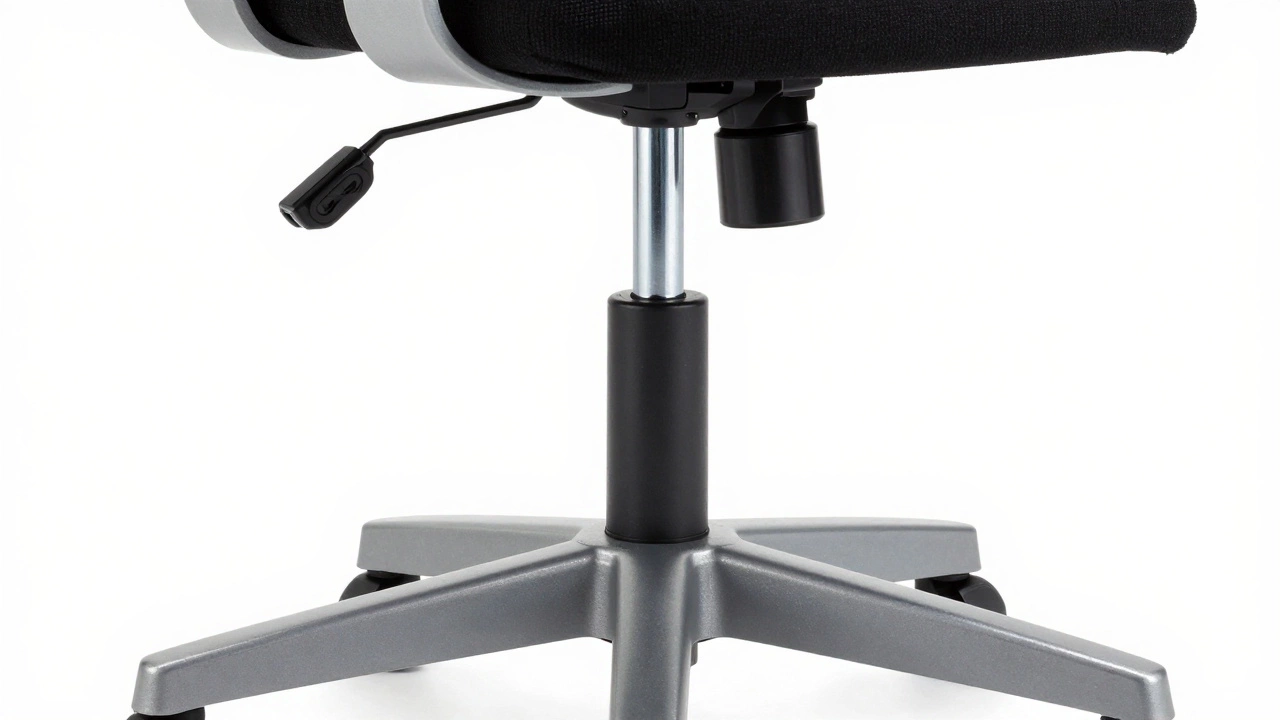
Most Ikea office chairs feature a five-star base made from molded polypropylene or steel. These bases are designed to distribute weight evenly. If you weigh 200 pounds, that load isn’t concentrated on one point; it’s spread across five legs. The central column connects to a gas pressure mechanism (the pneumatic cylinder) that controls height. This cylinder is sealed and pressurized with nitrogen, not air, which makes it inert and stable.
Why do people worry about gas lifts exploding?
The fear comes from old, poorly manufactured cylinders using compressed air, which could theoretically burst if overheated or damaged. Modern office chairs, including those from major retailers like Ikea, use nitrogen-filled cylinders that are rigorously tested. While catastrophic failure is extremely rare, any sudden dropping of the seat while sitting should be addressed immediately by replacing the cylinder.
Safety Standards and Certifications
When you buy an office chair, you aren’t just buying plastic and fabric. You are buying compliance with international safety standards. Ikea adheres to strict regulations depending on where you live. In Europe, they follow EN 1335 standards for seating. In North America, they comply with BIFMA (Business and Institutional Furniture Manufacturers Association) standards.
BIFMA testing is brutal. It involves:
- Cyclic Loading: Simulating years of sitting, standing, and swiveling in a matter of days.
- Tilt Stability: Ensuring the chair doesn’t tip backward when you lean back fully.
- Gas Lift Durability: Testing the cylinder through tens of thousands of cycles without leaking or failing.
If a chair passes these tests, it is legally considered safe for commercial use. Ikea publishes detailed sustainability reports and product test results online, showing that their office furniture consistently meets or exceeds these benchmarks. For example, the popular Markus chair has been on the market since 1978 and has undergone multiple design iterations to improve safety and comfort, proving its longevity isn’t accidental.
Chemical Safety: What Are You Breathing?
Safety isn’t just physical; it’s chemical. Many cheap office chairs off-gas volatile organic compounds (VOCs) from foams, glues, and synthetic fabrics. This can lead to headaches or respiratory irritation, especially in small home offices with poor ventilation.
Ikea has taken significant steps here. Most of their office chairs now carry the OEKO-TEX® Standard 100 certification. This label guarantees that every component-from the foam padding to the stitching thread-has been tested for harmful substances. The foam used in seats and backs is often high-resilience polyurethane that is free from formaldehyde and other known carcinogens.
If you are sensitive to smells, the first few days after unboxing might still present a "new furniture" odor. This is usually due to packaging materials rather than the chair itself. Opening windows and airing out the chair for 24-48 hours typically resolves this. Avoid placing brand-new chairs in tightly sealed rooms overnight.
Ergonomic Risks: When Comfort Becomes Danger
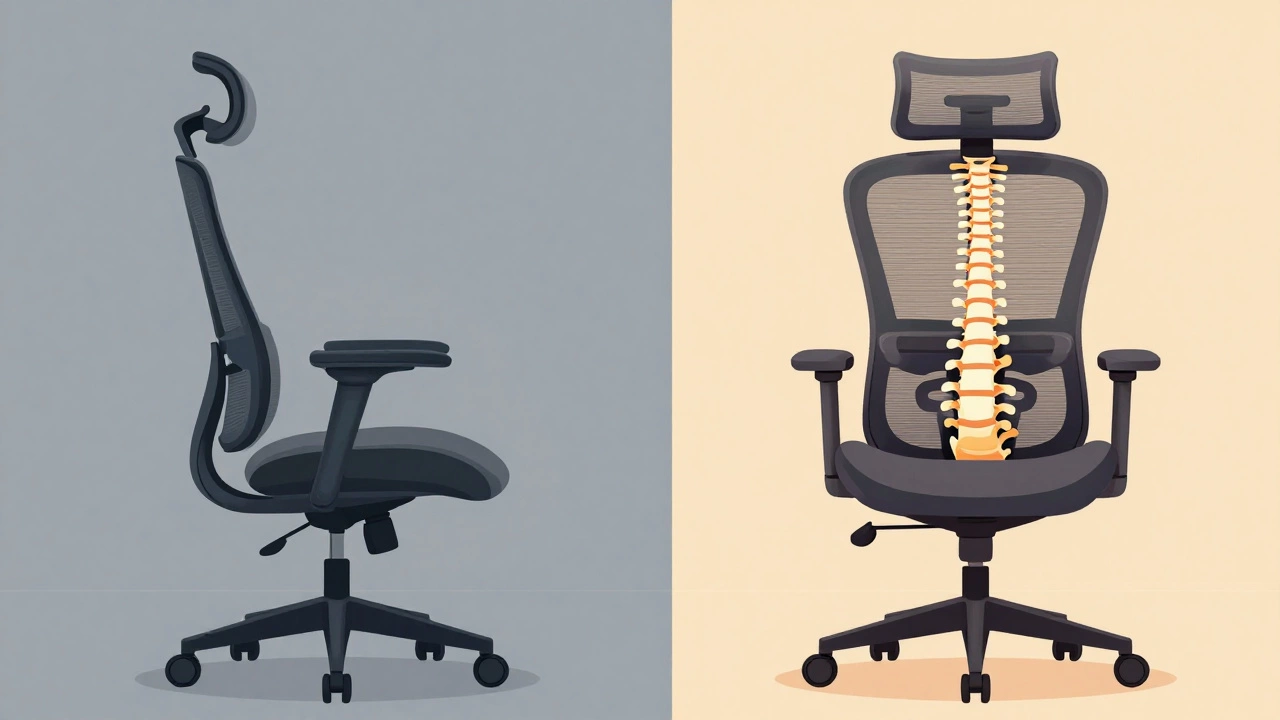
A chair can be structurally sound but still unsafe for your body if it lacks proper ergonomic support. Poor posture over time leads to chronic back pain, neck strain, and even nerve damage. This is a slow-moving safety hazard that many people ignore until it’s too late.
Not all Ikea chairs are created equal when it comes to ergonomics. Entry-level models like the Rödekull are basic task chairs with limited adjustability. They lack lumbar support and tilt tension control. Using such a chair for more than two hours a day can compromise spinal alignment.
In contrast, higher-end models like the Järvfjället offer synchronized tilt mechanisms, adjustable lumbar support, and headrests. These features actively engage your muscles and maintain neutral spine positions. The key is matching the chair to your usage pattern. If you game or work for 6+ hours daily, a basic chair becomes a health risk regardless of its structural safety.
Common Failure Points and How to Spot Them
Even the safest chairs can fail if misused or neglected. Here are the most common issues reported by users and how to prevent them:
- Wobbly Base: Over time, the connection between the star base and the gas lift can loosen. Check the metal sleeve regularly. If it wiggles, tighten it with a wrench or replace the entire base assembly.
- Fabric Pilling: Mesh and fabric seats degrade with friction. While not a safety issue per se, torn fabric can expose sharp edges underneath. Inspect seams monthly.
- Armrest Detachment: Some older models had plastic armrest mounts that cracked under heavy leaning. Newer designs use reinforced aluminum or thicker plastic. Test armrest stability by applying gentle downward pressure before relying on them fully.
- Tilt Mechanism Slippage: If the chair slowly sinks or tilts uncontrollably, the gas cylinder may be failing. Stop using it immediately and contact customer service for a replacement part.
Maintenance Tips for Long-Term Safety
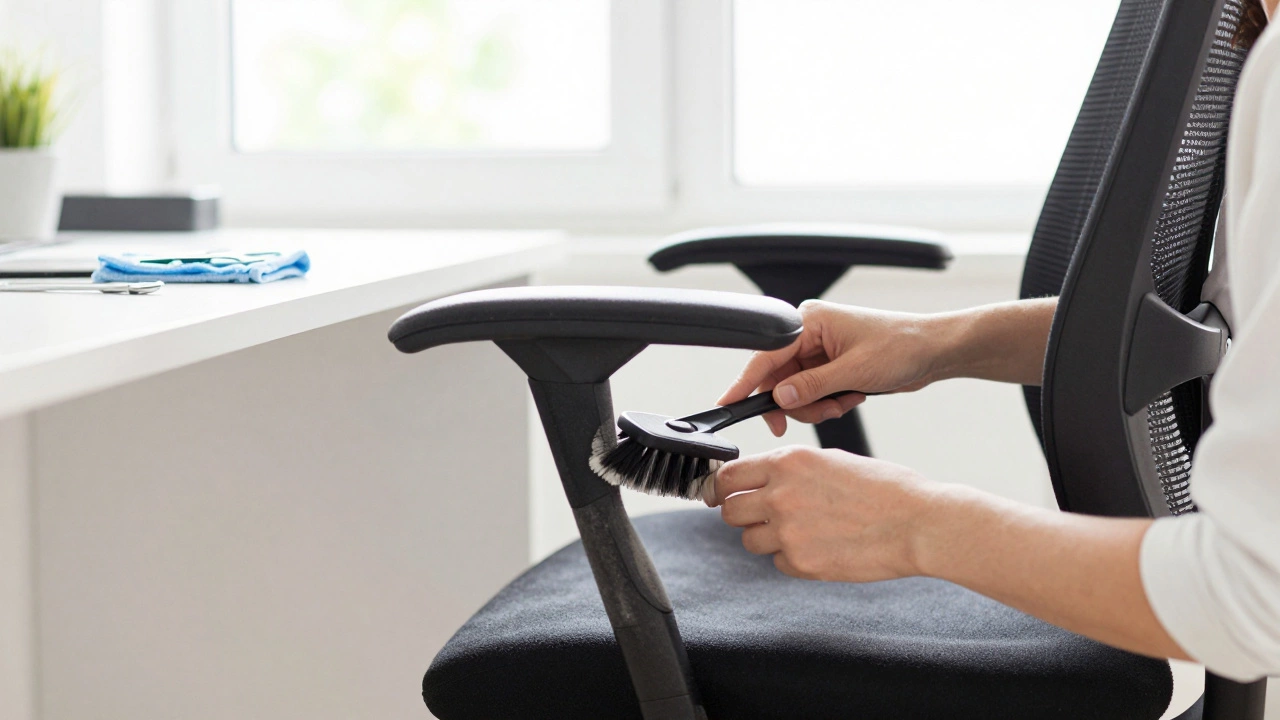
Keeping your chair safe is largely about maintenance. Dust and debris get trapped in moving parts, accelerating wear. Here’s a simple routine:
- Monthly: Vacuum around the base and wheels to remove hair and dust bunnies that jam casters.
- Quarterly: Wipe down the frame with a damp cloth. Use mild soap for stubborn stains on fabric. Never use harsh chemicals like bleach.
- Annually: Check all screws and bolts. Tighten any loose connections. Lubricate pivot points with silicone spray if movement feels stiff.
- As Needed: Replace worn caster wheels. Hard floors require soft-wheel casters to prevent scratches; carpets need hard-wheel casters for easy rolling. Using the wrong type increases tripping hazards.
Comparing Popular Models
| Model | Best For | Safety Features | Weight Limit |
|---|---|---|---|
| Markus | Long-hour workers | High mesh back, fixed armrests | 330 lbs |
| Järvfjället | Ergonomics enthusiasts | Adjustable lumbar, headrest, sync tilt | 243 lbs |
| Lisa | Small spaces/students | Compact design, basic tilt | 243 lbs |
| Rödekull | Occasional use | Basic structure, no lumbar | 243 lbs |
Recalls and Incident History
No company is immune to recalls. Ikea has issued voluntary recalls for various products over the years, primarily related to tipping hazards in dressers or sharp edges in children’s furniture. However, office chair-specific recalls are exceedingly rare. When they do happen, Ikea acts quickly, notifying customers via email and website banners.
To stay informed, register your purchase on the Ikea website. This ensures you receive direct notifications if any safety updates apply to your specific model. You can also check the Consumer Product Safety Commission (CPSC) database in the US or equivalent bodies in other countries for historical data.
Final Verdict: Is It Worth the Risk?
The evidence suggests that Ikea office chairs are among the safer options in the mid-range market. They combine rigorous testing standards, chemical safety certifications, and robust engineering. The real danger lies not in the chair itself, but in mismatched expectations. Buying a basic chair for heavy-duty use or ignoring maintenance will create problems faster than any manufacturing defect.
If you prioritize safety, choose models with adjustable features and certified materials. Follow the maintenance schedule outlined above. And always listen to your body-if a chair causes discomfort, it’s not right for you, regardless of its safety rating.
Do Ikea office chairs expire?
While there is no official expiration date, components like gas lifts and foam cushions degrade over time. Most manufacturers recommend replacing office chairs every 7-10 years for optimal safety and comfort. Signs of aging include sagging seats, noisy joints, and reduced support.
Can I repair my Ikea chair myself?
Yes, many parts are user-replaceable. Ikea sells individual components like armrests, casters, and even gas lifts for popular models. Simple repairs like tightening screws or swapping wheels can extend the life of your chair significantly. Complex internal mechanism repairs should be left to professionals or handled by purchasing a new unit.
Are Ikea chairs suitable for heavy individuals?
Many Ikea chairs, particularly the Markus, are rated for up to 330 lbs (150 kg). Always check the specific weight limit listed on the product page. Exceeding this limit compromises safety and voids the warranty. For heavier users, consider industrial-grade chairs specifically designed for bariatric support.
How do I know if my chair is recalled?
Register your product on the Ikea website using the receipt number or serial code found on the chair. You will receive automatic alerts. Additionally, visit the CPSC.gov website (US) or your local consumer protection agency’s site to search for active recalls by brand name.
Is the foam in Ikea chairs toxic?
No. Ikea uses high-resilience polyurethane foam that complies with OEKO-TEX® standards, meaning it is free from harmful levels of VOCs, formaldehyde, and other toxins. The initial smell is usually from packaging, not the foam itself, and dissipates quickly with ventilation.