Sofa Color Visualizer for White Walls
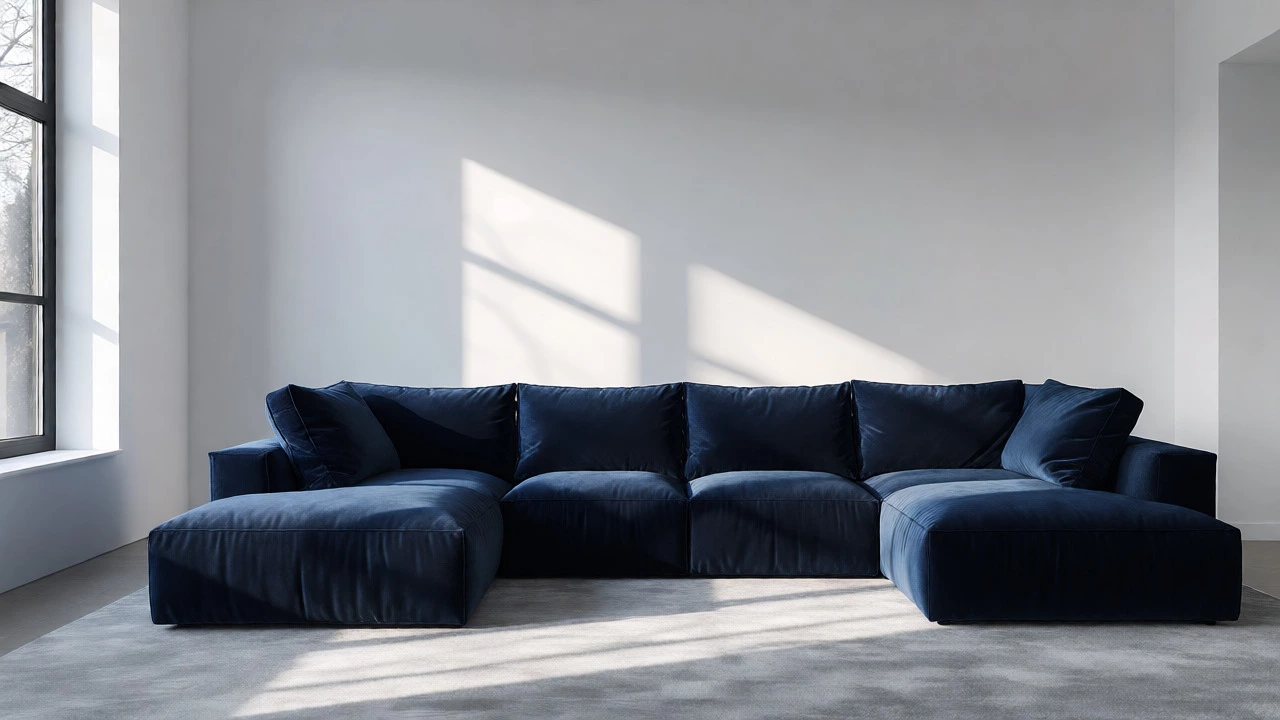
Select a sofa color below to see how it interacts with a standard white-walled room environment. Learn about the visual effect, best use cases, and maintenance requirements.
Visual representation of contrast levels
Navy Blue
High contrast, sophisticated, grounding
Living rooms, formal lounges
Medium (shows lint/dust)
You walk into a room with stark white walls and you feel it immediately: the space is clean, bright, and completely empty of personality. It’s a blank canvas, sure, but it can also feel clinical if you don’t know how to fill it. The biggest question most homeowners face isn't just "what furniture do I buy," but specifically, what color sofa goes with white walls? This isn't just about aesthetics; it's about defining the mood of your home without making it look like a dentist's waiting room or a sterile hotel lobby.
If you're considering a corner sofa (also known as an L-shaped sectional), the stakes are even higher. Because these pieces take up significant floor space and visual real estate, choosing the wrong hue can make a room feel cramped or disjointed. But get it right, and that same sofa becomes the anchor that holds the entire design together. Here is how to navigate the spectrum from bold to neutral, keeping in mind light, texture, and practicality.
The Psychology of Contrast and Harmony
White walls reflect light. That is their superpower. They bounce sunlight around the room, making small spaces feel larger and dark corners feel airy. But because they reflect everything, they also highlight whatever sits against them. If you place a grey sofa in a shade too similar to the wall, you risk creating a monochromatic blur where the furniture disappears into the background. On the other hand, a high-contrast choice creates immediate focal points.
Think about the function of the room. Is this a cozy family den where you want warmth? Or a sleek, modern lounge for entertaining guests? For a cozy vibe, warm tones like terracotta, mustard, or deep olive work beautifully against cool white. These colors absorb some light, creating pockets of intimacy. For a modern, crisp look, you might lean into cooler tones like navy blue, charcoal, or even black. The key is intentionality. You aren't just picking a color you like; you are manipulating how the eye travels through the space.
| Sofa Color | Visual Effect | Best Room Type | Maintenance Level |
|---|---|---|---|
| Navy Blue | High contrast, sophisticated, grounding | Living rooms, formal lounges | Medium (shows lint/dust) |
| Charcoal Grey | Modern, sleek, minimizes visual clutter | Minimalist homes, offices | Low (hides stains well) |
| Mustard Yellow | Vibrant, energetic, retro-modern | Creative studios, casual dens | High (shows dirt easily) |
| Forest Green | Natural, calming, biophilic design | Relaxation zones, sunrooms | Medium |
| Beige/Cream | Soft contrast, expansive, airy | Small apartments, coastal styles | Very High (stains visible) |
Why Corner Sofas Change the Equation
A standard two-seater allows you to be experimental. A large L-shaped sectional demands commitment. When you cover a significant portion of the floor plan with one solid block of color, that color dominates the room's palette. If you choose a loud pattern or a neon hue, it can overwhelm a white-walled room, leaving nowhere for the eye to rest.
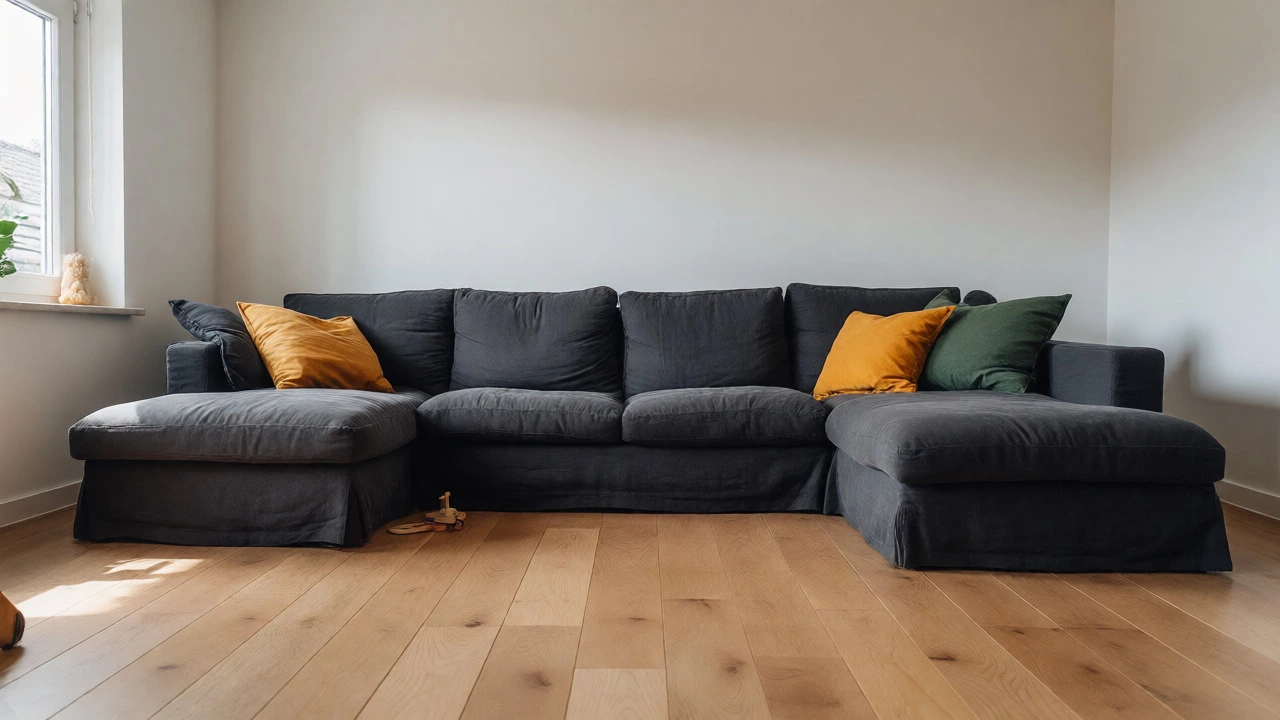
This is why neutrals or deep, saturated solids often win with corner sofas. A deep emerald green velvet corner sofa against white walls feels luxurious and deliberate. It draws attention without screaming for it. Conversely, a pale pink linen sectional might wash out unless you have strong accent lighting or colorful rugs to break it up. Consider the size of your room. In smaller Auckland apartments, a dark-colored corner sofa can actually make the space feel cozier and more defined, preventing the "floating" effect that light furniture sometimes has in bright rooms.
Texture Matters More Than Hue Sometimes
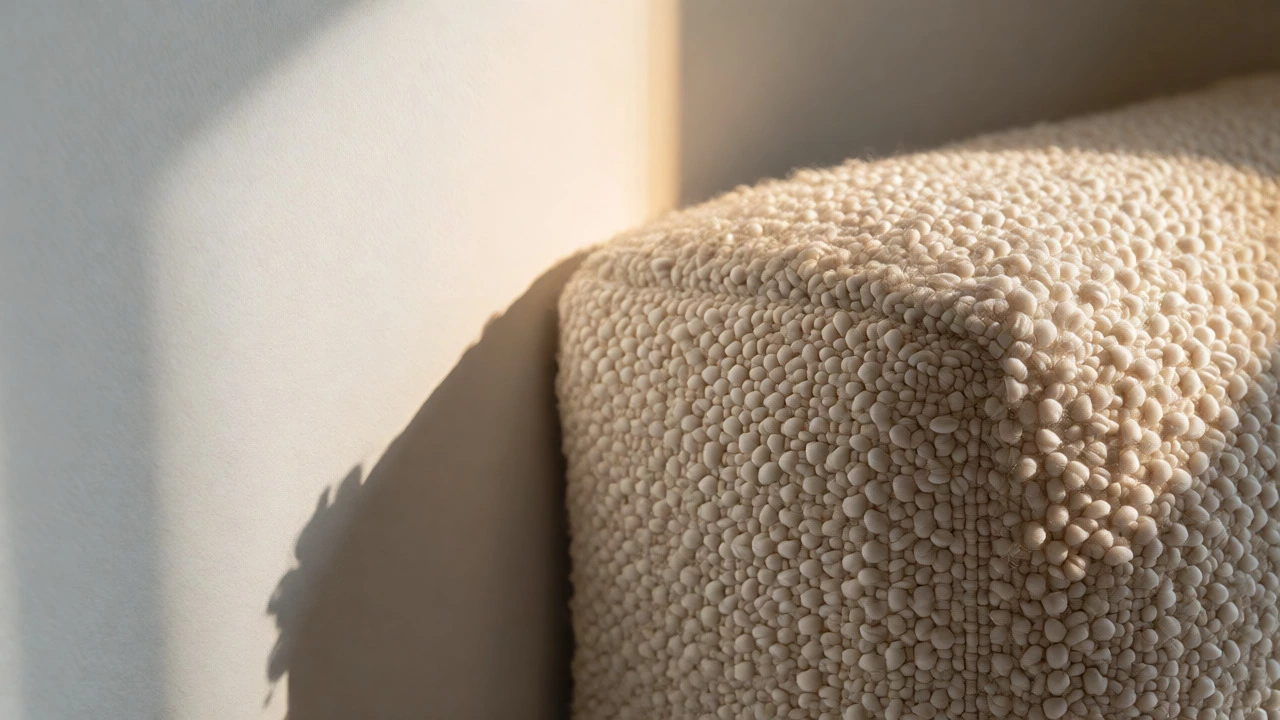
Here is a secret interior designers use: when you are stuck between two colors, switch the texture. White walls are smooth and flat. If you pair them with a shiny leather sofa, the result can feel cold and industrial. But if you pair those same white walls with a chunky knit fabric, boucle, or velvet, you introduce tactile interest. The brain perceives depth through shadow and texture, not just color.
For example, a bouclé sofa in a cream or oatmeal tone adds physical dimension to a white room. Even though the color value is close to the wall, the bumps and loops of the fabric catch the light differently than the paint. This prevents the "flat" look. If you prefer darker colors, consider matte finishes over glossy ones. Matte fabrics absorb light, creating soft shadows that add richness to the space. Glossy surfaces reflect the white walls directly, which can sometimes create harsh glare during sunny afternoons.
Lighting Conditions Are Your Best Friend (or Enemy)
Paint colors change depending on the time of day and the direction of your windows. This is crucial in New Zealand, where we get intense UV exposure. North-facing rooms receive consistent, warm natural light throughout the day. South-facing rooms get cooler, bluer light. East-facing rooms get bright morning sun, while West-facing rooms get intense afternoon heat.
- North-Facing Rooms: Warm tones like rust, burnt orange, or warm grey will balance the cool white light. Avoid icy blues or stark whites, which can feel chilly.
- South-Facing Rooms: You can handle almost any color here. Cool tones like sage green or slate blue will look crisp and refreshing. Darker shades won't feel gloomy because of the abundant light.
- East/West-Facing Rooms: Be cautious with highly saturated colors. Intense direct sunlight can fade certain dyes over time. Neutral tones with rich textures are safer bets here.
Always test your sofa choice under different lighting conditions. Ask for fabric swatches. Place them against your actual wall color (not just a generic 'white' sample) at 9 AM, 3 PM, and under artificial lights at night. What looks perfect in the showroom might look muddy or washed out in your living room.
Balancing the Rest of the Room
Your sofa doesn't exist in a vacuum. The color you choose dictates what else works in the space. If you go with a bold red sofa, your throw pillows, rug, and artwork should likely stick to neutrals-whites, greys, blacks-to let the sofa shine. If you choose a neutral beige sofa, you have license to go wild with accessories. Add a teal rug, gold lamps, or vibrant art prints.
Consider the flooring too. Hardwood floors add warmth, so a cool-toned sofa (like blue or grey) creates a pleasing temperature balance. Carpeted floors, especially in neutral tones, might need a pop of color from the sofa to avoid looking beige-on-beige. Remember the rule of thirds: aim for roughly 60% dominant color (walls/floor), 30% secondary color (sofa/large furniture), and 10% accent color (accessories). This ratio keeps the room balanced regardless of your specific color choices.
Practical Tips for Long-Term Satisfaction
Before you commit, think about lifestyle. Do you have pets? Kids? A white or cream sofa looks stunning against white walls, but one coffee spill or muddy paw print ruins the aesthetic instantly. Darker colors like charcoal, navy, or forest green hide wear and tear better. If you love light colors but have a messy household, look for performance fabrics treated with stain-resistant technology. Brands now offer durable linens and cotton blends that repel liquids, making light colors viable again.
Also, consider resale value and longevity. Trendy colors like millennial pink or ultra-violet might date quickly. Classic colors like navy, grey, tan, and black remain stylish across decades. If you rent or plan to move soon, a versatile neutral sofa is easier to match with new surroundings later. If you own your home and plan to stay, you can afford to take more risks with personal expression.
Does a white sofa look good with white walls?
Yes, but it requires careful textural contrast to avoid looking flat. Use a white sofa with distinct textures like bouclé, velvet, or nubby linen to separate it from the smooth wall surface. Adding colorful cushions or a rug helps define the seating area.
What is the safest sofa color for white walls?
Grey and navy blue are widely considered the safest options. They provide enough contrast to stand out against white walls without clashing with most other decor elements. Charcoal grey offers a modern look, while navy adds sophistication.
How do I make a dark sofa look less heavy in a white room?
Use light-colored throw pillows, a light rug underneath, or metallic accents like gold or silver lamps. Keeping the legs of the sofa exposed (rather than skirted) also helps lift the piece visually, reducing its perceived weight.
Should my sofa match my curtains?
Not necessarily. Matching sets can look dated. Instead, coordinate them. If your sofa is navy, perhaps your curtains are a lighter blue or a neutral pattern containing navy threads. Complementary colors create a more dynamic and custom look.
Are corner sofas suitable for small rooms?
Yes, if placed correctly. A corner sofa utilizes dead corner space efficiently, freeing up the center of the room for walking paths. Choose a compact model with slim arms to maximize seating without overwhelming the footprint.