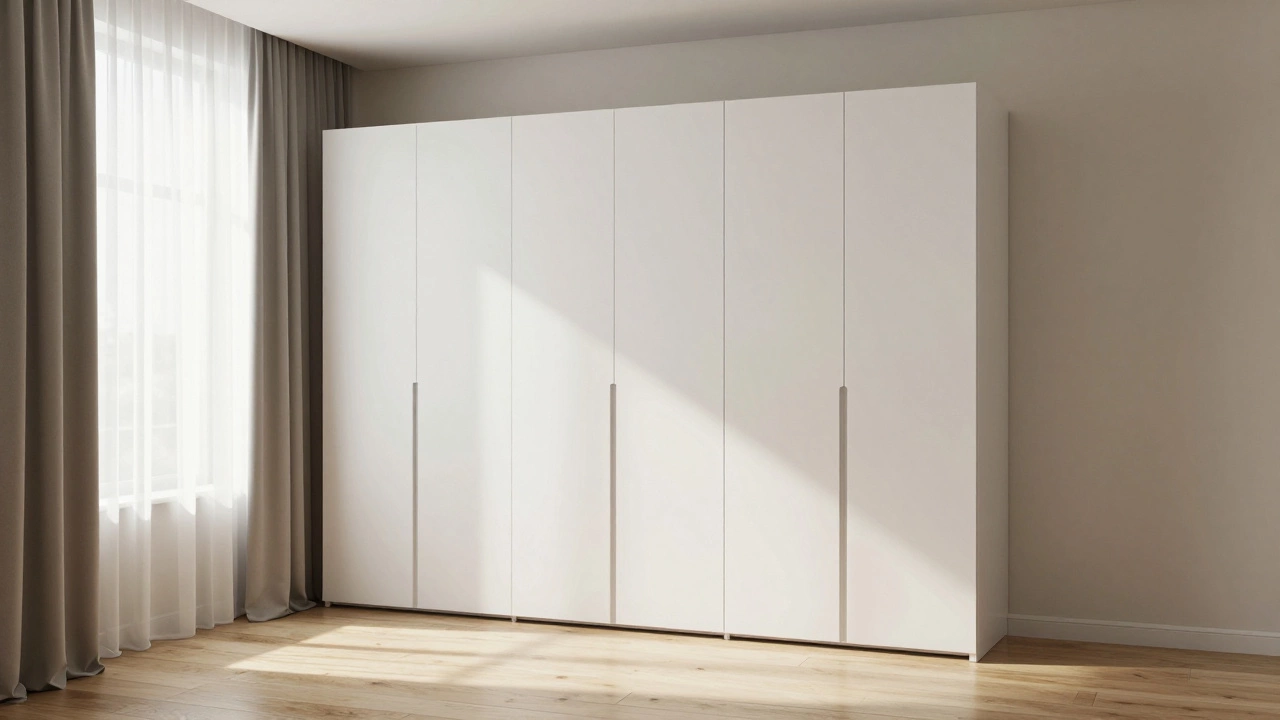
Wardrobe Budget Planner
Answer these questions to find the perfect price range for your new wardrobe.
Recommended Budget Range
- Base Wardrobe Cost $0
- Style/Material Upgrade +$0
- Professional Assembly +$0
Walking into a furniture store or scrolling through online listings can feel like walking into a maze of numbers. You see a sleek, floor-to-ceiling unit for $800 and another that looks almost identical for $2,500. Which one are you supposed to pick? More importantly, how much money should you actually put aside before you start looking?
The short answer is that a "good" budget depends entirely on what kind of wardrobe you need, where you live, and how long you plan to keep it. But if you want a concrete starting point, here is the reality: most people in New Zealand spend between $600 and $1,500 for a standard double-door wardrobe that lasts more than five years. Anything less often means compromises in durability, while anything more usually pays for premium materials or custom sizing.
Breaking Down the Price Tiers
To figure out your specific budget, it helps to look at the three main price brackets. Each tier offers different benefits, and knowing where you fit will stop you from overspending on features you don’t need or underspending on quality you’ll regret.
| Budget Range (NZD) | Typical Materials | Best For | Lifespan Expectation |
|---|---|---|---|
| $300 - $700 | MDF, particle board, thin veneers | Renters, students, temporary setups | 3-5 years |
| $700 - $1,500 | Solid wood frames, thicker MDF, better hardware | Homeowners, medium-term use | 5-10+ years |
| $1,500+ | Solid hardwoods, soft-close mechanisms, custom designs | Long-term investment, luxury finishes | 10-20+ years |
If you are renting an apartment in Auckland CBD or living with roommates, the lower end might make sense. You likely won't be moving heavy furniture every few years, so portability and low upfront cost matter more than heirloom quality. However, if you own your home or plan to stay in one place for a decade, spending in the mid-range ensures the doors don’t sag and the shelves don’t warp under the weight of winter coats.
Factors That Drive Up the Cost
Why does one wardrobe cost twice as much as another? It isn’t just about brand names. Several physical factors dictate the final price tag.
- Material Quality: Particle board is cheap but sensitive to moisture. In humid climates like parts of Northland or during damp Auckland winters, cheaper boards can swell. Solid timber or high-density fiberboard (HDF) resists this better, costing more initially but saving money on replacements.
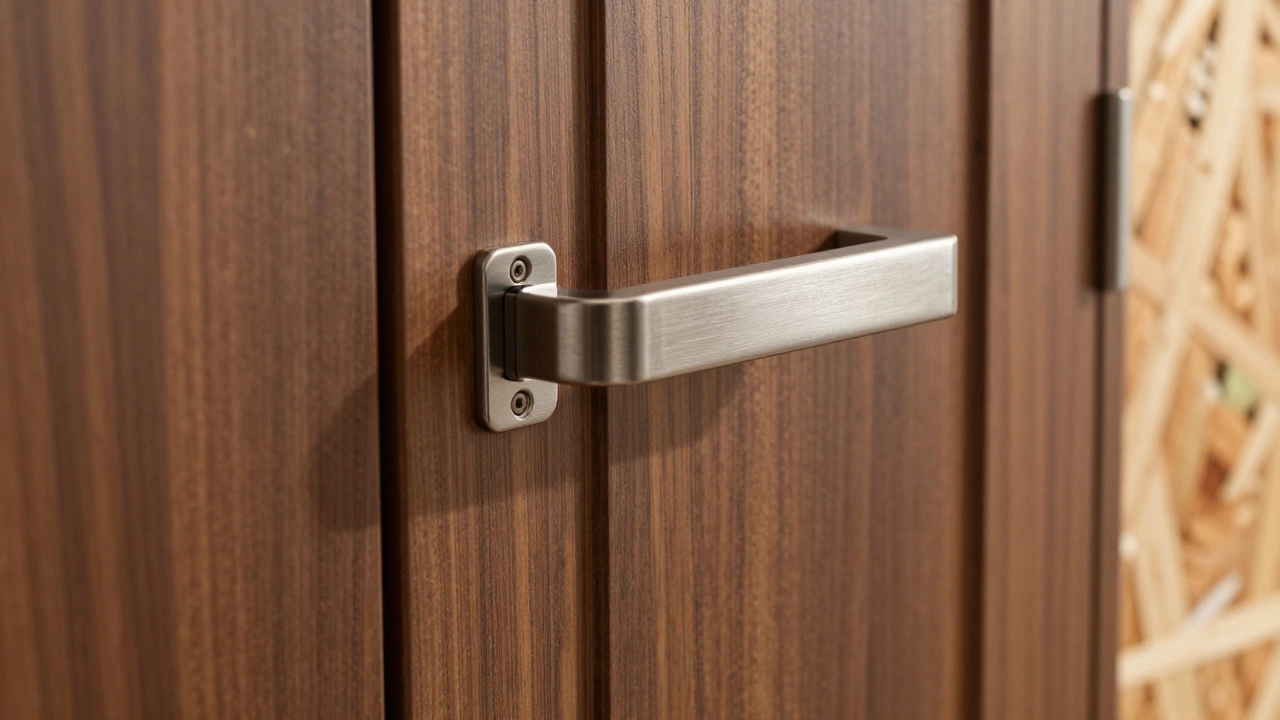
- Hardware: The hinges, slides, and handles are the moving parts. Cheap metal hinges squeak and break. Look for terms like "soft-close" or "ball-bearing slides." These small upgrades add $50-$150 to the cost but drastically improve daily usability.
- Size and Configuration: A single-door wardrobe is naturally cheaper than a double-door one. Sliding door wardrobes often cost more than hinged ones because the track mechanism is complex. Also, wider units require more material and structural support to prevent bowing.
- Assembly Requirements: Flat-pack furniture is cheaper because you do the labor. If you hire someone to assemble it, add $100-$200 to your budget. Pre-assembled options save time but carry a higher retail price.
Hidden Costs to Watch Out For
Your budget shouldn’t just cover the sticker price. There are hidden costs that catch many buyers off guard.
Delivery is the big one. Most major retailers in NZ charge extra for delivery unless you meet a high minimum spend. A free delivery threshold might be $1,000, meaning buying a $900 wardrobe could trigger a $99 delivery fee. Check if the retailer offers "threshold delivery" (leaving it at the curb) versus "room of choice" (bringing it inside). The latter is worth paying for if you have stairs or narrow hallways.
Then there’s installation. Even if you’re handy, assembling a large wardrobe alone is risky. You need two people to lift the carcass upright without cracking the panels. If you don’t have help, budget for a professional handyman. They can also level the unit properly, which prevents doors from misaligning over time.
Buying New vs. Second-Hand
In a tight economy, second-hand markets like Trade Me or local Facebook Marketplace groups offer incredible value. You can find solid oak wardrobes from the 1990s for half the price of new equivalents. The catch? You’re taking on the wear and tear.
When buying used, check the corners for water damage or termite activity-common issues in older Kiwi homes. Inspect the hinges and tracks. If they’re stripped, replacing them might cost as much as the savings you made. Generally, second-hand makes sense for solid wood pieces. Avoid used particle-board wardrobes; once the edges chip or the screws strip, they’re nearly impossible to repair.
Custom Built-In Options
If you have irregular wall spaces or want to maximize every inch of a bedroom, built-in wardrobes are the gold standard. They eliminate gaps behind the unit and can be tailored to your exact height and width needs.
However, these are not plug-and-play purchases. Prices vary wildly based on the carpenter and materials. Expect to pay $1,500-$3,000+ for a simple two-door built-in. This option requires planning early in your renovation or move-in process. It’s not a quick fix, but it adds property value and looks seamless.
How to Stretch Your Budget Without Sacrificing Quality
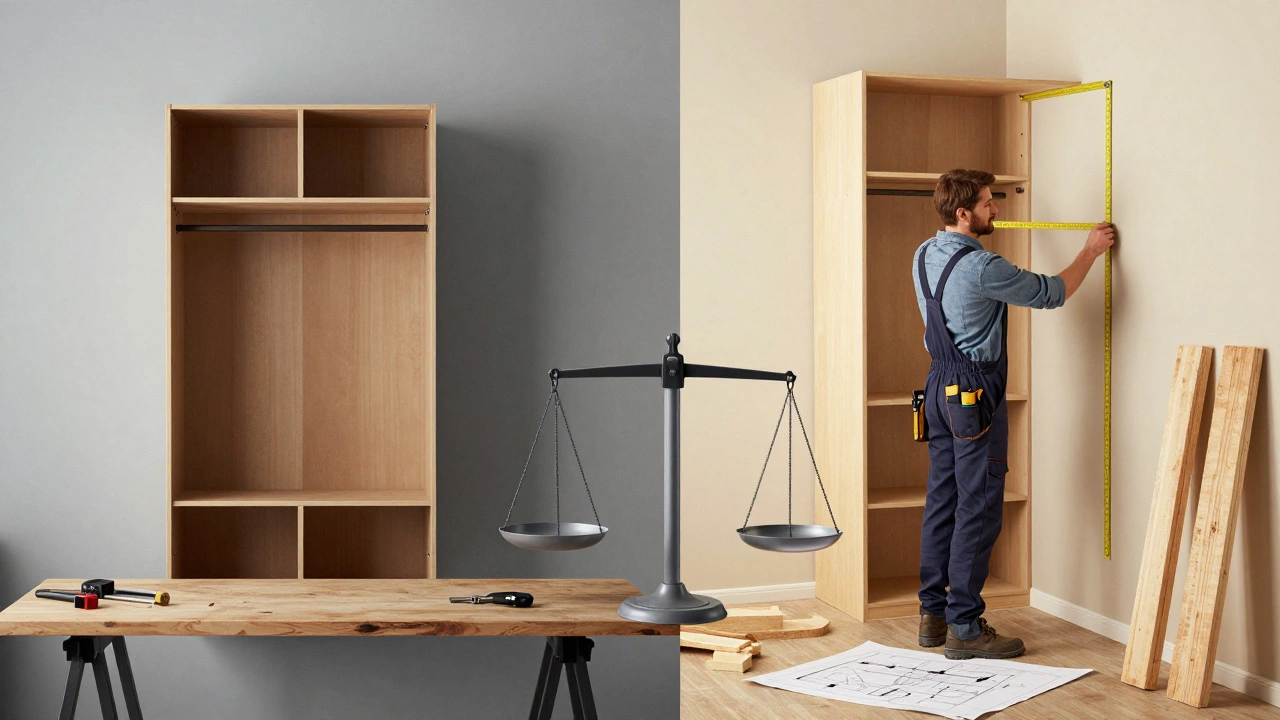
You don’t need to blow your entire savings on a wardrobe. Here are practical tips to get the best bang for your buck:
- Wait for Sales: End-of-financial-year sales (June/July) and Black Friday events often see discounts of 20-40% on furniture. Retailers clear stock to make room for new lines.
- Choose Standard Sizes: Custom sizes cost more. Stick to standard widths (e.g., 120cm, 150cm) and heights (e.g., 200cm) to access a wider range of affordable options.
- Prioritize Structure Over Style: A plain white or grey wardrobe with sturdy construction will outlast a trendy, flimsy decorative piece. You can always update handles or add interior organizers later.
- Check Return Policies: Ensure the retailer allows returns if the item arrives damaged. Shipping costs for returns can be prohibitive, so buy from places with reliable customer service.
Final Thoughts on Setting Your Limit
There is no single "right" number, but there is a right balance for your situation. Ask yourself: How long will I keep this? Do I have heavy clothing loads? Is my room prone to humidity? Answering these questions will guide you to the sweet spot between affordability and longevity.
For most households, aiming for the $800-$1,200 range strikes the best balance. You get durable materials, decent hardware, and enough style to fit your decor, without paying for luxury extras you may never use. Set your limit before you shop, stick to it, and remember that a good wardrobe is an investment in your daily comfort, not just a storage box.
Is a $500 wardrobe worth it?
A $500 wardrobe can be worth it if you are a renter, student, or need a temporary solution. At this price, expect particle board construction and basic hardware. It may last 3-5 years with careful use, but it lacks the durability for heavy loads or long-term ownership.
Do sliding door wardrobes cost more than hinged ones?
Yes, sliding door wardrobes typically cost 10-20% more than hinged models. The difference comes from the complex track system required for smooth operation. Hinged doors are simpler mechanically and easier to repair if a hinge breaks.
Should I buy a solid wood or MDF wardrobe?
Solid wood is more expensive but lasts decades and can be refinished. MDF (Medium Density Fiberboard) is cheaper and stable but cannot be repaired easily if damaged. Choose solid wood for long-term investments and MDF for budget-friendly, shorter-term needs.
Are built-in wardrobes more expensive than freestanding ones?
Yes, built-in wardrobes are significantly more expensive due to customization and labor costs. While a freestanding unit might cost $1,000, a comparable built-in could range from $1,500 to $3,000+. However, they offer better space utilization and can increase home resale value.
What is the best time to buy a wardrobe in New Zealand?
The best times to buy are during end-of-financial-year sales (June/July), Black Friday (November), and Boxing Day sales (December). Retailers often discount inventory by 20-40% during these periods to clear stock for new collections.