Queen Sleeper Sofa Space & Compatibility Checker
Enter your wall space measurements to determine if a queen sleeper sofa will fit comfortably in your room.
Result
Space Analysis
Recommendations
Size Comparison Reference
| Feature | Twin Sleeper | Full Sleeper | Queen Sleeper |
|---|---|---|---|
| Bed Width | 38-39 inches | 54 inches | 60 inches |
| Sofa Width | 70-80 inches | 80-90 inches | 85-95 inches |
| Best For | Small apartments | Budget-friendly | Couples, spacious rooms |
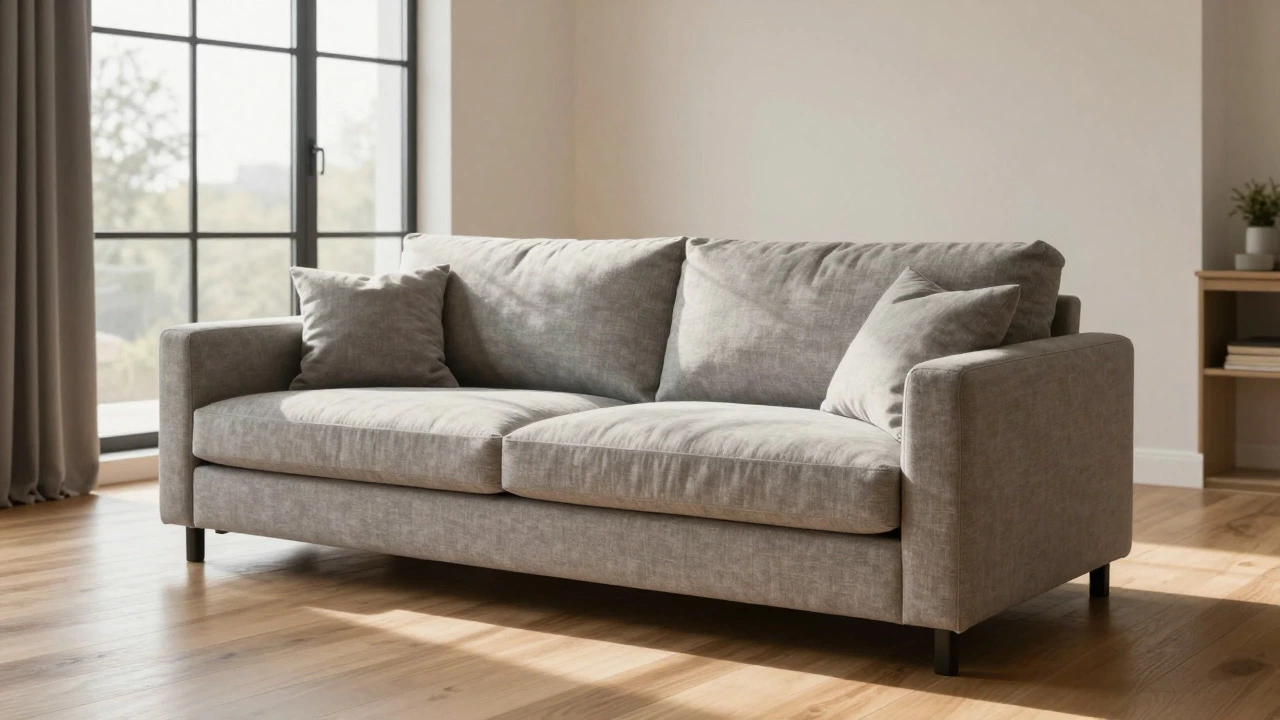
Picture this: You have guests coming over for the weekend. Your spare bedroom is currently serving as a home office or a storage closet. You need a place for them to sleep that doesn't feel like camping on the floor. This is where the queen sleeper sofa comes in. It is a piece of dual-purpose furniture that functions as a standard couch during the day and converts into a full-size queen bed at night.
If you are wondering whether this bulky hybrid actually works, you are not alone. Many people assume all sofa beds are uncomfortable twin-sized affairs with lumpy mattresses. The truth is different. A queen sleeper sofa offers a genuine sleeping experience, but it comes with specific dimensions, weight considerations, and mechanism types that you need to understand before buying.
Defining the Dimensions: What Makes It "Queen"?
To understand what a queen sleeper sofa is, you first need to know what a queen mattress actually measures. In the United States and many other markets, a standard queen mattress is approximately 60 inches wide by 80 inches long. Some variations might be slightly shorter (75 inches) to fit into tighter spaces, often called "short queens," but the standard remains 60x80.
When this mattress is hidden inside a sofa, the overall footprint changes dramatically. Here is the breakdown:
- Sofa Mode Width: Typically between 80 to 90 inches. The frame needs extra width to house the folded mattress and the metal conversion mechanism.
- Sofa Mode Depth: Usually around 35 to 40 inches, similar to a regular couch.
- Bed Mode Length: When fully extended, the bed will measure about 80 inches long, plus any additional space needed for the footboard or headboard structure.
This means a queen sleeper sofa is significantly wider than a standard three-seater couch. If your living room wall is only 7 feet (84 inches) wide, a queen sleeper might look cramped or block walkways. Always measure your space twice, accounting for the open door swing if the mechanism pulls out from the side.
How the Mechanism Works
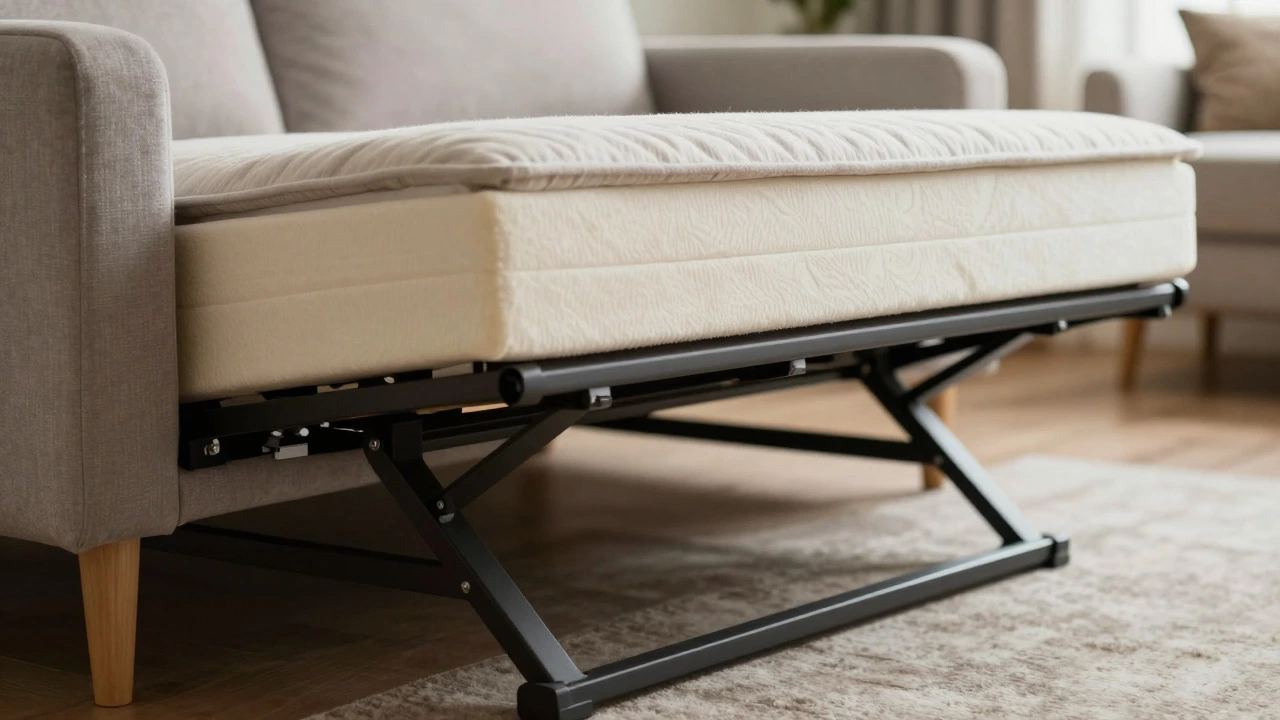
The magic behind a queen sleeper sofa lies in its internal framework. Unlike a simple fold-out chair, these units use heavy-duty steel frames designed to support the weight of two adults plus the mattress. There are two primary mechanisms you will encounter:
- Traditional Pull-Out: This is the classic design. You lift the seat cushions, pull a metal handle forward, and unfold the base. The mattress, which is folded into thirds (tri-fold), unfolds along with the base. This requires significant floor clearance in front of the sofa to operate.
- Click-Clack or Flip-Down: Newer designs often feature a "click-clack" backrest. You recline the back until it locks flat against the seat, creating a larger surface area. While technically less of a "pull-out" and more of a sectional configuration, some manufacturers market these as queen sleepers if the combined width hits the 60-inch mark. However, true queen sleepers almost always use the tri-fold pull-out system for proper mattress thickness.
The tri-fold system is critical because it allows for thicker mattresses. Twin sleeper sofas often use thin, flimsy pads. Queen models usually accommodate mattresses that are 4 to 6 inches thick, providing actual spinal support rather than just cushioning.
Comfort Factors: Mattress Quality Matters
Let’s address the elephant in the room: comfort. Historically, sofa beds were notorious for being hard and uneven. Modern queen sleeper sofas have improved, but the quality varies wildly based on the mattress included.
Most entry-level models come with a basic foam or innerspring mattress that is durable but firm. For better sleep, look for models offering:
- Pocketed Coils: These provide individualized support and reduce motion transfer, so if your guest tosses and turns, you don’t feel it on the couch part.
- Memory Foam Toppers: Some high-end models include a built-in memory foam layer. If yours doesn’t, buying a separate 2-inch memory foam topper can transform the sleeping experience.
- Mattress Thickness: Aim for at least 5 inches. Anything thinner tends to sag between the metal slats of the frame.
Remember, the mattress must fold repeatedly. High-density foams hold up better over time than soft, low-density foams which may develop permanent creases.
| Feature | Twin Sleeper Sofa | Queen Sleeper Sofa | Full Sleeper Sofa |
|---|---|---|---|
| Bed Width | 38-39 inches | 60 inches | 54 inches |
| Bed Length | 75 inches | 80 inches | 75 inches |
| Sofa Width | 70-80 inches | 85-95 inches | 80-90 inches |
| Best For | Small apartments, single guests | Couples, spacious living rooms | Budget-friendly, medium spaces |
| Avg. Price Range | $500 - $1,200 | $1,200 - $3,000+ | $800 - $1,800 |
Who Should Buy a Queen Sleeper Sofa?
This isn't the right choice for everyone. Its bulk and price tag make it a specific solution for specific problems. Consider a queen sleeper if:
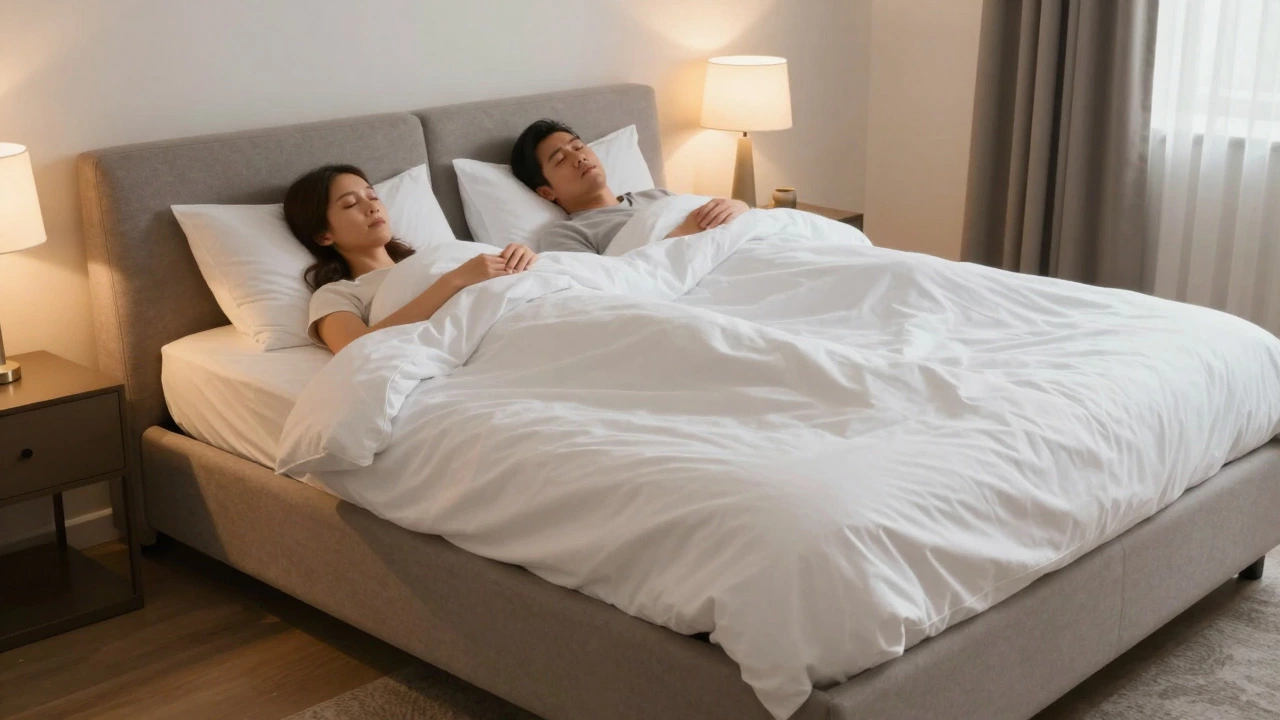
- You host couples regularly: A twin bed is awkward for partners. A queen provides personal space for both guests.
- You lack a dedicated guest room: It turns your living area into a flexible hospitality zone without needing a second bedroom.
- You have ample floor space: You need a wall length of at least 8 feet to accommodate the width comfortably.
- You prioritize durability: Higher-end queen sleepers are built with hardwood frames and reinforced steel, lasting longer than cheap alternatives.
On the flip side, avoid it if you live in a studio apartment with limited square footage. The sheer mass of a queen sleeper can overwhelm a small room, making it feel cluttered even when closed.
Placement and Layout Tips
Because these sofas are wide, placement is key. Do not squeeze a queen sleeper into a corner where the mechanism needs to extend. Ensure there is at least 3 feet of clear space in front of the sofa to allow for easy opening and closing. Placing it against a solid wall is ideal, as it prevents the sofa from shifting when the heavy bed mechanism is deployed.
Also, consider the traffic flow. Since the sofa is wider, it may act as a visual barrier in open-concept homes. Use it to define zones-for example, separating the living area from a dining space-rather than blocking pathways.
Maintenance and Longevity
Like any furniture, a queen sleeper sofa requires care. The moving parts are the most vulnerable. Every six months, check the metal frame for loose screws or bolts. Tighten them immediately to prevent wobbling, which can damage the frame over time.
Vacuum the crevices where the mattress folds. Dust and debris accumulate here, leading to odors or pest issues. If the fabric is removable, follow the manufacturer's cleaning instructions. Most modern fabrics are stain-resistant, but treating spills quickly is essential.
Finally, rotate the mattress occasionally if possible. While difficult in a folded state, ensuring the weight distribution is even helps prevent premature sagging in one section.
Is a queen sleeper sofa comfortable for every night use?
While modern queen sleeper sofas are much more comfortable than older models, they are generally best suited for occasional guest use rather than daily sleeping. The mattress must fold repeatedly, which can lead to wear and tear faster than a standalone bed. For nightly use, invest in a high-quality model with pocketed coils and add a memory foam topper for extra support.
How wide is a queen sleeper sofa in sofa mode?
A queen sleeper sofa typically measures between 85 and 95 inches wide when closed. This is significantly wider than a standard three-seat couch, which is usually around 70-80 inches. Always measure your wall space to ensure it fits without blocking doorways or walkways.
Can I replace the mattress in my queen sleeper sofa?
Yes, most queen sleeper sofas allow you to replace the original mattress. Look for replacement mattresses specifically designed for sofa beds, which are lighter and more flexible to handle folding. Standard queen mattresses are often too thick and rigid, preventing the mechanism from closing properly.
What is the difference between a full and a queen sleeper sofa?
The main difference is width. A full sleeper sofa bed is 54 inches wide, while a queen is 60 inches wide. This 6-inch difference makes a significant impact on comfort for two sleepers. Full sleepers are narrower and cheaper, making them better for smaller spaces or single guests who might bring a partner occasionally.
Are queen sleeper sofas heavy?
Yes, they are quite heavy. Due to the steel frame, thick mattress, and sturdy upholstery, a queen sleeper sofa can weigh between 150 and 250 pounds. Moving one usually requires two people. Ensure your flooring can support the concentrated weight, especially if placed on upper floors.