Armoire vs. Wardrobe Identifier
Confused by the labels at the antique shop? Check these key features to identify if you are looking at a true Armoire or just a fancy Wardrobe.
...
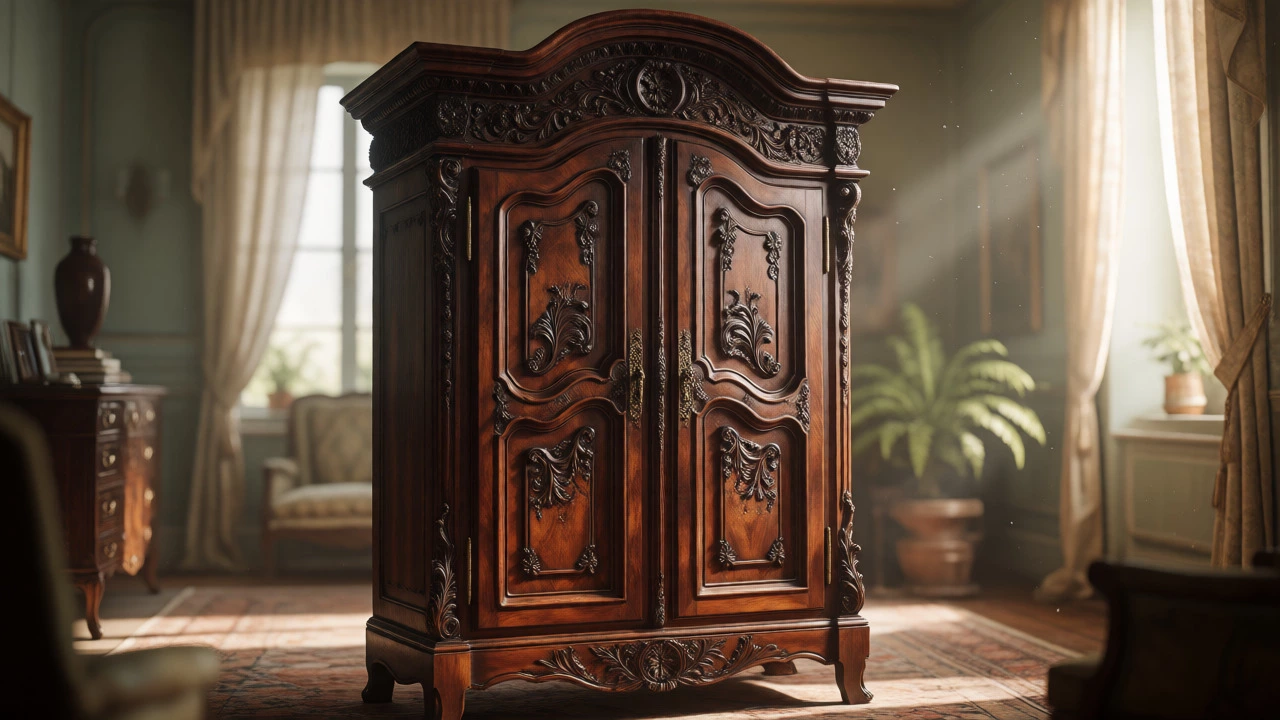
You’re browsing a vintage shop in Auckland or scrolling through an online auction, and you spot it: a massive, intricately carved wooden cabinet that looks more like a piece of art than storage. You want to buy it, but the label just says "wardrobe," and your gut tells you there’s a fancier name for this beast. So, what is an ornate wardrobe called? The short answer is usually an armoire. But here’s the twist: not every fancy closet is technically an armoire, and using the wrong term can get you into awkward debates with antique dealers.
Most people use "wardrobe" and "armoire" interchangeably, but in the world of interior design and antique collecting, they are distinct entities. Knowing the difference helps you identify what you’re buying, understand its value, and style it correctly in your home. Let’s break down exactly what defines these pieces, where the names come from, and how to tell them apart without needing a PhD in furniture history.
The Core Difference: Built-in vs. Freestanding
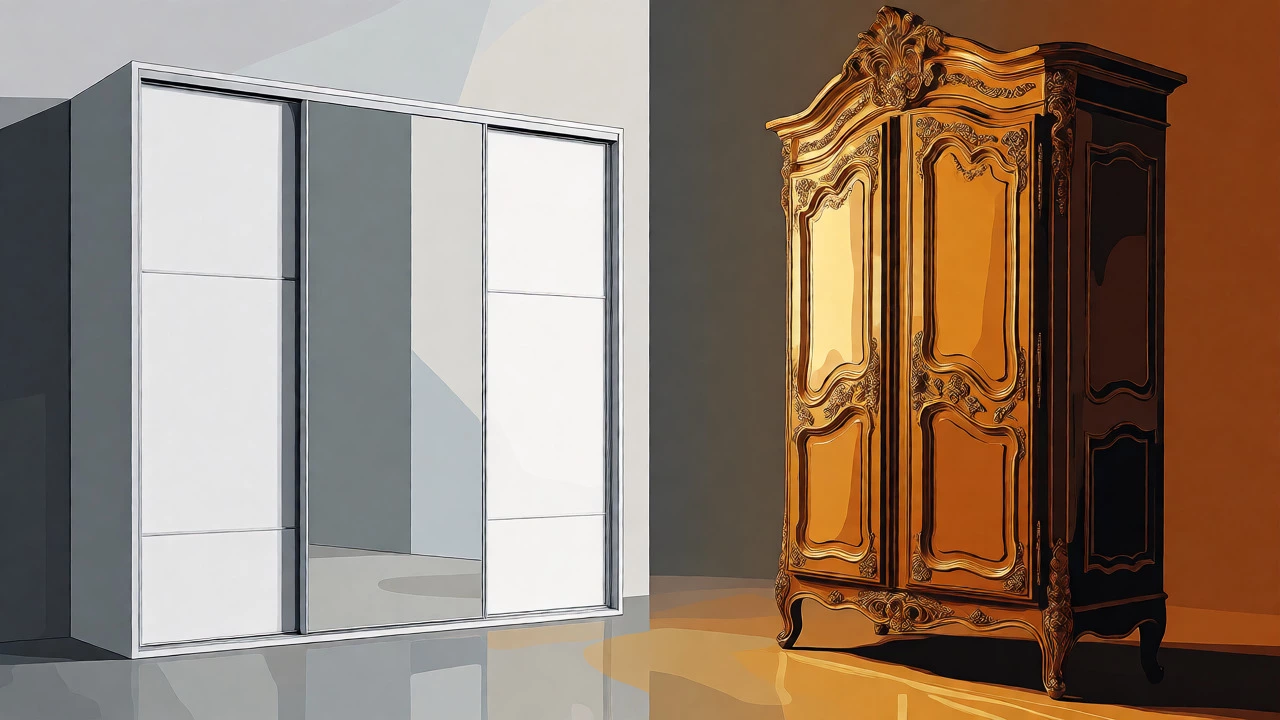
The biggest confusion stems from modern usage. Today, if you walk into a IKEA or look at a standard bedroom set, a "wardrobe" often refers to a built-in closet system or a simple freestanding cabinet with sliding doors. In contrast, an armoire is always a freestanding, large cupboard typically made of wood, used for storing clothes or other items. It stands on its own legs (or base) and isn’t attached to the wall structure.
Think of it this way: A wardrobe is a function; an armoire is a statement. If you can push it to the middle of the room and it still looks good from all sides, it’s likely an armoire. If it’s designed to be flush against a wall or built into the architecture, it’s a wardrobe or a closet. This distinction matters because armoires are generally more expensive due to their craftsmanship and mobility.
Historical Roots: Why "Armoire" Sounds French
The word "armoire" comes directly from the Old French armarie, which itself derives from the Latin armarium, meaning a bookcase or chest. Historically, these pieces weren’t just for clothes. In medieval Europe, they stored books, valuables, and even weapons. By the 17th and 18th centuries, particularly during the reign of Louis XIV in France, the armoire evolved into a status symbol for the wealthy.
| Feature | Wardrobe | Armoire |
|---|---|---|
| Installation | Often built-in or fixed to walls | Fully freestanding and movable |
| Material | Varies widely (MDF, particleboard, metal) | Traditionally solid wood (oak, walnut, mahogany) |
| Design | Functional, minimalist, or utilitarian | Ornate, decorative, sculptural details |
| Doors | Sliding or hinged, often mirrored | Hinged, often with intricate carvings or panels |
| Origin | General English term for clothing storage | French origin, associated with luxury estates |
This historical context explains why we associate the term with "ornate." In the 19th century, as mass production took off, simpler wardrobes became common for the middle class. Meanwhile, the term "armoire" stuck to those high-end, hand-carved pieces imported from France or Italy, or locally crafted to mimic those styles. If you see a piece with heavy floral motifs, gilded accents, or complex joinery, you’re looking at the legacy of that aristocratic tradition.
Anatomy of an Ornate Wardrobe: What to Look For
If you’re trying to confirm whether a piece qualifies as an armoire, ignore the price tag for a second and look at the construction. Authentic armoires have specific physical traits that separate them from generic cabinets.
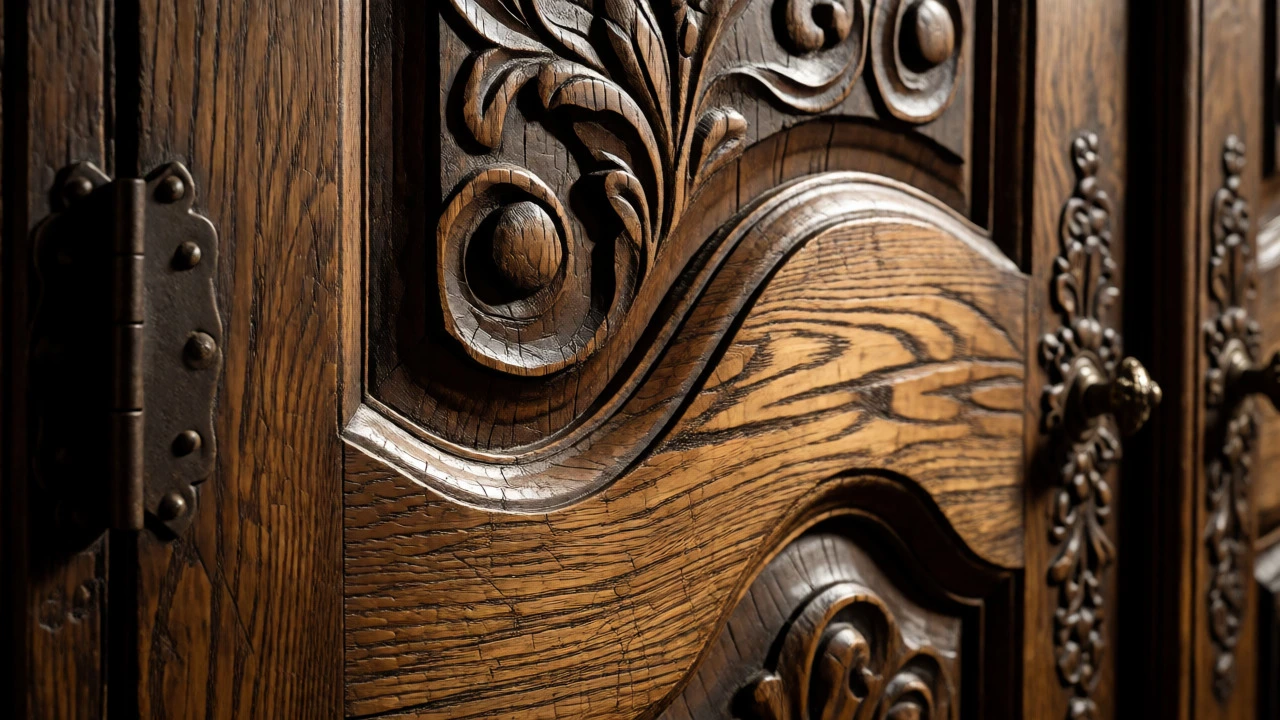
- Solid Wood Construction: Most true armoires are made from solid hardwoods like oak, walnut, cherry, or mahogany. If you tap it and it sounds hollow like cardboard, it’s probably a veneer-covered particleboard wardrobe.
- Carved Details: Look for relief carving on the doors, cornice, and side panels. Common motifs include acanthus leaves, rosettes, and scrollwork. These aren’t just stickers; they’re chiseled into the wood.
- Heavy Hardware: Original armoires feature substantial iron, brass, or bronze handles and hinges. They feel weighty when opened. Modern reproductions might use lighter, cast-metal replicas.
- Interior Layout: Traditional armoires were designed before drywall closets existed. They often include multiple drawers, shelves, and hanging rods arranged specifically for folding and hanging garments, rather than just one big open space.
- Cornice and Base: Many feature a prominent top molding (cornice) and a sturdy base or plinth. These architectural elements make the piece look like a column or pillar in the room.
One common pitfall is confusing an armoire with a chiffonier or a secretary desk. While related, chiffoniers are primarily chest-of-drawers hybrids, and secretaries have writing surfaces. An armoire is strictly vertical storage dominance.
Regional Variations and Other Names
Depending on where you live, you might hear different terms for similar pieces. In the UK, "wardrobe" remains the dominant term, even for ornate freestanding pieces, though "armoire" is understood among collectors. In Australia and New Zealand, the influence of British colonial furniture means many older homes have "cedar chests" or "four-poster wardrobes" that fit the armoire description but aren’t labeled as such.
In parts of Southern Europe, you might encounter the Italian guardaroba or the Spanish ropero. These are functional equivalents but often feature different aesthetic traditions-more painted finishes or marquetry instead of deep carving. However, in the global antique market, "armoire" has become the catch-all term for any large, decorative, freestanding wooden closet.
It’s also worth noting the rise of the "modern armoire." Contemporary designers now build sleek, minimalist cabinets with clean lines and call them armoires. This is marketing shorthand. Technically, if it lacks the traditional ornate features, it’s just a stylish freestanding wardrobe. Don’t let the trendy label fool you into paying antique prices for new MDF furniture.
Why Buying an Armoire Is Worth the Hype
So, why bother learning the terminology? Because it affects your wallet and your home’s vibe. An authentic antique armoire is a durable asset. Solid wood lasts generations. Unlike chipboard wardrobes that sag under weight or warp in humidity, a well-maintained oak armoire will outlive you.
Plus, they offer unmatched versatility. Since they’re freestanding, you can move them between rooms. Use one as a media console in the living room (hide the TV behind the doors), a linen storage unit in the hallway, or a bar cabinet in the dining area. Their depth (usually 20-24 inches) fits most electronics and linens perfectly.
From a resale perspective, knowing the difference protects you. Sellers often inflate prices by slapping the word "armoire" on any old cabinet. Conversely, savvy buyers hunt for "wardrobes" that are actually hidden gems-solid wood, carved, freestanding pieces mislabeled as generic storage. If you spot a heavy, solid-wood piece with carved doors listed simply as a "wardrobe," grab it. That’s your bargain armoire.
Practical Tips for Identifying and Caring for Your Piece
If you’ve found a potential ornate wardrobe and want to verify its authenticity or maintain it, follow these steps:
- Check the Back Panel: Turn it around. Antique armoires often have rough-sawn backboards with visible tool marks (like circular saw patterns or hand-plane grooves). Modern reproductions usually have smooth, uniform plywood backs.
- Inspect the Joinery: Look inside the drawers and at the corners. Dovetail joints indicate quality craftsmanship. Staples or glue-only construction suggest later manufacturing or lower quality.
- Smell the Wood: Cedar-lined interiors are a hallmark of high-quality vintage wardrobes/armoires, meant to repel moths. If it smells musty, it needs ventilation. If it smells strongly of cedar, that’s a good sign of original lining.
- Test the Doors: Open and close them slowly. They should swing smoothly without sticking. Misalignment suggests the piece has shifted over time, which is fixable but requires attention.
- Assess the Finish: Be wary of pieces that look too perfect. A layer of thick, plastic-like varnish often hides poor repairs or cheap wood underneath. Patina-the natural wear and color change over decades-is desirable and adds value.
Maintenance is straightforward. Keep it away from direct sunlight to prevent fading. Dust regularly with a soft cloth. If the wood feels dry, apply a beeswax-based polish once or twice a year. Avoid silicone sprays, which can create a slippery film that complicates future refinishing.
Is an armoire the same as a wardrobe?
Not exactly. While both store clothes, an armoire is specifically a freestanding, large, decorative wooden cabinet, often with ornate detailing. A wardrobe is a broader term that can include built-in closets, sliding-door units, and simpler freestanding cabinets. All armoires are wardrobes in function, but not all wardrobes are armoires in style and construction.
Can I use an armoire as a TV stand?
Yes, this is a very popular modern use. Because armoires are deep (typically 20-24 inches) and sturdy, they easily hold large TVs. The doors allow you to hide the screen when not in use, turning a tech-heavy room into a classic space. Just ensure the shelf inside is strong enough to support the TV's weight.
How much does a genuine antique armoire cost?
Prices vary wildly based on age, condition, and provenance. A small, restored provincial French armoire might range from $500 to $1,500 USD. High-end Parisian pieces from the 18th century can fetch $5,000 to $20,000+. Always factor in restoration costs, which can add another few hundred dollars if the finish or hardware needs work.
What is the difference between an armoire and a china cabinet?
A china cabinet (or display cabinet) typically has glass doors and shelves designed to showcase dishes and collectibles. An armoire usually has solid wood doors and is designed for concealment of textiles. Some hybrid pieces exist, but the primary intent differs: display versus storage.
Are armoires suitable for small apartments?
Surprisingly, yes. Because they are freestanding, you can place them in corners or against non-load-bearing walls where built-ins won't fit. Their vertical height maximizes floor space efficiency. Plus, they add character without requiring permanent renovation, making them ideal for renters.