US Closet & Furniture Terminology Guide
Confused by American furniture terms? Click on a term below to see its definition, typical context, and shopping tips.
Closet
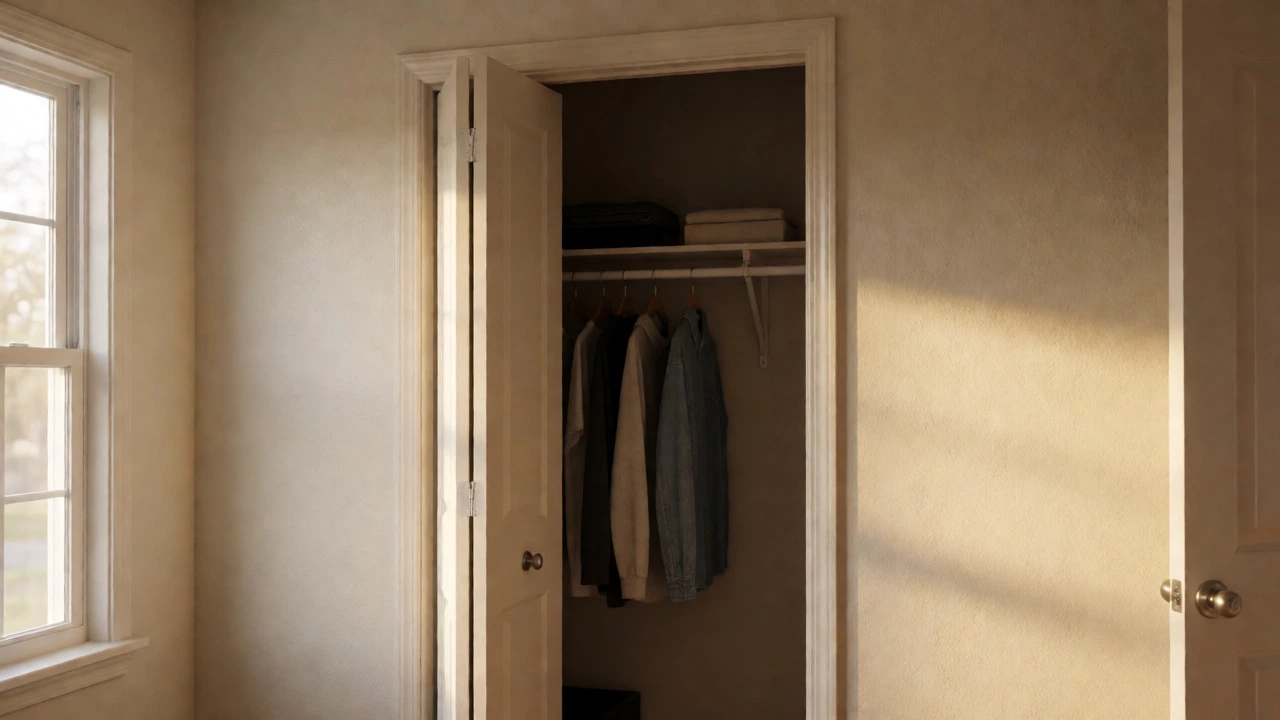
Bedrooms, HallwaysA space built into the house structure with doors, shelves, and a hanging rod. It is not movable furniture.
You walk into an American home, point to the tall wooden cabinet holding coats and dresses, and ask, "Where do you keep your clothes?" The host looks at you blankly. You said wardrobe, but they are waiting for the word closet. This linguistic gap trips up plenty of expats, travelers, and anyone shopping for furniture across borders. In the UK, Australia, and much of Europe, a wardrobe is a standalone piece of furniture. In the USA, that same function is usually served by a built-in architectural feature called a closet.
But it is not that simple. Americans do use the word "wardrobe," just not for the object you think. They also have specific names for freestanding cabinets, like armoires or chests of drawers. Knowing these distinctions saves you from buying the wrong item or sounding confused during a rental tour. Let’s break down exactly what Americans call these storage solutions, why the terminology differs, and how to shop for them without making a mistake.
The Big Switch: Closet vs. Wardrobe
In American English, the default term for a space where you store clothes is a closet. A closet is typically part of the house structure, not a piece of furniture you move around. It has doors, shelves, and a hanging rod, but it is built into the wall between studs. When an American says, "I’m going to my room," they often mean, "I’m going to my bedroom with a closet."
Why the difference? It comes down to housing design history. Post-WWII American suburban homes were designed with efficiency in mind. Builders realized that carving out a small room-sized nook for clothes was cheaper than having every family buy expensive wooden cabinets. So, the walk-in closet or the standard reach-in closet became standard features in bedrooms, hallways, and entryways. Because the storage is permanent, Americans don’t name it as a product; they name it as a room feature.
If you are renting an apartment in New York or Chicago, the listing will say "spacious closet," not "large wardrobe." If you buy a house, the inspection report notes the condition of the closets, not the wardrobes. Using the word "wardrobe" to describe this built-in space will cause confusion. An American might think you are talking about their entire collection of clothes (e.g., "my winter wardrobe") rather than the physical space.
What Do Americans Call Freestanding Clothes Cabinets?
Okay, so if the built-in space is a closet, what do you call a tall, free-standing cabinet with doors and hangers? This is where it gets tricky because there isn’t one single universal term. Instead, Americans use several specific words depending on the style, material, and era of the furniture.
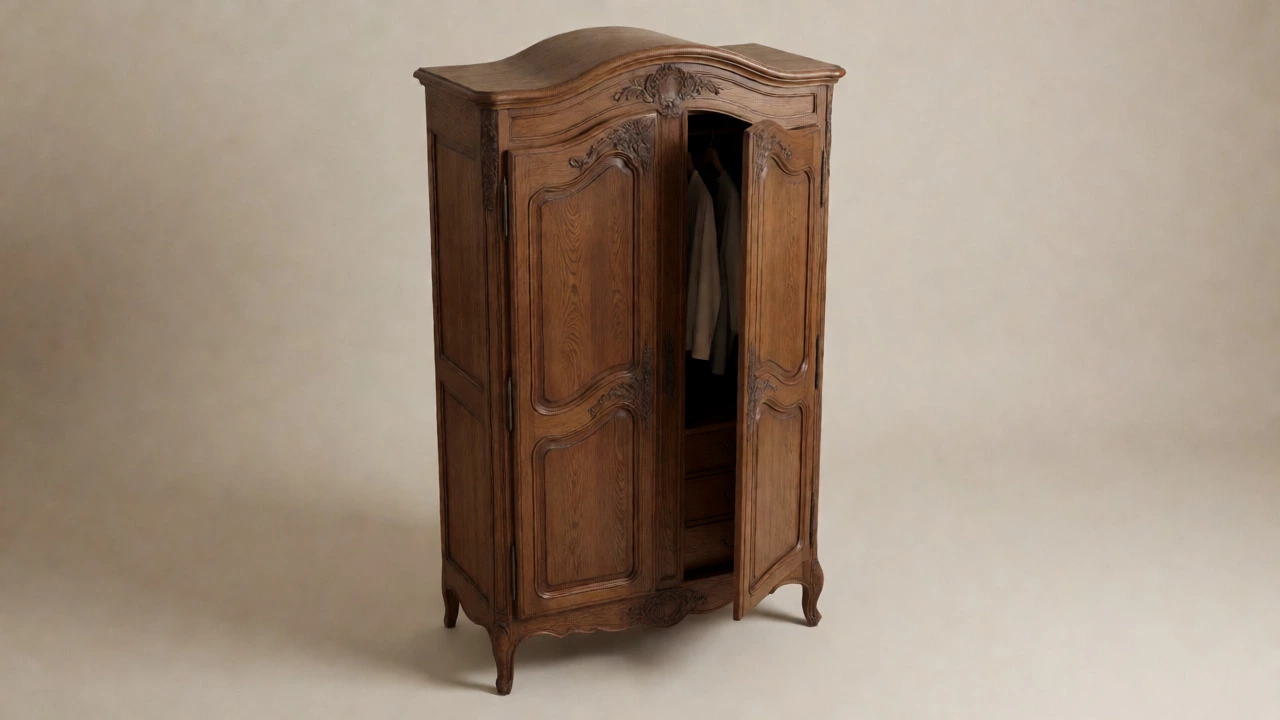
The most common term for a decorative, freestanding clothes cabinet is an armoire. An armoire is usually made of wood, has ornate details, and feels more like antique furniture than modern utility storage. If you see a beautiful oak cabinet with carved doors in a living room or bedroom, Americans will likely call it an armoire. It implies elegance and age.
Another popular term is chifforobe. This is a portmanteau of "chest of drawers" and "wardrobe." It combines hanging space on one side with drawers on the other. While older generations still use this word, younger Americans often just call it a "storage unit" or specify "the dresser with the mirror." However, if you search online for "chifforobe," you will find plenty of results, so it remains a valid search term.
For simpler, modern designs, especially those made of metal or particleboard, Americans rarely use a special noun. They might call it a freestanding closet, a clothing rack (if open), or simply a cabinet. Retailers like IKEA or Wayfair list these under "bedroom storage" or "tall cabinets." If you ask a friend, "Do you have a wardrobe?" they might look at their freestanding metal rack and say, "No, I have a clothing rack." The distinction matters because "wardrobe" in the US carries a connotation of permanence or high-end custom millwork, which a $50 IKEA Kallax shelf doesn’t fit.
| Term | Description | Typical Context |
|---|---|---|
| Closet | Built-in architectural feature with doors and rod. | Bedrooms, hallways, entryways. |
| Armoire | Freestanding, decorative wooden cabinet. | Traditional decor, antiques, luxury bedrooms. |
| Dresser | Low, wide chest of drawers (no hanging space). | Bedrooms, used for folded clothes. |
| Chifforobe | Combination of dresser and hanging cabinet. | Smaller rooms needing dual storage. |
| Wardrobe | Often refers to clothing collection OR custom built-ins. | Fashion context, high-end custom homes. |
When Do Americans Actually Say "Wardrobe"?
It would be wrong to say Americans never use the word. They do, but the context shifts. First, as mentioned, it refers to a person’s entire collection of clothes. "She has a great summer wardrobe" means her clothes, not her cabinet. Second, in high-end real estate or interior design, the term appears when describing custom, floor-to-ceiling built-ins that look like furniture. If a mansion has a dedicated dressing room with bespoke cabinetry, a designer might call it a "walk-in wardrobe" to distinguish it from a basic builder-grade closet.
Third, due to globalization and streaming media, younger Americans are increasingly familiar with the British usage. You might hear Gen Z use "wardrobe" interchangeably with "closet" jokingly or stylistically. However, in practical transactions-like hiring movers or buying insurance-you should stick to "closet" for built-ins and "armoire/cabinet" for freestanding units to avoid billing errors.
Shopping Tips: How to Find What You Need in the US
If you are moving to the US or buying furniture remotely, using the right keywords is critical. Searching for "wardrobe" on Amazon.com or Wayfair will give you mixed results. You’ll get some freestanding cabinets, but many irrelevant fashion accessories. Here is how to navigate the US market effectively:
- Search for "Closet System": If you want organized storage inside your existing closet, this is the industry term. Brands like California Closets specialize in these modular shelving and hanging kits.
- Use "Armoire" for Style: If you want a freestanding piece that holds hanging clothes and looks good in a traditional room, search for armoires. You will find solid wood options with mirrors.
- Try "Freestanding Wardrobe": Some retailers, especially those catering to international customers or modern minimalists, do use this exact phrase. It works well for finding sleek, white, handle-less cabinets similar to European styles.
- Check Dimensions Carefully: American furniture uses inches, not centimeters. A standard US closet is often only 24 inches deep. Many European wardrobes are 60cm (approx. 23.6 inches) deep, which fits, but height varies. Always measure your ceiling clearance.
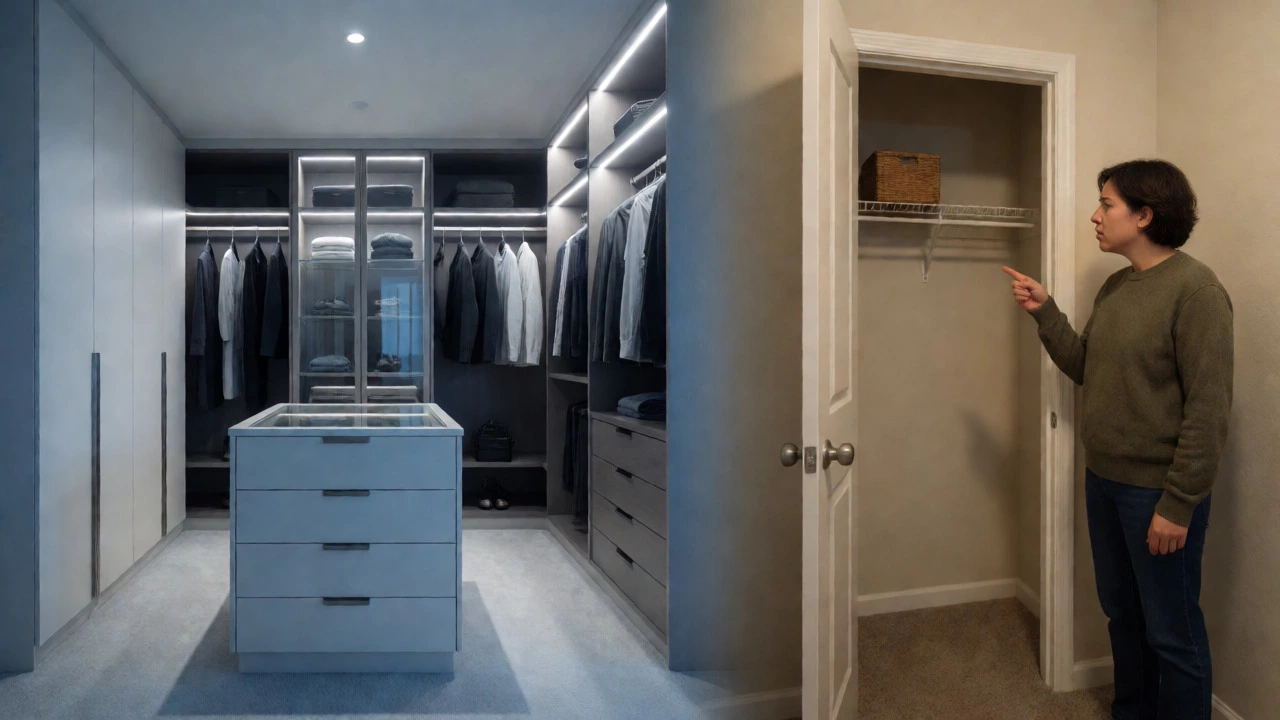
Remember that American bedrooms are often smaller than their European counterparts regarding storage footprint. A "master suite" might have a large walk-in closet, but guest rooms may have tiny reach-in closets. If you rely on hanging space, ensure the closet rod is sturdy. Many builder-grade rods sag under heavy coats, leading Americans to install additional shelving or buy separate dressers for folded items.
Cultural Nuances: Why the Distinction Matters
Understanding this vocabulary isn’t just about semantics; it reflects how Americans live. The prevalence of closets over wardrobes supports a lifestyle of rapid turnover and laundry frequency. Americans tend to wash clothes weekly and prefer easy access via built-in systems. Freestanding wardrobes can feel restrictive because they limit layout flexibility. You can’t move a closet, but you can rearrange a dresser.
Also, consider the climate. In humid regions like the Southeast, enclosed wooden wardrobes can trap moisture and cause mold. Built-in closets often have better ventilation or are painted with mold-resistant paint. In dry climates like Arizona, humidity isn’t an issue, so freestanding armoires are more common in older homes. When discussing storage with landlords or neighbors, mentioning "ventilation" or "moisture" shows you understand local housing challenges.
Frequently Asked Questions
Is a closet the same as a wardrobe?
Functionally, yes-they both store clothes. Structurally, no. A closet is built into the house walls and cannot be moved. A wardrobe (in British terms) is a freestanding piece of furniture. In the US, the built-in version is called a closet, while the freestanding version is usually called an armoire or cabinet.
Can I use the word "wardrobe" in America?
Yes, but be careful. If you say "I need a new wardrobe," Americans will think you need new clothes. If you say "I need a new wardrobe cabinet," they will understand you mean furniture. For clarity, use "closet" for built-ins and "armoire" or "cabinet" for freestanding units.
What is a walk-in closet?
A walk-in closet is a small room within a bedroom dedicated to storing clothes. It has enough space for you to enter and stand inside. These are highly desirable in US real estate and often feature custom shelving, islands, and lighting.
Are armoires expensive?
They vary widely. Mass-produced particleboard armoires cost $100-$300. Solid wood, antique, or custom-made armoires can range from $800 to several thousand dollars. Because they are freestanding, they are easier to sell or move than built-in closets.
How do I organize a small American closet?
Americans often use vertical space. Install double-hang rods to maximize short-item storage. Use over-the-door organizers for shoes and accessories. Add stackable bins for seasonal items. Since closets are narrow, slim velvet hangers save significant width compared to bulky plastic ones.