Furniture Purchase Timing Calculator
Find Your Best Month to Buy Furniture
Based on New Zealand market patterns, enter your needs to get personalized recommendations.
Buying furniture shouldn’t feel like a gamble. You don’t want to overpay, miss out on deals, or end up with something that breaks after six months. The truth? When you buy matters just as much as what you buy. In New Zealand, the best months to buy furniture aren’t random - they follow clear patterns tied to inventory cycles, seasonal demand, and retail strategy.
January: The Post-Holiday Clear-Out
Right after New Year’s, stores are flooded with leftover holiday inventory. People spent heavily in December, and now retailers need to make room for spring stock. That means deep discounts on everything from sofas to dining sets. In Auckland, major chains like The Warehouse, Freedom, and IKEA often launch their biggest sales of the year in early January. You’ll find 30-50% off on last year’s models, especially in popular styles like mid-century modern or Scandinavian designs. Don’t wait too long - these deals usually vanish by mid-month.
February: The Quiet Before the Storm
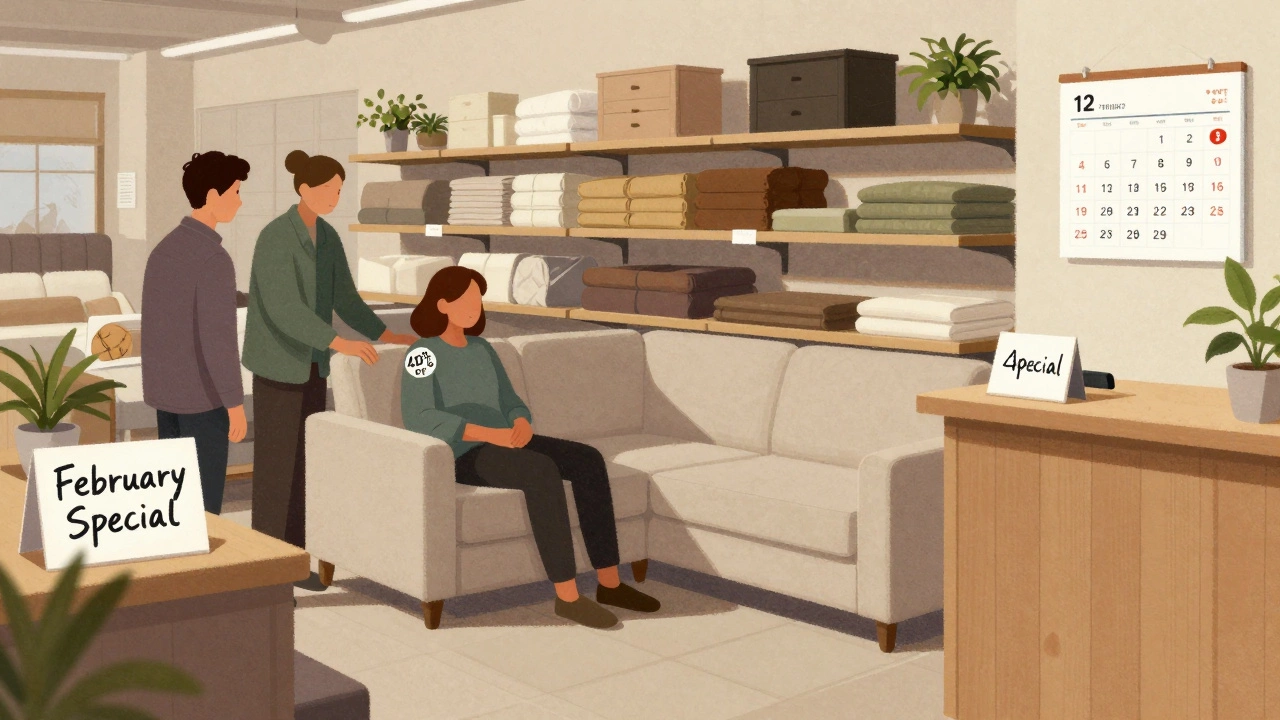
February is often overlooked, but it’s one of the smartest months to shop. After January’s rush, stores still have unsold stock and are desperate to move it before spring arrives. This is when you can find floor models, display items, and even open-box returns at 40% off or more. Many retailers also run exclusive February promotions to hit quarterly sales targets. If you’re flexible on delivery dates, you can negotiate even lower prices. A friend of mine bought a full living room set in February for $1,200 - the same set cost $2,400 in December.
July: Winter Clearance Starts Here
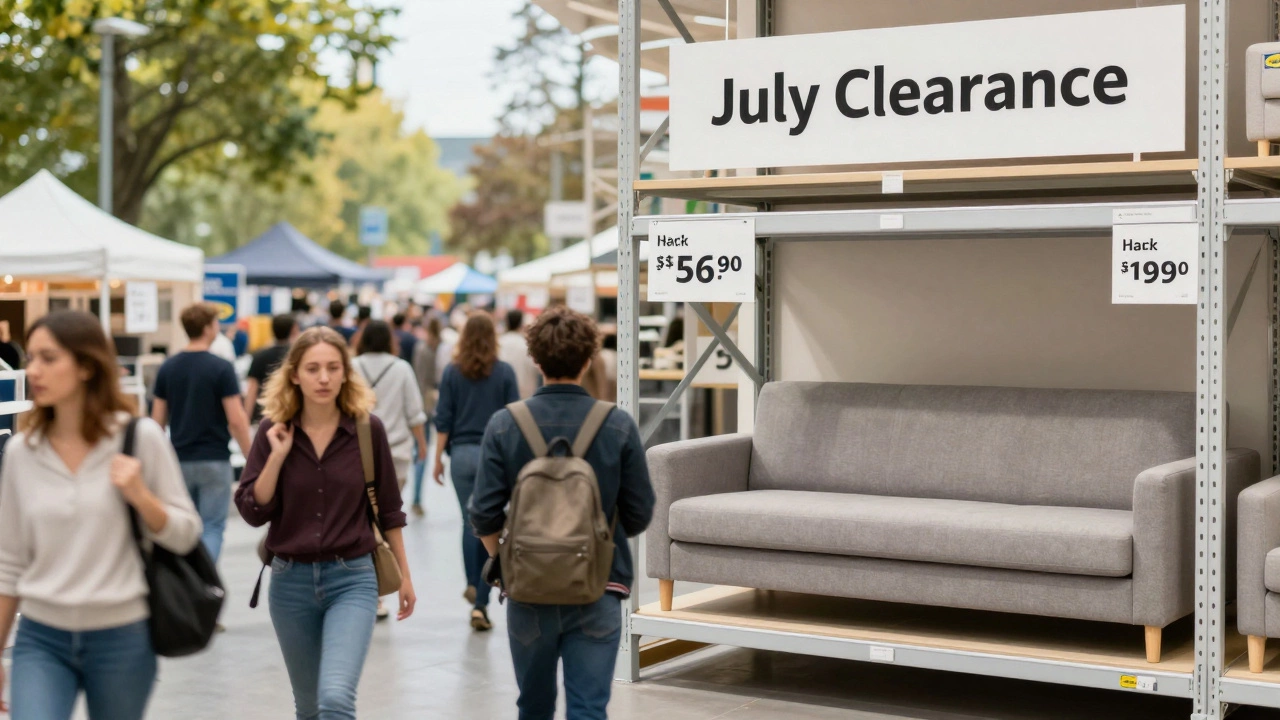
Mid-year is when furniture stores prepare for winter. In New Zealand, winter runs from June to August, so July is prime time for heating up sales. Stores clear out summer-specific items like outdoor sets, lightweight fabrics, and bright-colored pieces. If you’re looking for indoor furniture, this is also when new collections arrive, and old stock gets discounted to make space. The Warehouse, for example, typically runs its mid-year sale from late June through July. You’ll see the same discounts as January - sometimes even better if the previous season’s stock didn’t sell well.
September: Back-to-School and Move-In Season
September is when students head back to university, young professionals move into new apartments, and families reorganize after summer. Retailers know this, so they roll out targeted promotions. Look for deals on bedroom sets, desks, bookshelves, and storage units. Freedom and Harvey Norman often bundle items - buy a bed and get a nightstand free. If you’re moving, this is your sweet spot. Don’t ignore clearance sections - many stores mark down items that didn’t move in the spring.
November: Black Friday and Pre-Christmas Rush
November is the most hyped month for deals - and for good reason. Black Friday (the Friday after Thanksgiving, which many Kiwis now follow) and Cyber Monday bring massive discounts. But here’s the catch: the best deals are online, and they’re often limited. Physical stores like The Warehouse and Mitre 10 start promotions in early November, but inventory is tight. If you’re looking for a high-end sofa or a custom dining table, November is your best shot. Just be ready to act fast. Prices drop sharply on the 27th and 28th, then rise again by the 30th.
Why Timing Matters More Than You Think
It’s not just about saving money - it’s about getting quality. Furniture that sits on a warehouse shelf for months gets marked down, but it also gets dusty, damaged, or outdated. The best deals come from items that were overstocked, not defective. That’s why February and July are so powerful: stores are clearing out inventory that’s still in great condition. You’re not buying a second-hand piece - you’re buying last season’s model at half price.
Also, delivery schedules matter. If you buy in January, you might wait six weeks for delivery. But if you buy in February, warehouses are less backed up. Same goes for July - after the winter rush, delivery crews have more bandwidth. A slower delivery window can mean better service and fewer missed appointments.
What to Avoid
Don’t buy in March, April, or May. These are the slowest months for sales. Retailers are holding onto inventory for spring launches. You’ll pay full price and get last year’s design. Avoid December too - prices are at their highest. Everyone’s shopping for gifts, and stores know it. You’ll pay premium rates for the same item you could’ve bought for half the cost in July.
Pro Tips for Smart Buyers
- Sign up for email lists from your top three stores. You’ll get early access to sales and exclusive coupons.
- Check the clearance section weekly - items get marked down further every 10-14 days.
- Ask about floor models. They’re often in perfect condition and come with a 20-40% discount.
- Don’t assume a sale means quality. Read reviews, check frame materials (solid wood > particleboard), and ask about warranty length.
- Use price-tracking tools like PriceMe or CompareMyPrice to see if a deal is truly a deal.
What’s on Sale Right Now (March 2026)
Right now, in mid-March, you’re in the dead zone. Most stores are transitioning from winter to spring stock. But that doesn’t mean you can’t score something. Look for:
- End-of-winter outdoor furniture (patio sets, umbrellas)
- Overstocked bedroom sets from last year’s collection
- Items marked down because they were returned or damaged during shipping
Visit stores in person. Ask staff: “Is there anything coming in next week that I should wait for?” Often, they’ll quietly point you to a hidden clearance rack.
Final Rule: Wait, Watch, Then Strike
The best furniture buyers don’t rush. They wait. They watch. They compare. If you’re patient, you can save hundreds - sometimes thousands - on a full living room set. January and July are your strongest months. February and September are solid backups. November is for the fast movers. Everything else? You’re overpaying.
Is it better to buy furniture in January or July?
Both January and July are excellent months to buy furniture, but they serve different needs. January is ideal if you’re looking for holiday leftovers and want the biggest discounts on last year’s designs. July is better if you’re replacing winter-specific items or want to catch end-of-season sales on outdoor and summer furniture. In New Zealand, January often has slightly deeper discounts, but July gives you more variety in indoor pieces.
Do furniture stores have sales in February?
Yes, February is one of the most underrated months for furniture sales. After January’s rush, stores still have unsold inventory and are eager to clear it before spring collections arrive. You’ll find floor models, display items, and open-box returns at 40% off or more. Many retailers also run exclusive February promotions to hit quarterly targets. It’s a quieter time to shop, which means less crowding and more room to negotiate.
Should I wait for Black Friday to buy furniture?
Black Friday (early November) is great for online deals and big-ticket items like sofas or bedroom sets, but it’s not always the best option. Physical stores in New Zealand start promotions in early November, but inventory is limited. If you’re buying something custom or high-end, you might get better deals in July. Black Friday is best for fast-moving, popular items - not unique or made-to-order pieces.
Are floor models worth buying?
Absolutely - if they’re in good condition. Floor models are often used in store displays for months, but they’re typically well-maintained. You can save 20-40% off retail price, and many come with the same warranty as new items. Ask if the item has been reupholstered or if any parts have been replaced. A well-cared-for floor model is often better than a brand-new one that’s been sitting in a warehouse.
What furniture items should I avoid buying during sales?
Avoid buying upholstered items with fabric you can’t replace - like patterned or custom colors - unless you’re sure you’ll love it for years. Also skip cheap particleboard furniture, even if it’s on sale. These pieces break easily and can’t be repaired. Stick to solid wood, metal frames, and high-density foam. If the frame feels flimsy or the joints are glued instead of screwed, walk away.