TV Wall Color Recommendation Tool
Find Your Perfect Backdrop
1. What is your primary viewing time?
2. What is your main content?
3. Room Size & Light Source:
Enter your details above
Please select your options to see the best wall color for your setup.
Quick Takeaways for Your Wall Choice
- Dark walls increase perceived contrast and reduce eye strain in dim rooms.
- Light walls keep a room feeling airy and open, which is great for small spaces.
- Matte finishes are a must to avoid annoying light reflections on the screen.
- The "best" choice depends on your primary viewing time-daylight vs. nighttime.
The Science of Contrast and Eye Strain
When you watch a screen, your eyes are processing light against a background. If you have a bright, white wall behind a TV, your pupils have to deal with two competing light sources: the glowing screen and the reflected light from the wall. This can lead to a phenomenon where the blacks on your screen don't look as deep because the surrounding area is too bright.
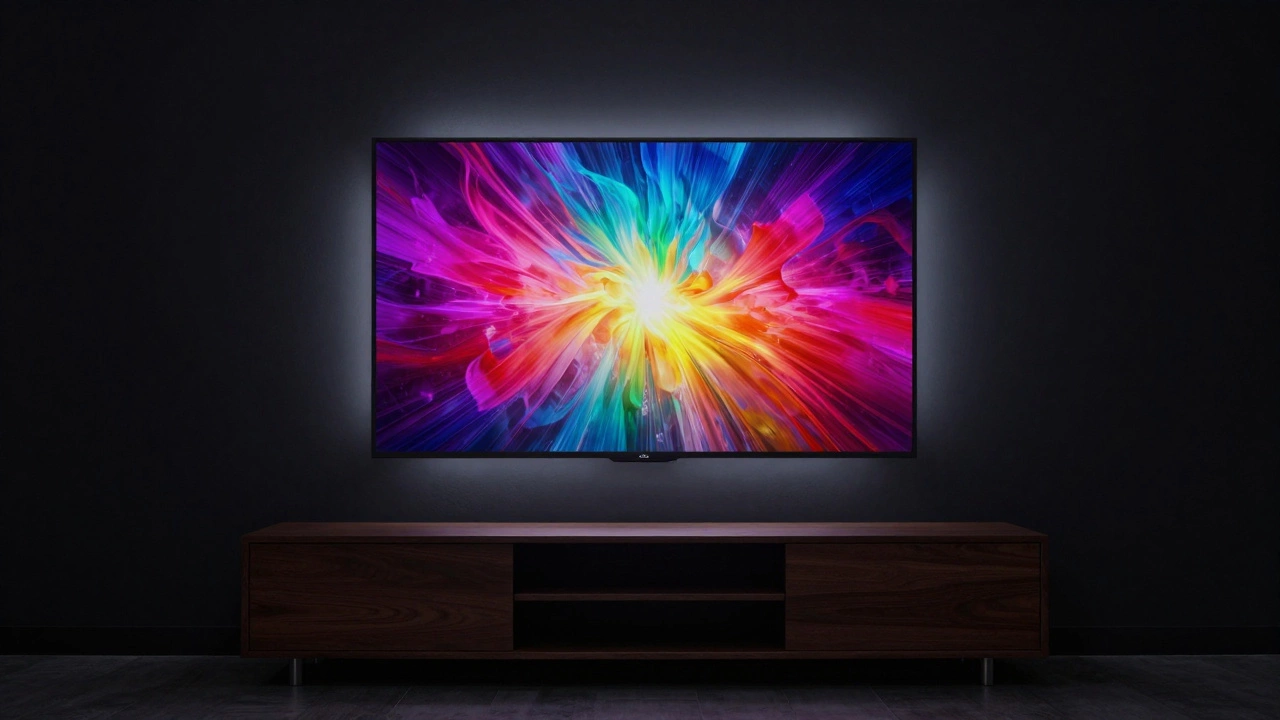
By using a TV wall color is the specific paint or material applied to the surface directly behind a television to influence lighting and contrast that is darker, you effectively "sink" the TV into the wall. This creates a cinematic effect. When the wall is dark, the screen becomes the primary source of light in your field of vision, which makes colors pop and blacks feel inkier. If you're a gamer or a cinephile, this is usually the way to go.
Why You Might Choose a Dark Wall
Dark colors-think charcoal, navy, or deep forest green-are the gold standard for home theaters. But it's not just about the "cool" factor. A dark wall absorbs more light, meaning there's less glare bouncing off the wall and back onto your screen. If you have a room with a lot of lamps or natural light coming from the side, a dark matte wall stops the room from feeling like a mirror.
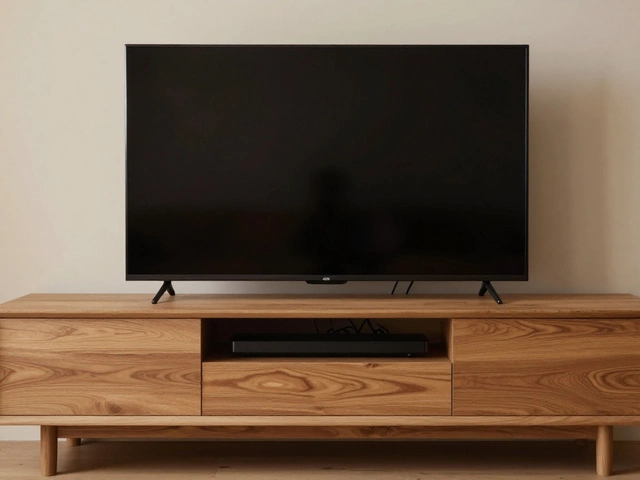
Think about a typical living room setup. You've got a sleek TV Stand in a dark wood finish. Pairing that with a deep grey wall creates a cohesive, anchored look. It defines the "entertainment zone" and separates it from the rest of the living area. The main trade-off? Dark colors can make a small room feel smaller. If your lounge is already tight, a black wall might make it feel like a cave.
The Case for Light Walls
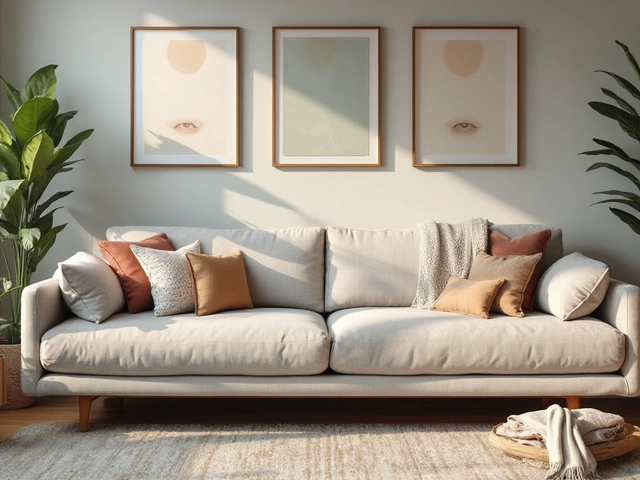
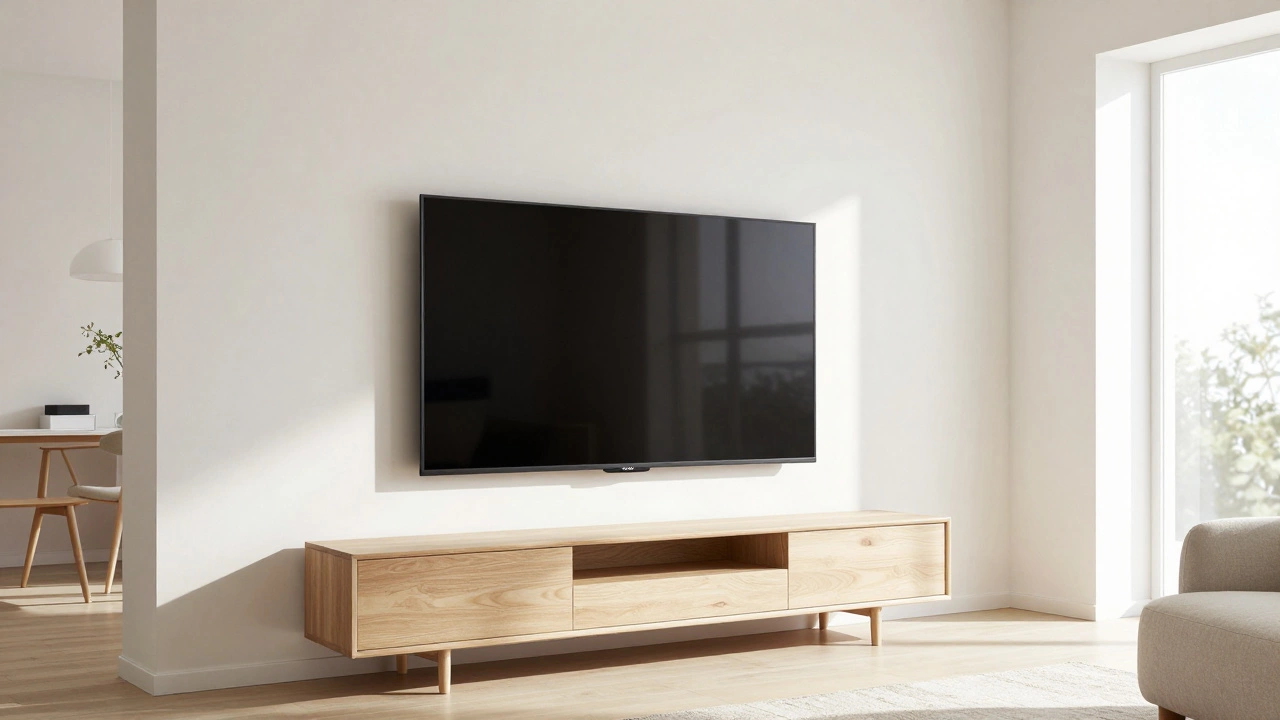
Light walls-whites, creams, or pale greys-are about space and breathability. In a bright, open-concept home, a dark patch in the middle of a white room can sometimes look like a hole in the wall. Light colors reflect sunlight, which is a lifesaver if you do a lot of daytime viewing. It keeps the room feeling fresh and energetic.
However, light walls come with a challenge: glare. If you have a window opposite your TV, a white wall can act as a giant reflector, bouncing sunlight directly onto your screen. You might find yourself squinting or closing curtains even at noon. To fix this, many people opt for "off-white" or soft greys. These colors provide the openness of a light room but reduce the harshness of the reflection.
| Feature | Dark Wall (Navy/Charcoal) | Light Wall (White/Beige) |
|---|---|---|
| Perceived Contrast | High - Blacks look deeper | Lower - Screen can look washed out |
| Room Feel | Cozy, cinematic, moody | Airy, open, spacious |
| Glare Management | Absorbs light, reduces reflections | Reflects light, potential for glare |
| Best For... | Movies, Gaming, Night viewing | General TV, Daytime, Small rooms |
The Role of Paint Finish
The color is only half the battle; the finish is where most people mess up. You should almost always avoid "gloss" or "semi-gloss" paints on a TV wall. Why? Because a glossy finish creates a mirror effect. If you have a lamp on your side table, you'll see a bright white dot reflected on the wall right next to your screen, which is incredibly distracting during a quiet scene in a movie.
Go for a Matte Paint or a "flat" finish. These are designed to scatter light rather than reflect it. This is especially critical for dark colors. A dark navy wall in a high-gloss finish will look like a piece of plastic; a matte navy wall looks like velvet and disappears into the background, which is exactly what you want.
Balancing the Wall with Your Furniture
Your wall doesn't exist in a vacuum. It has to play nice with your furniture. If you have a light-colored TV Stand made of white oak or painted white, a dark wall creates a stunning, high-contrast look. The furniture "pops" against the dark backdrop, making the setup look like a curated gallery piece.
On the other hand, if you have a massive, dark espresso or black entertainment center, putting it against a dark wall can make the whole area feel like a black blob. In this case, a medium-tone wall-like a sage green or a slate blue-provides enough contrast to see the lines of your furniture while still giving you those contrast benefits for the screen.
Alternative Solutions: Not Just Paint
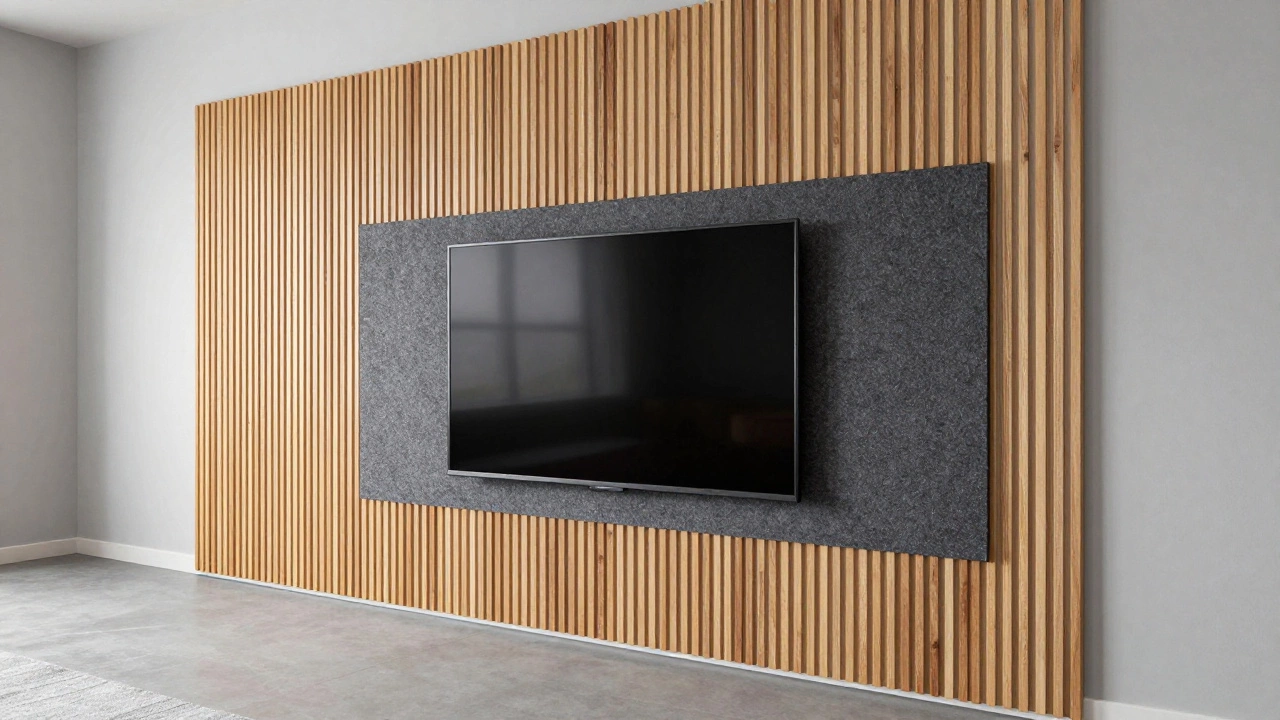
If you can't decide or aren't ready to commit to a permanent paint job, there are other ways to get the best of both worlds. Wood paneling or Slat Walls are huge right now. By using vertical wooden slats over a dark felt background, you get the light-absorbing properties of a dark wall but the texture and warmth of wood.
Another trick is the "feature wall" approach. You don't have to paint the whole room. Just painting the section of the wall where the TV sits-essentially creating a large painted rectangle-can frame the TV and improve the contrast without making the entire room feel dark. It's like giving your TV its own dedicated stage.
Will a dark wall make my room feel too small?
It can, but there are ways to prevent it. If you paint only the TV wall and keep the other three walls light, the room will still feel open. You can also use a "cool" dark tone like charcoal or deep blue, which tends to recede visually, making the wall feel further away than a "warm" dark color like chocolate brown.
What is the best color for an OLED TV?
OLEDs are famous for "perfect blacks." To maximize this, a dark matte wall is ideal. When the screen displays a black image, it blends into the dark wall, making the image seem like it's floating in mid-air. A white wall creates a harsh border around the screen that reminds you where the TV ends and the wall begins.
Do I need to worry about the color if I have bias lighting?
Yes, but bias lighting (LED strips behind the TV) actually helps a lot. Bias lighting creates a soft glow that reduces the strain on your eyes. On a light wall, the glow is less noticeable. On a dark wall, the glow creates a beautiful halo effect that further separates the TV from the wall and improves perceived contrast.
What happens if I use a bright color like red or yellow?
Bright, saturated colors can be problematic. Your eyes adapt to the dominant color in the room. If you have a bright red wall, your brain may subconsciously compensate by making the colors on the screen look slightly more cyan or green to balance it out. Neutral tones (greys, blues, whites) are safer because they don't distort your color perception.
Which is better for a room with lots of windows?
If the windows are opposite the TV, a dark matte wall is better because it absorbs the incoming light. If the windows are next to the TV, a light wall might feel more natural, but you'll definitely need blackout curtains to avoid glare during the day.
Next Steps for Your Setup
If you're still on the fence, start with a sample pot of paint. Paint a small square directly behind where the TV sits and watch it at different times of the day. Notice how the light from your windows changes the color and whether the reflection bothers you.
For those who rent and can't paint, consider high-quality peel-and-stick wallpaper in a dark, textured finish. It gives you the contrast benefits of a dark wall without the risk of losing your security deposit. Pair it with a clean, minimalist TV stand to keep the look professional and uncluttered.