Furniture Savings Calculator
Enter details above to see how much you could save.
There is a specific moment when the price tag on that sectional sofa drops by thirty percent, and it has nothing to do with your credit score. It has everything to do with the calendar. Most shoppers wander into stores or browse online at random times, paying full price because they assume furniture costs are static. They aren’t. Retailers operate on strict inventory cycles, seasonal clearances, and aggressive sales targets. If you know which day triggers these mechanisms, you stop paying retail and start paying wholesale.
You might think the answer is simply "Black Friday." It’s not. While Black Friday offers deals, it often comes with limited stock, inflated original prices, and chaotic crowds. The real savings happen on quieter days, during specific months, and right before new inventory arrives. This guide breaks down exactly when to pull the trigger on buying furniture so you keep more money in your pocket.
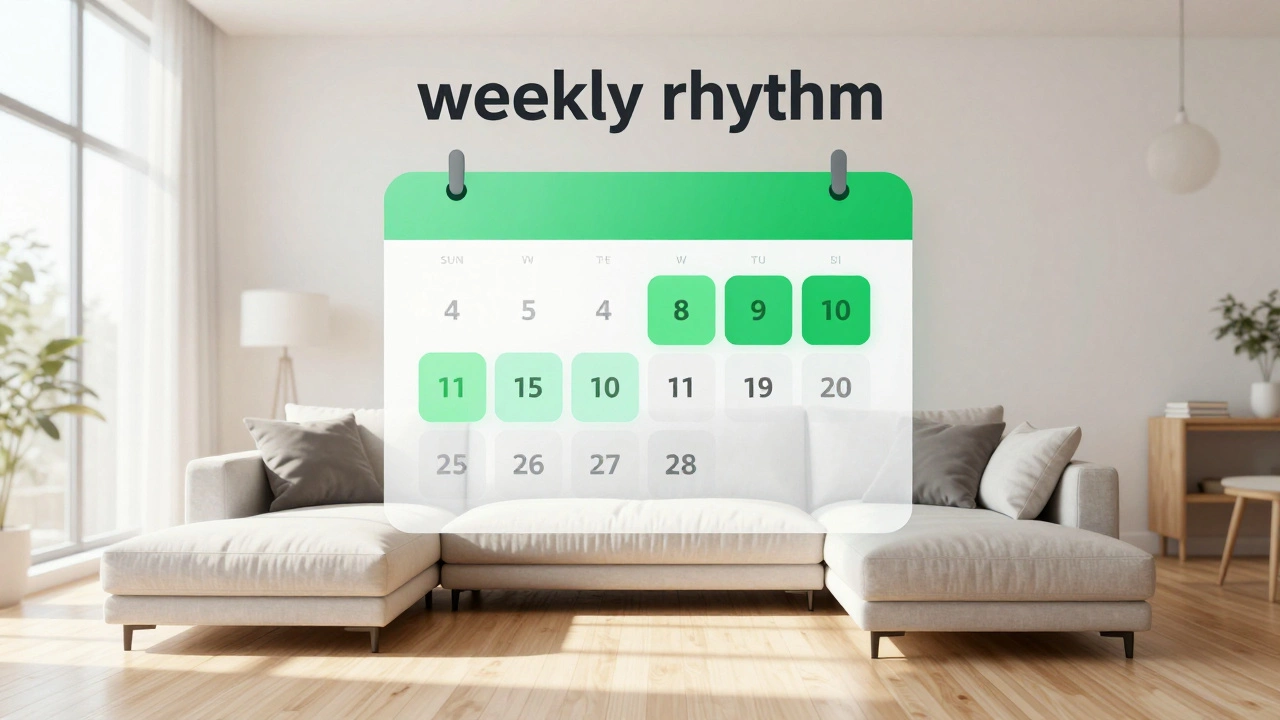
The Weekly Rhythm: Which Day of the Week Wins?
If you are looking for a single day within a standard week, Tuesday and Wednesday are consistently the best days to buy furniture. Why? Because retailers often launch their weekly promotions early in the week to drive traffic after the weekend rush dies down. By Thursday and Friday, foot traffic increases, and sales associates have less incentive to negotiate hard because they expect weekend buyers who are less price-sensitive.
- Tuesday: Many online retailers update their flash sales early in the week. Email newsletters with exclusive codes typically land in inboxes on Tuesday mornings.
- Wednesday: Mid-week slumps mean store managers are eager to move floor models to hit weekly quotas. You have more leverage here than on a Saturday.
- Avoid Sundays: This is peak shopping time. Sales staff are busy, inventory is picking up fast, and negotiation power shifts entirely to the seller.
However, the day of the week matters far less than the month. A Tuesday in January will beat a Black Friday in November for sheer value if you know what to look for.
The Monthly Calendar: When Seasonal Shifts Create Discounts
Furniture is highly seasonal. Retailers need to clear out old stock to make room for new collections. This creates predictable windows where prices plummet. Here is the breakdown of the best months to buy specific types of furniture.
| Furniture Type | Best Month(s) to Buy | Why It’s Cheap |
|---|---|---|
| Garden Furniture | November & December | End-of-season clearance. Stores need space for winter inventory like rugs and lighting. |
| Bedroom Sets | January & February | Post-holiday slump. New spring catalogs arrive in March, forcing old stock to go. |
| Living Room Sofas | August & September | Back-to-school season distracts from home decor. Retailers discount to meet quarterly goals. |
| Kitchen & Dining Tables | July & August | Summer vacation lull. Fewer people are hosting dinners, so demand drops. |
For example, if you need a patio set, waiting until late autumn can save you forty to sixty percent. The risk? You might miss the last sunny weekends of the year. But if storage isn’t an issue, the math favors patience.
Holiday Sales: Real Deals vs. Marketing Hype
Major holidays are the most advertised times to buy furniture, but not all holidays are created equal. Some offer genuine markdowns; others are just rebranded regular pricing.
Mother’s Day (May): This is one of the strongest sales events for furniture. Retailers target gift-givers with deep discounts on sofas, dining sets, and bedroom furniture. The competition between brands is fierce, leading to better prices than usual.
Memorial Day (Late May): In the US, this kicks off the summer outdoor furniture season. Expect significant drops on garden chairs, umbrellas, and BBQ stations. However, indoor furniture deals are moderate.
Fourth of July: Similar to Memorial Day, this is a prime time for outdoor living deals. If you’ve been eyeing a pergola or fire pit, this is the window.
Labor Day (Early September): This is the unofficial end of summer. Clearance events are aggressive. Garden furniture is marked down heavily, and retailers begin pushing fall-themed indoor decor.
Black Friday & Cyber Monday: These are mixed bags. You will find steep discounts on big-ticket items like sectionals and mattresses, but the selection is often limited to older models or discontinued lines. Also, beware of "fake" original prices. Always check the historical price of an item using browser extensions before assuming a deal is real.
New Year’s (January): This is arguably the best time for overall savings. Retailers are desperate to clear out last year’s inventory to start fresh. You’ll find doorbusters on almost every category, from office chairs to wardrobes.
The End-of-Month Negotiation Strategy
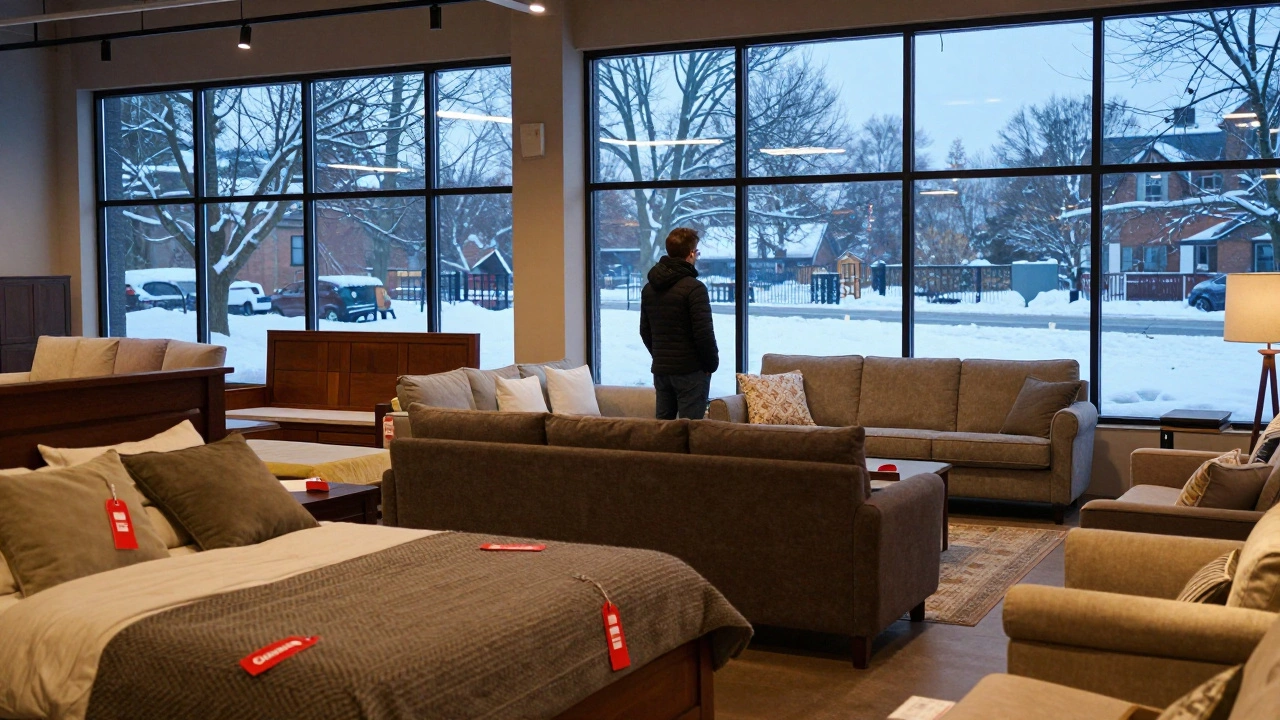
Here is a pro tip that most shoppers ignore: shop at the end of the month. Specifically, aim for the last three business days of the month. Sales associates and store managers work on commissions and monthly quotas. If they are close to hitting their target, they may authorize extra discounts to seal the deal. If they are far behind, they might be too stressed to negotiate. Timing is key-visit mid-afternoon on the last Tuesday or Wednesday of the month.
When you walk in, don’t ask for a discount immediately. Browse, show interest, then mention you’re comparing prices with competitors. Ask if there’s any flexibility on the price, especially if you’re buying multiple pieces. Managers often have discretionary authority to waive delivery fees or throw in free accessories (like cushions or tablecloths) to close the sale.
Online vs. In-Store: Where Do the Best Prices Hide?
The battle between brick-and-mortar and e-commerce affects pricing differently. Online retailers like Wayfair, Amazon, and Overstock operate on thinner margins and use dynamic pricing algorithms. Their prices fluctuate daily based on demand, competitor actions, and inventory levels. For them, the "best day" is often unpredictable, but tracking tools can help.
In-store retailers like IKEA, Ashley HomeStore, or local boutiques rely on physical space constraints. They must clear floor models and warehouse overflow. This makes in-store shopping better for finding unique clearance items that won’t appear online. Plus, you can inspect quality firsthand, avoiding the hidden cost of returns.
If you buy online, use price-tracking extensions like CamelCamelCamel or Honey. Set alerts for specific items. Often, the best deal appears on a random Thursday because the algorithm detected low search volume. There is no human emotion to negotiate with, but data can work in your favor.

Hidden Costs That Ruin Good Deals
A low sticker price means nothing if hidden fees inflate the final total. When calculating whether a "sale" is worth it, factor in these common add-ons:
- Delivery Fees: Can range from $50 to $300 depending on size and location. Always ask if free delivery is included or negotiable.
- Assembly Costs: Flat-pack furniture saves upfront cash but requires time and tools. Professional assembly can cost $100-$200 per item.
- Return Shipping: Online returns for large furniture are notoriously expensive. Some retailers charge restocking fees of 15-20%.
- Financing Traps: "0% APR for 12 months" sounds great, but if you don’t pay off the balance in full by day 180, deferred interest hits you all at once. Read the fine print.
Always compare the total landed cost, not just the product price. A $1,000 sofa with $200 delivery and $100 assembly is effectively a $1,300 purchase.
Pro Tips for Maximizing Your Furniture Budget
Beyond timing, your behavior in the store dictates how much you save. Follow these rules:
- Buy Floor Models: These items are discounted 20-40% because they’ve been sat on or leaned against. Inspect them closely for stains or structural wear, but many are nearly perfect.
- Bundle Purchases: Buying a sofa, coffee table, and TV stand together gives you leverage. Ask for a package deal. Retailers prefer one large transaction over three small ones.
- Check for Open-Box Items: Online retailers often sell returned items as "open-box" or "scratch and dent." These can be 30% cheaper with minimal cosmetic flaws.
- Sign Up for Newsletters: Most brands offer 10-15% off your first order via email. Combine this with a seasonal sale for stacked discounts.
- Be Willing to Walk Away: If the manager says no to a discount, politely leave. Often, they will call you back within ten minutes with a better offer. Desperation works both ways.
Remember, furniture is durable. It doesn’t expire. Patience is your greatest asset. Waiting two weeks for a better price can save hundreds of dollars.
Is Black Friday actually the best time to buy furniture?
Not necessarily. While Black Friday offers high visibility deals, the selection is often limited to older models or discontinued styles. January and post-holiday periods often provide deeper discounts across a wider range of inventory without the crowds. Black Friday is good for specific big-ticket items, but not always the best overall value.
Can I negotiate the price of furniture at big box stores?
Yes, especially on larger items or bundles. While prices at chains like IKEA or Target are fixed, stores like Ashley HomeStore, Rooms To Go, or local dealerships often have room for negotiation. Focus on negotiating delivery fees, assembly costs, or asking for price matching against competitors. End-of-month visits increase your chances of success.
What is the worst time to buy furniture?
The worst times are typically right before major holidays (like Christmas or Easter) when demand peaks and inventory is low. Also, avoid buying garden furniture in spring (April/May) when everyone else is rushing to buy, leading to higher prices and limited stock. Similarly, buying new model releases immediately upon launch means paying premium prices.
Are floor models worth buying?
Floor models can be excellent value, offering 20-40% discounts. However, you must inspect them thoroughly. Check for permanent indentations on cushions, fabric pilling, scratches on wood, or loose joints. Since they’ve been handled by many customers, hygiene and wear are concerns. If the damage is minor and the discount is significant, it’s a smart buy.
How do I track furniture prices online?
Use browser extensions like Honey, CamelCamelCamel, or Keepa. These tools monitor price history and alert you when an item drops below a certain threshold. For major retailers, signing up for email newsletters also provides early access to sales and exclusive coupon codes. Combining price trackers with seasonal knowledge yields the best results.
Does buying in January really save money?
Yes, January is widely considered one of the best months to buy furniture. Retailers are clearing out last year’s inventory to make room for new spring collections. The post-holiday economic slowdown also drives aggressive marketing. You’ll find deep discounts on almost all categories, from bedrooms to living rooms, with fewer crowds than during holiday sales.