Wardrobe vs Closet Decision Tool
Answer these questions to find out which storage option aligns best with your current situation.
Your Recommendation
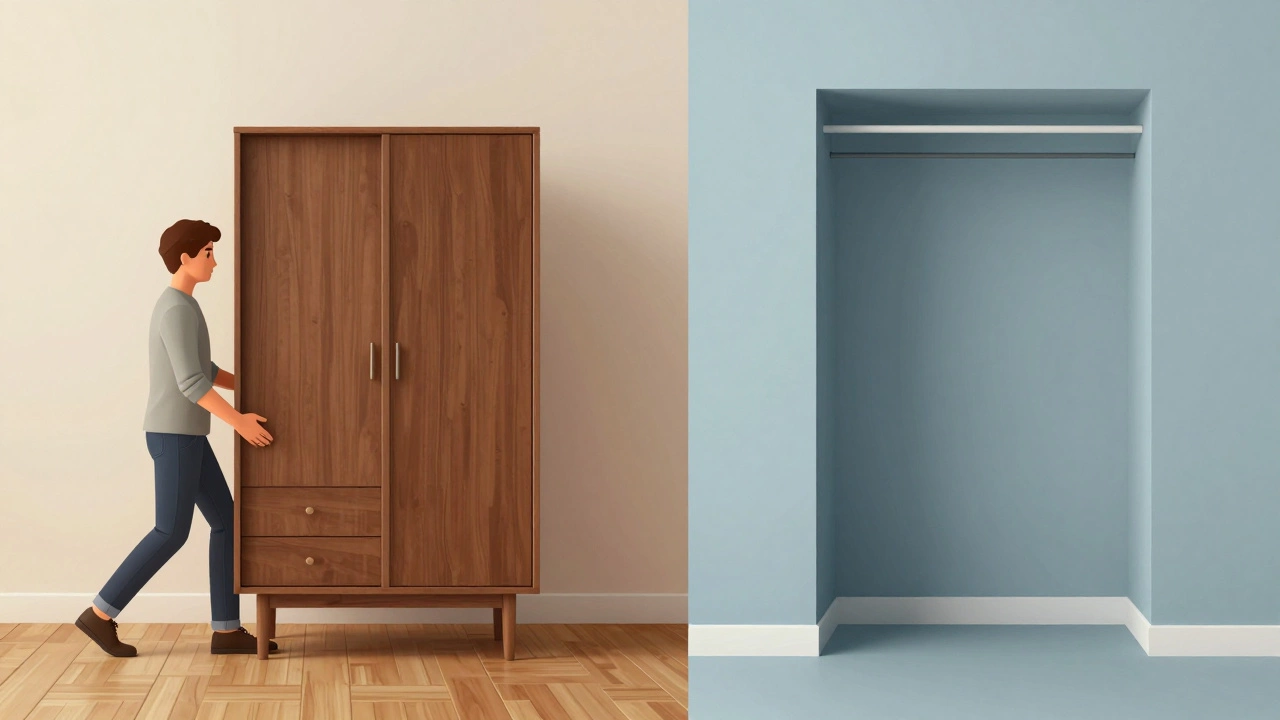
You walk into a real estate listing or browse an online furniture store, and the words wardrobe and closet seem to swap places like they’re interchangeable. But if you’ve ever tried to fit a massive wooden cabinet into a small apartment hallway, or struggled with a flimsy rod in a newly renovated room, you know there’s a distinct difference. One is a piece of furniture you can move; the other is part of the building itself.
So, are wardrobes considered closets? Technically, no. While both serve the exact same purpose-storing your clothes-they differ fundamentally in construction, installation, and flexibility. Understanding this distinction saves you from buying the wrong thing for your space, whether you’re renting a studio in Auckland or renovating a suburban home.
The Core Difference: Furniture vs. Architecture
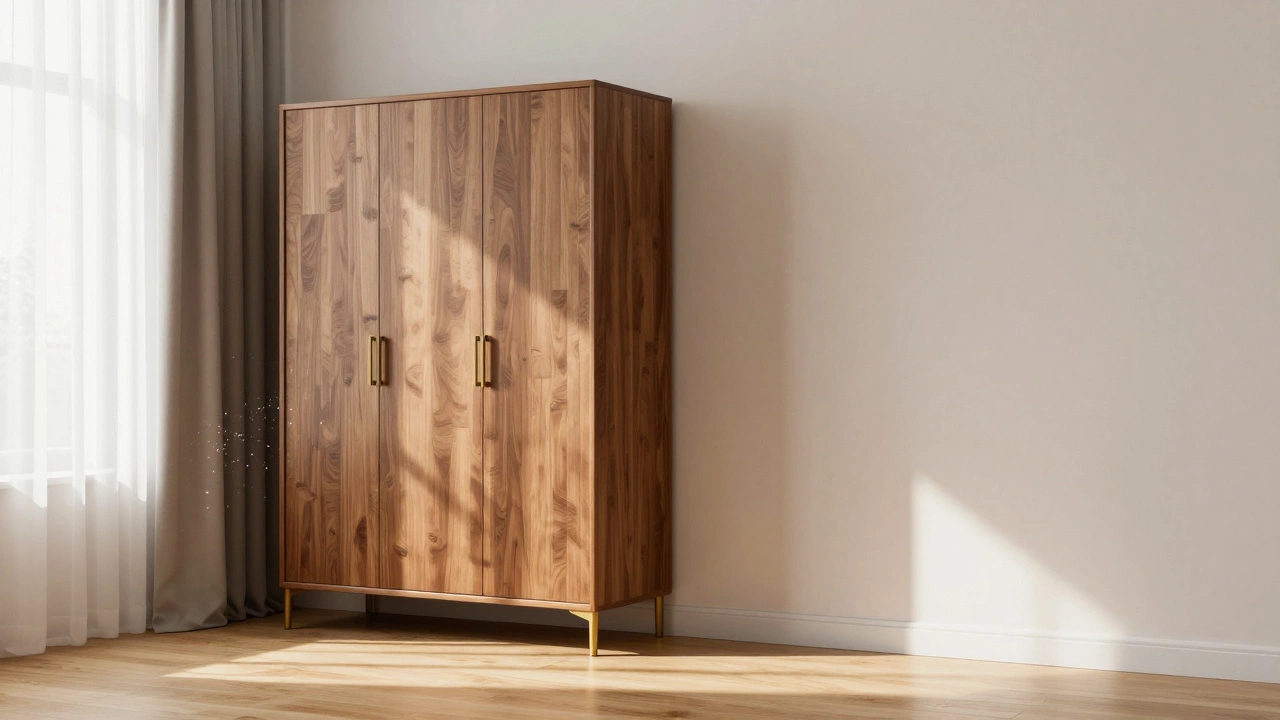
To get straight to the point: a wardrobe is a standalone piece of furniture. It has legs, a back panel, sides, and a top. You can buy it, lift it (with help), and move it to a new house. A closet, on the other hand, is a built-in architectural feature. It is constructed from drywall, plasterboard, or timber framing that becomes part of the walls of your home. You cannot remove a closet without taking down part of the wall.
Is a wardrobe the same as a closet?
No. A wardrobe is a movable piece of furniture, while a closet is a fixed structure built into the walls of a building.
This distinction matters more than just semantics. When you rent an apartment, the landlord owns the closets because they are attached to the property. If you buy a wardrobe, it is your personal asset. In many regions, including New Zealand, when selling a home, built-in closets stay with the house, but freestanding wardrobes can be negotiated separately.
Why the Confusion Exists
If they are different, why do we mix them up? It comes down to function. Both entities provide hanging space for shirts and dresses, shelves for sweaters, and drawers for underwear. From a user experience standpoint, you interact with them identically. You open doors, pull out hangers, and push things back in. This functional overlap leads to linguistic laziness. We call any enclosed space for clothes a "closet" in casual conversation, even if it’s technically a wardrobe.
Additionally, modern design blurs the lines. Many contemporary homes feature "built-in wardrobes," which are essentially closets designed to look like high-end furniture. Conversely, some large wardrobes are so massive and well-fitted that they appear built-in, even though they aren’t structurally connected to the house. This visual similarity fuels the confusion.
Pros and Cons: Wardrobes vs. Closets
Choosing between relying on existing closets or investing in wardrobes depends on your living situation. Let’s break down the practical implications of each.
Advantages of Freestanding Wardrobes
- Portability: If you move frequently, wardrobes come with you. You don’t have to leave your expensive storage behind.
- Aesthetic Control: You can choose the style, color, and material. Want a mid-century modern look in a Victorian house? A wardrobe lets you do that without remodeling.
- No Installation Hassle: Most wardrobes require simple assembly or delivery placement. No contractors, no dust, no permits.
- Flexibility: You can rearrange your room layout easily. Move the wardrobe to another wall if the light hits better that way.
Disadvantages of Freestanding Wardrobes
- Floor Space Usage: Because they need a back panel and structural integrity, wardrobes take up more floor area than a recessed closet.
- Gaps and Dust: Unless perfectly fitted, gaps form between the wardrobe and the wall or ceiling, creating dust traps.
- Cost per Cubic Foot: High-quality solid wood wardrobes are often more expensive than the cost of building a basic drywall closet.
Advantages of Built-In Closets
- Space Efficiency: Closets utilize dead space within walls or alcoves, freeing up floor area for beds or desks.
- Customization: You can install custom shelving, lighting, and organizers tailored exactly to the dimensions.
- Property Value: Homes with ample, well-organized built-in storage often sell faster and for higher prices.
- Clean Lines: They offer a seamless look that makes rooms feel larger and less cluttered.
Disadvantages of Built-In Closets
- Immobility: You can’t take them with you. If you move to a rental with tiny closets, you’re stuck.
- Construction Costs: Adding a closet requires carpentry, electrical work (for lights), and painting. It’s a project, not a purchase.
- Rigidity: Changing the layout means demolition. You can’t decide tomorrow that you want the closet on the opposite wall.
| Feature | Wardrobe | Closet |
|---|---|---|
| Type | Furniture | Architecture |
| Movable | Yes | No |
| Installation | Assembly/Delivery | Construction/Renovation |
| Space Impact | Takes floor space | Saves floor space |
| Ownership | Personal Property | Real Estate Fixture |
| Customization | Limited by manufacturer | Highly customizable |
When to Choose a Wardrobe Over a Closet
Not every home has generous built-in storage. In older apartments, especially in cities like Auckland or London, bedrooms might lack dedicated closet spaces entirely. In these cases, a wardrobe isn’t just an option; it’s a necessity. Even in homes with closets, wardrobes make sense if your current storage is inadequate.
Consider a wardrobe if you are renting. Landlords rarely allow tenants to drill holes for heavy shelving units inside closets, and you certainly can’t build a new one. A sturdy wardrobe respects the lease agreement while providing organization. Also, if you have a specific style vision that clashes with the neutral tones of standard built-ins, a wardrobe acts as a statement piece. Think of it as decor that functions.
Types of Wardrobes and Their Uses
Since wardrobes are furniture, they come in various shapes and sizes, each solving different spatial problems. Knowing the types helps you pick the right one for your "closet needs."
- Sliding Door Wardrobes: Ideal for small rooms where swinging doors would hit a bed or desk. They save clearance space but can be harder to clean tracks.
- Hinged Door Wardrobes: Traditional style. Easier to access all contents at once, but require space for doors to open fully.
- Open Wardrobes/Cubbies: These lack doors entirely. They look like large bookshelves but are designed for clothes. Great for quick access but show clutter instantly.
- Corner Wardrobes: Designed to fit into awkward corner spaces, maximizing unused areas.
Maximizing Storage: Making a Wardrobe Feel Like a Closet
If you rely on wardrobes, you can mimic the efficiency of built-in closets with smart additions. The key is vertical utilization and modular inserts.
First, measure the internal height. Most people waste the top third of their wardrobe. Install additional shelves near the top for off-season clothing or luggage. Second, use double-tiered hanging rods. By placing a second rod below the main one, you double your hanging capacity for shorter items like shirts and jackets. Third, consider drawer units that slide into the bottom section. These keep socks and underwear organized better than loose piles on a shelf.
Lighting also plays a role. Built-in closets often have installed lights. For wardrobes, clip-on LED strips inside the door or along the top shelf illuminate dark corners, making it easier to find what you need without digging through piles.
The Hybrid Approach: Built-In Wardrobes
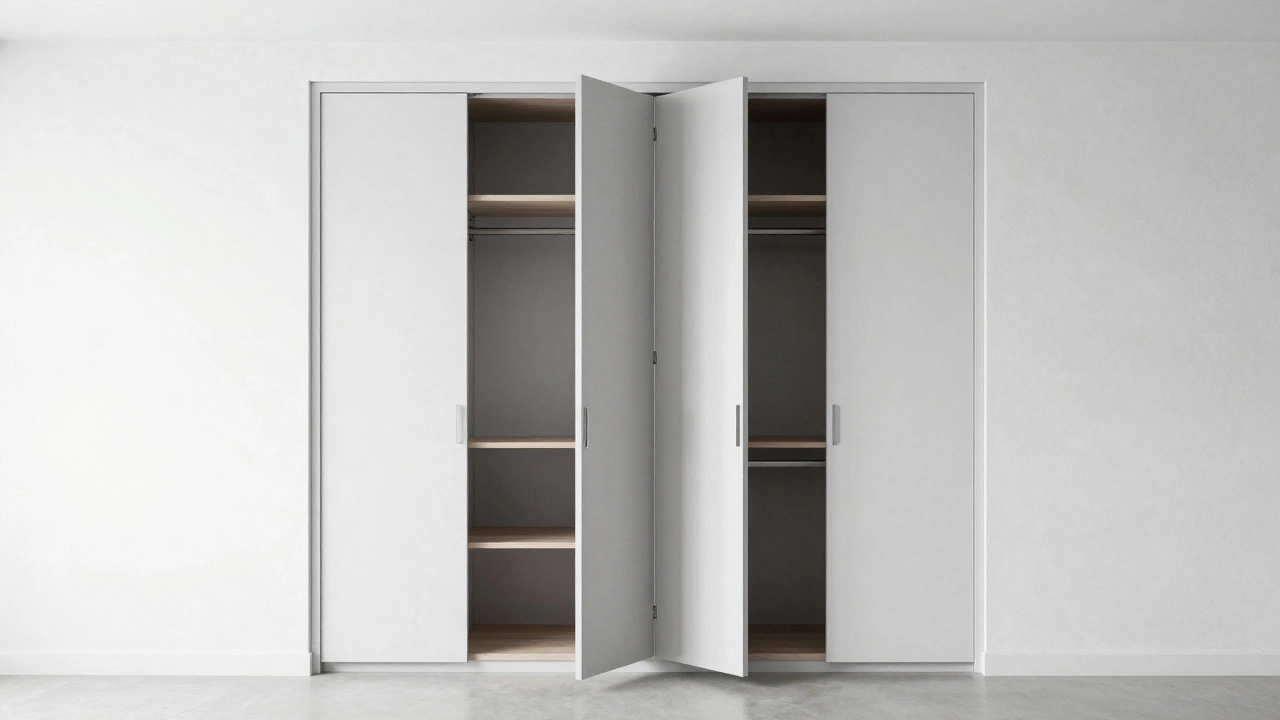
Some homeowners opt for the best of both worlds: built-in wardrobes. These are custom-built structures that look like closets but feature high-end finishes, soft-close hinges, and premium materials typically found in luxury furniture. They are permanently attached to the house but offer the aesthetic appeal and durability of fine cabinetry.
This approach is common in new developments and high-end renovations. It solves the space issue of freestanding wardrobes while avoiding the utilitarian look of basic drywall closets. However, it comes with a significant price tag and lacks portability. If you love this style, ensure it aligns with long-term housing plans.
Common Mistakes to Avoid
One frequent error is buying a wardrobe that is too deep. Standard closet depth is around 60cm (24 inches). Many budget wardrobes are shallower, causing bulky winter coats to bulge out and prevent doors from closing. Always check the internal depth before purchasing. Another mistake is ignoring weight limits. Cheap particle board shelves sag under heavy knitwear. Reinforce shelves with brackets or choose models with metal supports if you store heavy items.
Also, don’t forget ventilation. Clothes need air circulation to prevent mold and odors, especially in humid climates like New Zealand’s. Ensure your wardrobe has vents or leave a small gap at the bottom for airflow. Sealed, plastic-lined wardrobes can trap moisture, leading to mildew on natural fibers.
Final Thoughts on Storage Solutions
While wardrobes and closets share a name in casual speech, they serve different roles in home planning. Closets are about integrating storage into the architecture of your home, saving space and adding value. Wardrobes offer flexibility, style, and ownership, making them perfect for renters or those needing supplemental storage. Neither is inherently better; the right choice depends on your walls, your wallet, and your lifestyle. Assess your space honestly. Measure twice. And remember, whether it’s built-in or bought, good storage changes how you live.
Can I convert a wardrobe into a closet?
You can make a wardrobe look like a closet by removing the back panel and fitting it flush against the wall, then painting it the same color as the surrounding walls. However, it will still be a piece of furniture and won't be structurally integrated.
Which is better for resale value: wardrobes or closets?
Built-in closets generally add more resale value because they are permanent fixtures that buyers expect. High-quality built-in wardrobes also add value, whereas freestanding wardrobes are considered personal property and usually don't impact the home's appraisal.
How much space does a wardrobe take up compared to a closet?
A standard wardrobe takes up floor space equal to its footprint plus clearance for opening doors. A built-in closet is recessed into the wall structure, effectively using zero additional floor space beyond the wall thickness.
Are sliding door wardrobes worth it?
Yes, if you have limited floor space. Sliding doors eliminate the need for swing clearance, making them ideal for small bedrooms or tight layouts. However, they can be slightly less durable than hinged doors over time.
What is the average cost difference between building a closet and buying a wardrobe?
Building a basic drywall closet can cost anywhere from $500 to $1,500 depending on labor and materials. A comparable quality freestanding wardrobe ranges from $300 to $800. Custom built-in wardrobes can exceed $2,000.