Ergonomic Chair Health Checker
Evaluate Your Current Setup
Answer "Yes" if the statement applies to your current chair.
Your Posture Score
Waiting for input...
Select options above to see how your chair impacts your spine health.
You’ve probably felt it before: that dull ache in your lower back after a long day at the desk. You might blame it on "just getting older" or "sitting too much," but the culprit is often right beneath you. The chair you sit in every day can either support your spine or actively work against it. Not all seats are created equal, and some designs are practically guaranteed to wreck your posture over time.
Understanding which chairs are bad for posture isn’t just about avoiding pain; it’s about protecting your long-term spinal health. In this guide, we’ll break down the specific types of chairs that cause problems, why they fail your body, and what features you actually need to look for when upgrading your setup.
The Silent Culprits: Common Chair Types That Damage Posture
When people think about bad chairs, they usually imagine a broken old office seat. But the reality is more nuanced. Several common chair designs, even new ones, force your body into unnatural positions that strain muscles and compress discs. Here are the biggest offenders you should avoid.
Dining Chairs Without Back Support
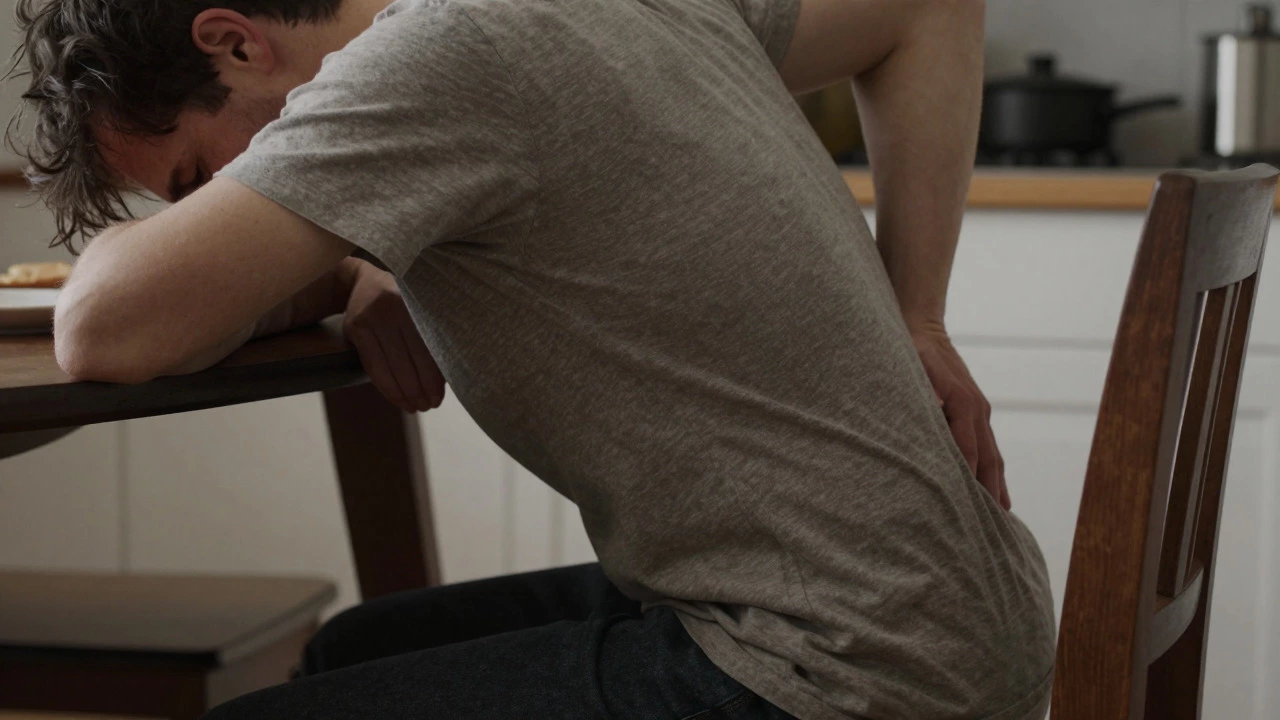
Dining chairs with no backs or very low backs are terrible for prolonged sitting. They offer zero lumbar support, forcing your lower back to arch unnaturally (hyperlordosis) or slump forward. If you’re working from home using the kitchen table, swapping your office chair for a dining chair is a recipe for chronic back pain. Your spine needs continuous support along its natural S-curve, which these flat-backed or backless designs simply don’t provide.
Hard Wooden Chairs
Wooden chairs without cushions seem sturdy, but they lack the give necessary for comfort during extended periods. The hard surface puts excessive pressure on your sit bones (ischial tuberosities), causing discomfort that makes you shift constantly. This constant shifting disrupts focus and often leads to slouching as you try to find a less painful position. Over time, this instability can lead to muscle fatigue in your core and back as your body struggles to maintain balance.
Bean Bag Chairs
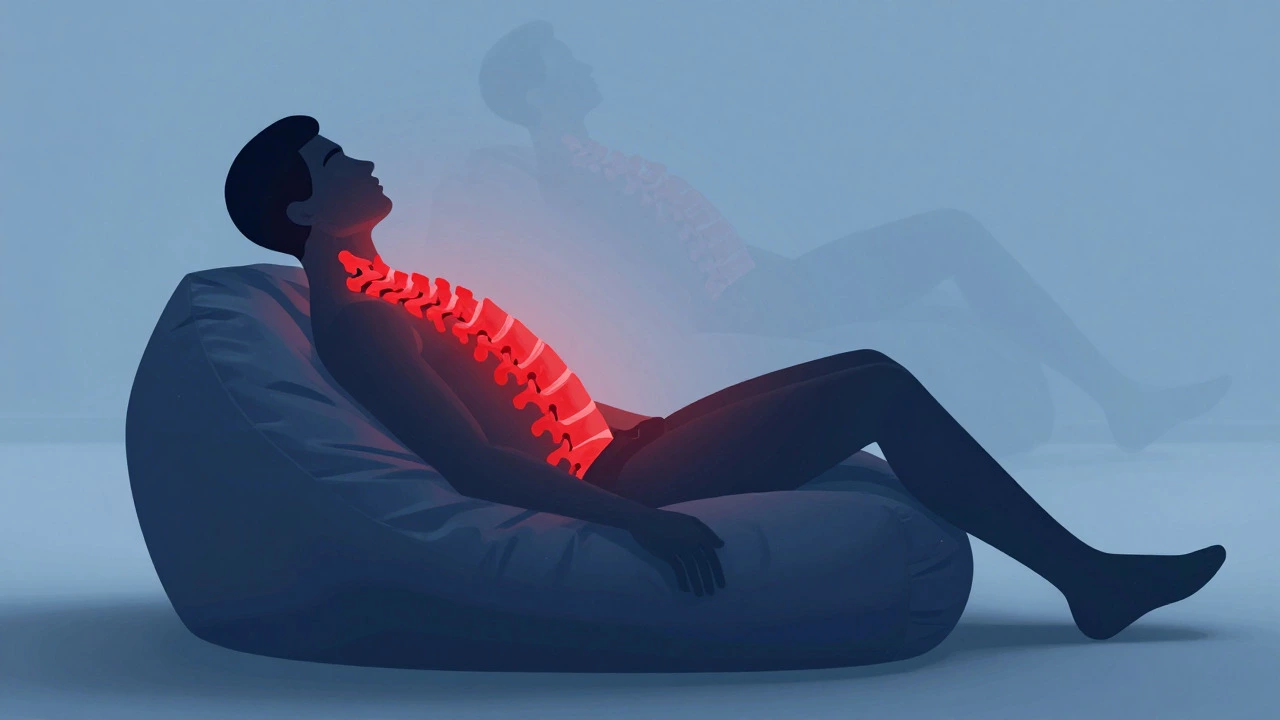
Love sinking into a bean bag chair? It feels cozy, but it’s a posture nightmare. Bean bags conform to your body rather than supporting it. When you sit in one, your hips sink below your knees, rounding your spine into a C-shape. This position compresses your abdominal organs and flattens the natural curve of your lower back. While fine for a quick nap, using a bean bag for reading, gaming, or working for more than 15 minutes will likely leave you stiff and sore.
Standard Office Chairs Without Lumbar Adjustment
This is the most dangerous category because it looks professional but fails functionally. Many budget office chairs have a fixed backrest that doesn’t align with the natural curve of your lower spine. If the lumbar support is too high, too low, or nonexistent, your lower back remains unsupported. This forces your erector spinae muscles to work overtime to keep you upright, leading to muscle spasms and chronic tension. Look out for chairs where the backrest is completely flat or curves outward instead of inward.
Recliners With Poor Ergonomics
Not all recliners are created equal. Cheap recliners often push your knees up higher than your hips, which reduces blood flow and encourages poor spinal alignment. If the headrest is missing or poorly positioned, your neck may crane forward or tilt backward unnaturally. For posture, a recliner should maintain a neutral spine angle, meaning your ears, shoulders, and hips should form a straight line. Most standard living room recliners fail this test, promoting a slumped, relaxed posture that becomes habitual.
Why Bad Posture Happens: The Mechanics of Sitting
To understand why certain chairs are bad, you need to know how your body reacts to them. Your spine has three natural curves: cervical (neck), thoracic (upper back), and lumbar (lower back). These curves act like shock absorbers, distributing weight evenly. When you sit in a chair that doesn’t respect these curves, you disrupt this distribution.
For example, sitting in a chair with no lumbar support causes your pelvis to tilt backward. This flattens the lumbar curve, putting immense pressure on the intervertebral discs. Over time, this can lead to disc degeneration. Similarly, chairs that are too deep force you to slide forward, losing back support entirely, while chairs that are too shallow cut off circulation behind your knees.
| Chair Type | Lumbar Support | Hip-Knee Angle | Posture Risk Level |
|---|---|---|---|
| Ergonomic Office Chair | Adjustable & Contoured | 90-100 degrees (Optimal) | Low |
| Bean Bag Chair | None (Conforms to body) | <90 degrees (Hips lower than knees) | High |
| Hard Wooden Chair | Fixed/Rigid | Varies (Often unstable) | Medium-High |
| Backless Stool | None | 90 degrees (But no back support) | Very High |
| Cheap Recliner | Poorly Positioned | >100 degrees (Knees higher than hips) | High |
Key Features of Chairs That Are Good for Posture
Avoiding bad chairs is only half the battle. You also need to know what to look for in a good one. An ergonomic chair isn’t just about comfort; it’s about active support. Here are the non-negotiable features:
- Adjustable Lumbar Support: This is the most critical feature. The support should be adjustable in height and depth to fit the natural curve of your lower back. It should feel like it’s gently pushing into your waist, not digging in.
- Seat Depth Adjustment: Your thighs should be fully supported, but there should be a gap of about two fingers between the edge of the seat and the back of your knees. This prevents pressure on the popliteal artery.
- Armrest Adjustability: Armrests should allow your elbows to rest at a 90-degree angle with your shoulders relaxed. Fixed armrests often force you to hunch your shoulders or shrug, leading to neck pain.
- Recline Tension Control: A good chair allows you to recline slightly (100-110 degrees) to reduce pressure on your spine. The tension should be adjustable so you can lean back comfortably without feeling like you’re tipping over.
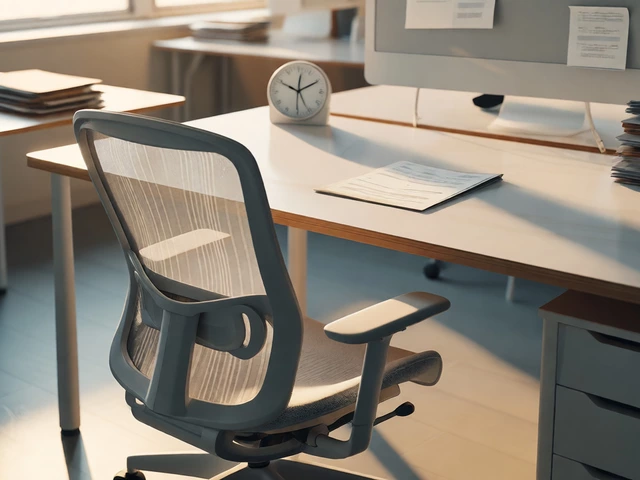
- Breathable Material: Mesh backs allow air circulation, keeping you cool and preventing sweat-induced discomfort that makes you shift around.
The Hidden Dangers of Sitting Too Long
Even the best chair can’t save you if you never get up. Prolonged sitting, regardless of chair quality, is linked to increased risks of cardiovascular disease, diabetes, and obesity. However, sitting in a bad chair accelerates musculoskeletal issues. Studies show that workers in poor ergonomic setups report 40% more back pain incidents than those in optimized environments.
The key is movement. Set a timer to stand up, stretch, or walk for five minutes every hour. This resets your posture, improves blood flow, and gives your spine a break from compression. Think of your chair as a tool for temporary support, not a permanent fixture.
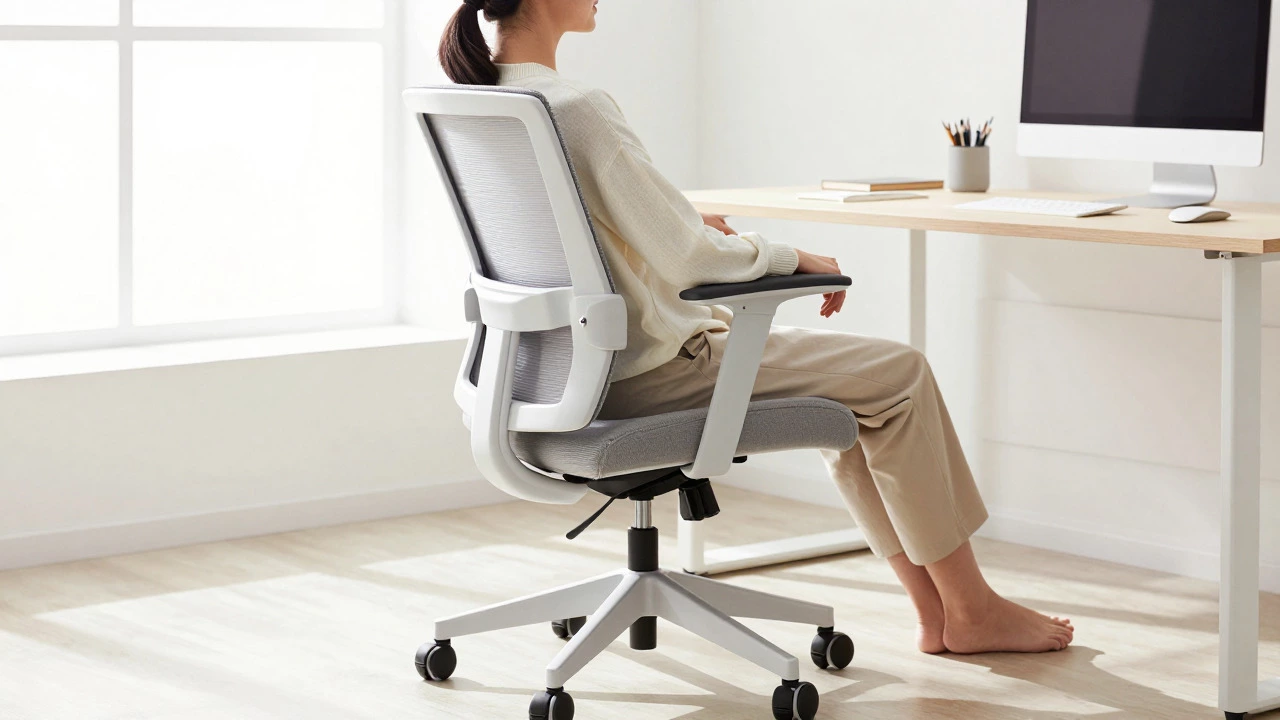
How to Test Your Current Chair
Before buying a new chair, assess your current one. Sit in it and check these points:
- Foot Placement: Can your feet rest flat on the floor? If not, use a footrest. Hanging feet increase pressure on the thighs and lower back.
- Back Contact: Does your lower back touch the chair firmly? If there’s a gap, add a small cushion or towel temporarily.
- Shoulder Position: Are your shoulders relaxed or raised? Raised shoulders indicate poor armrest height or lack of back support.
- Head Alignment: Is your screen at eye level? If you’re looking down, your neck strain is unrelated to the chair but still affects overall posture.
If your chair fails more than two of these checks, it’s time to consider an upgrade. Investing in a high-quality ergonomic chair can cost anywhere from $200 to $1,000+, but it pays for itself in reduced healthcare costs and improved productivity.
Frequently Asked Questions
Are mesh chairs bad for posture?
No, mesh chairs are generally excellent for posture if they have proper lumbar support. Mesh provides breathability and flexibility, allowing the chair to adapt to your movements. However, cheap mesh chairs may sag over time, losing their supportive shape. Look for high-tension mesh with adjustable lumbar controls.
Is a standing desk better than any chair?
Standing desks are great for variety, but standing all day isn’t ideal either. The best approach is alternating between sitting and standing. Even with a standing desk, you’ll need a comfortable chair for breaks. Prolonged standing can cause foot, knee, and hip pain if not managed properly with anti-fatigue mats.
Can I fix a bad office chair with cushions?
Partially. A lumbar cushion can help if the main issue is lack of lower back support. A seat cushion can improve comfort on hard chairs. However, cushions won’t fix fundamental design flaws like improper seat depth, fixed armrests, or poor recline mechanics. If the chair’s structure is wrong, accessories are only a temporary band-aid.
What is the ideal seat height for posture?
Your seat height should allow your feet to rest flat on the floor with your knees at a 90-degree angle. Your thighs should be parallel to the ground. If your feet dangle, raise the chair and use a footrest. If your legs press against the underside of the desk, lower the chair or raise the desk.
Do gaming chairs hurt your posture?
Many gaming chairs promote a reclined, bucket-seat style that can encourage slouching. While some high-end models offer good ergonomics, many prioritize aesthetics over function. They often have fixed lumbar pillows that don’t adjust to individual spine curves. If you use a gaming chair, ensure it has adjustable lumbar support and keep your back upright rather than fully reclined.