Sofa Bed Suitability Calculator
Not all sofa beds are created equal. Use this tool to determine if your current setup supports healthy, long-term daily sleeping.
Imagine coming home after a long day, collapsing onto your living room couch, and realizing you’re going to sleep there again tonight. It happens more often than we’d like to admit. Maybe you live in a studio apartment, maybe you’re saving money on rent by doubling up spaces, or perhaps you just love the convenience of not having a separate bedroom. But here’s the real question: can you sleep every night on a sofa bed without wrecking your back, your budget, or your sanity?
The short answer is yes, but with major caveats. Not all sofa beds are created equal. Sleeping on a cheap, flimsy click-clack model every single night is a recipe for chronic pain and early replacement costs. However, if you choose the right mechanism, the right mattress thickness, and maintain it properly, a sofa bed can absolutely serve as your primary sleeping surface. Let’s break down exactly what makes a sofa bed suitable for nightly use versus those that should stay guests-only.
Why Most Sofa Beds Fail at Daily Sleeping
To understand why some people wake up sore while others sleep soundly, we need to look at the anatomy of a standard sofa bed. Traditional models rely on thin foam mattresses-often less than two inches thick-sandwiched between metal frames. These mattresses are designed for occasional use, meaning they compress under weight for a few hours once a month. When you sleep on them every night, that thin layer breaks down quickly.
The mechanism itself plays a huge role too. Older hinge systems create uneven pressure points. Your hips sink into one spot while your shoulders bridge over another. Over weeks, this misalignment strains your spine. Additionally, many budget sofa beds use particle board for the frame supports. This material swells and weakens when subjected to the constant stress of being opened and closed daily. If you’ve ever heard a creaking sound that sounds like a dying whale, you know what I mean. That noise isn’t just annoying; it’s a sign of structural fatigue.
Then there’s the issue of support layers. A good night’s sleep requires consistent support across your entire body. Standard sofa beds often lack this uniformity because the folding lines create ridges. Even if the mattress looks flat, the underlying slats or bars might be spaced too far apart, causing sagging in the middle. For side sleepers, this is particularly problematic as their shoulders and hips need targeted cushioning to align the spine.
What Makes a Sofa Bed Suitable for Permanent Use
If you’re committed to using a sofa bed as your main bed, you need to upgrade from "occasional guest" specs to "primary sleeper" standards. The first thing to check is the mattress thickness. Look for models offering at least four to six inches of high-density foam or pocket spring construction. Thicker mattresses distribute weight better and resist indentation over time.
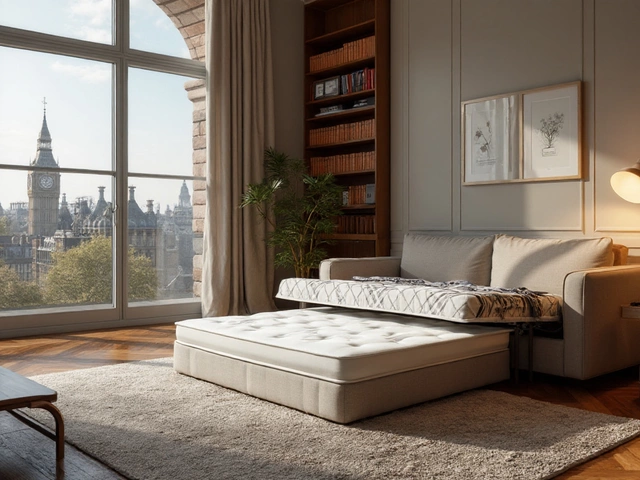
Next, examine the opening mechanism. Pull-out sofas generally offer a smoother, flatter surface than fold-down click-clacks. In a pull-out design, the mattress slides out horizontally, eliminating the awkward folds found in hinged models. Some premium brands even use continuous hinge technology, which removes the center bar entirely, providing a seamless sleeping surface. While these cost more upfront, they save you from buying a new unit every couple of years.
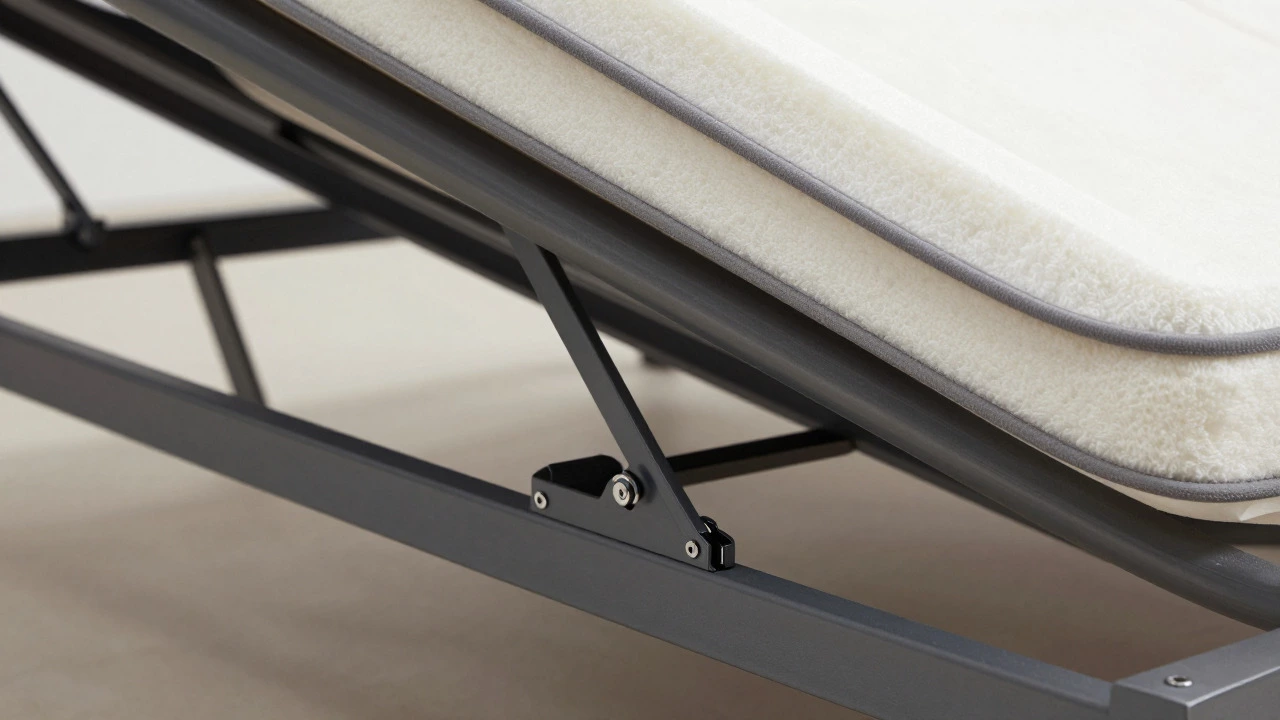
Frame material matters immensely. Steel frames are significantly stronger than wood or particle board alternatives. They don’t warp, crack, or loosen with repeated use. Check the warranty details-if a manufacturer offers a ten-year guarantee on the mechanism, they likely built it to last. Cheap units usually come with one-year warranties, signaling low confidence in longevity.
Finally, consider the base support. Slatted bases with closely spaced slats (no more than three inches apart) provide better airflow and prevent sagging compared to solid boards or wide-spaced bars. Good ventilation also prevents mold and mildew buildup, which is crucial since sofa beds tend to trap heat and moisture due to their enclosed nature during the day.
| Type | Mattress Thickness | Mechanism Durability | Sleep Comfort Rating | Best For |
|---|---|---|---|---|
| Click-Clack Fold-Down | 1-2 inches | Low (plastic hinges) | Poor | Occasional guests only |
| Standard Pull-Out | 3-4 inches | Medium (steel rails) | Fair | Weekly use, small apartments |
| Premium Continuous Hinge | 5-6+ inches | High (reinforced steel) | Excellent | Daily/Permanent use |
Health Impacts of Sleeping on a Sofa Bed Long-Term
Your sleep quality directly affects your physical health, mental clarity, and immune system. Poor support leads to muscle tension, especially in the neck, lower back, and shoulders. Chronic misalignment can cause headaches and reduced mobility. Studies show that spinal alignment during sleep reduces morning stiffness by up to 40%. So, if your sofa bed forces you into a twisted position, you’re paying a biological price every morning.
Allergies are another hidden risk. Sofa beds accumulate dust mites, pet dander, and skin cells faster than regular beds because they’re used as seating during the day. Without proper cleaning, these allergens build up in the crevices of the mechanism and upholstery. If you suffer from asthma or seasonal allergies, this could trigger symptoms. Using hypoallergenic covers and washing removable cushions regularly helps mitigate this issue.
Mental health also takes a hit if you associate your sleeping space with daytime activities. Psychological separation between work/play and rest improves sleep hygiene. If you eat dinner, watch TV, and sleep in the same spot, your brain struggles to switch off. Creating a clear transition ritual-like dimming lights or changing into pajamas specifically for the sofa bed-helps signal to your mind that it’s time to rest.

How to Extend the Life of Your Daily Sofa Bed
Even the best sofa bed needs care. Start by rotating the mattress monthly, just like a regular bed. This ensures even wear and prevents permanent dips. Vacuum the seams weekly to remove debris that grinds into the mechanism. Avoid eating in bed unless you’re meticulous about cleanup-crumbs attract pests and stain fabric permanently.
Use a protective mattress cover. Waterproof and breathable covers shield against spills, sweat, and stains. They’re cheap insurance against costly replacements. Also, invest in a quality pillow and blanket set designed for compact spaces. Thin pillows won’t fill the gap between your head and the armrest, leading to neck strain.
Check the hardware quarterly. Tighten screws, lubricate moving parts with silicone spray, and inspect for rust or bending. Early detection of mechanical issues prevents catastrophic failure. If you hear unusual noises, address them immediately rather than waiting for breakdown.
Consider adding a memory foam topper. A two-inch gel-infused topper adds plushness and contouring support without altering the overall height too much. It transforms a firm, unyielding surface into something closer to a hotel bed. Just ensure the topper has non-slip backing so it doesn’t slide around when you turn during the night.
Alternatives to Consider Before Committing
If your current setup feels unsustainable, explore other options. Futons with thicker tatami-style mattresses offer improved comfort for floor-level sleeping. Daybeds with trundle beds provide dedicated sleeping zones without sacrificing living space. Murphy beds integrate vertically, freeing up floor area completely when open. Each alternative has trade-offs in terms of cost, installation complexity, and aesthetic impact.
For renters, modular furniture allows flexibility. You can rearrange components to create temporary sleeping areas without permanent modifications. Companies specializing in micro-living solutions now produce multi-functional pieces designed explicitly for urban dwellers who maximize limited square footage.
Ultimately, the decision depends on your lifestyle, budget, and health priorities. If you value convenience and space efficiency above all else, a high-quality sofa bed works fine. But if you prioritize deep, uninterrupted sleep, investing in a separate bedroom setup-even a minimalist one-might yield better long-term results.
Is it bad to sleep on a sofa bed every night?
It depends on the quality of the sofa bed. Low-end models with thin mattresses and weak mechanisms can lead to back pain and poor sleep quality over time. High-quality models with thick, supportive mattresses and sturdy frames are safe for daily use. Always prioritize ergonomic design and durable materials if planning long-term use.
What type of sofa bed is best for everyday sleeping?
Pull-out sofa beds with continuous hinge technology and at least five inches of high-density foam or pocket springs are ideal for daily use. These designs eliminate pressure points and provide consistent support. Avoid click-clack models unless they feature reinforced steel frames and extra-thick padding.
How long does a sofa bed last if used every night?
A well-made sofa bed can last five to seven years with daily use. Cheaper models may degrade within two years due to worn-out mechanisms and compressed foam. Regular maintenance, such as tightening hardware and replacing covers, extends lifespan significantly.
Can I improve my sofa bed’s comfort for nightly use?
Yes, add a memory foam topper, use a supportive pillow, and install a waterproof mattress protector. Rotate the mattress monthly and vacuum frequently to maintain hygiene. Upgrading to a higher-quality model initially saves money and discomfort in the long run.
Are there health risks associated with sleeping on a sofa bed?
Poorly supported sofa beds can cause spinal misalignment, resulting in chronic back and neck pain. Allergens trapped in the mechanism may exacerbate respiratory conditions. Mental fatigue can occur if the sleeping environment lacks psychological separation from daytime activities. Choose ergonomic designs and practice good sleep hygiene to minimize risks.