Sofa Bed Placement Planner
Find the best spot for your sofa bed by answering a few quick questions about your space and lifestyle.
Recommended Strategy
Clearance Checklist
Placement Warnings
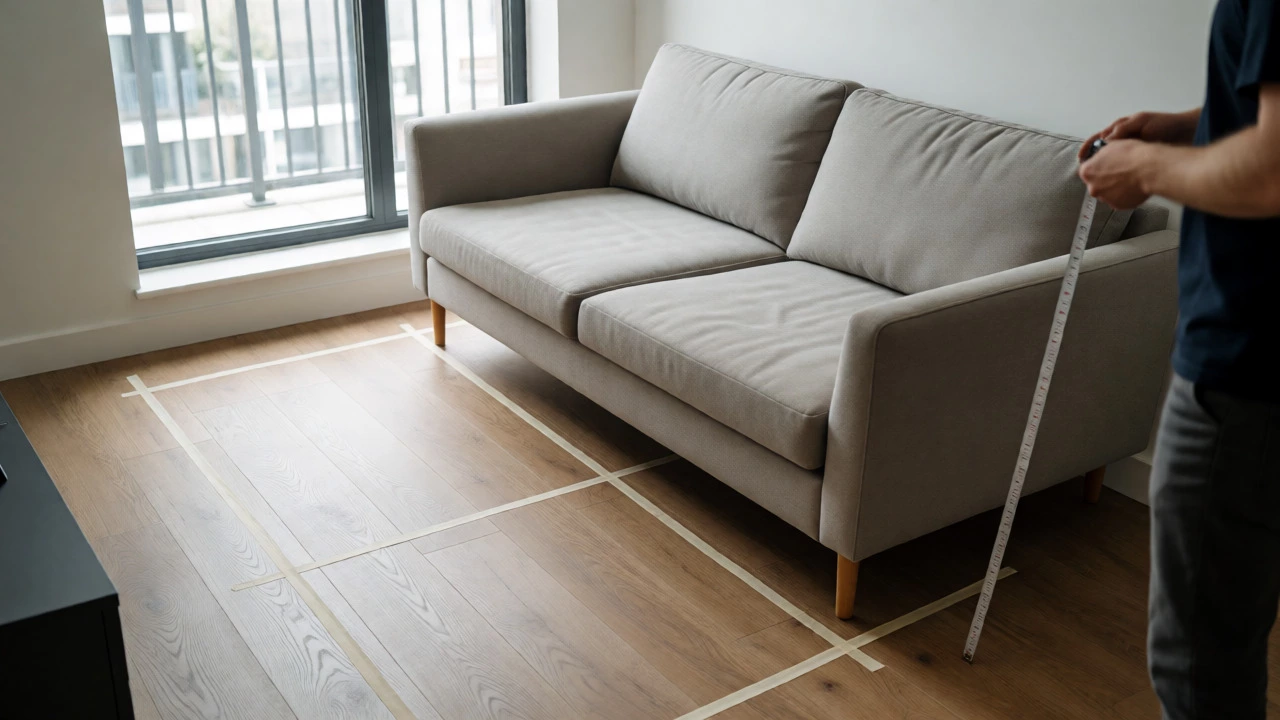
Pro Tip: Always measure the open footprint with masking tape before moving furniture. Remember that mechanisms require extra depth beyond the seat cushion length.
You bought the sofa bed. It’s sleek, it’s comfortable, and you’re ready to reclaim your square footage. But now you’re standing in the middle of your room, staring at an empty wall, wondering: where exactly does this thing go?
This isn’t just about aesthetics. Placing a sofa bed incorrectly can turn a smart space-saving hack into a daily frustration. You might find yourself tripping over footstools when guests arrive, or worse, realizing the mechanism won’t fully extend because it’s jammed against a radiator. Getting the placement right depends on how often you actually use the bed function, who uses it, and what else lives in that room.
The Golden Rule: Measure the Open Footprint
Most people make one critical mistake: they measure the sofa while it’s closed. That’s useless. A standard two-seater sofa bed might be 180cm wide when folded, but once you pull out the trundle or unfold the frame, it could stretch to 200cm long and require another 60-80cm of clearance for the backrest to recline or for someone to walk behind it.
Before you drag anything across the floor, grab a tape measure and mark the open dimensions on the floor with masking tape. Walk around it. Can you open a door without hitting it? Is there enough room to change sheets without doing yoga? If you live in a compact Auckland apartment, every centimeter counts. The National Building Code doesn’t dictate furniture placement, but common sense dictates that you need at least 75cm of clear walking space around major pieces. If your "best place" violates this, it’s not the best place.
The Living Room: The Most Common (But Tricky) Choice
For most homeowners, the living room is the default home for a sofa bed. It makes sense logically-it’s where you spend the day, so why not sleep there? However, this setup requires careful zoning.
If you place the sofa bed against a wall, ensure it’s not the main focal point unless you don’t mind your TV being angled awkwardly during the day. A better strategy is to float the sofa bed slightly off the wall if space permits, creating a visual separation between the "sleeping zone" and the "living zone." This psychological boundary helps guests feel like they have their own space, even in a shared room.
Consider the traffic flow. If your sofa bed sits directly in front of the balcony doors (a common scenario in NZ homes), you’ll block natural light and airflow. Instead, try placing it perpendicular to the window. This allows light to spill across the seating area during the day and provides privacy curtains for sleeping at night. Also, check the power outlets. Do you have a charging station nearby? Your guests will thank you for not making them crawl under a table to plug in their phones.
| Room | Best For | Key Challenge | Placement Tip |
|---|---|---|---|
| Living Room | Daily use & occasional guests | Privacy & clutter management | Use a rug to define the zone; keep bedding hidden in a basket. |
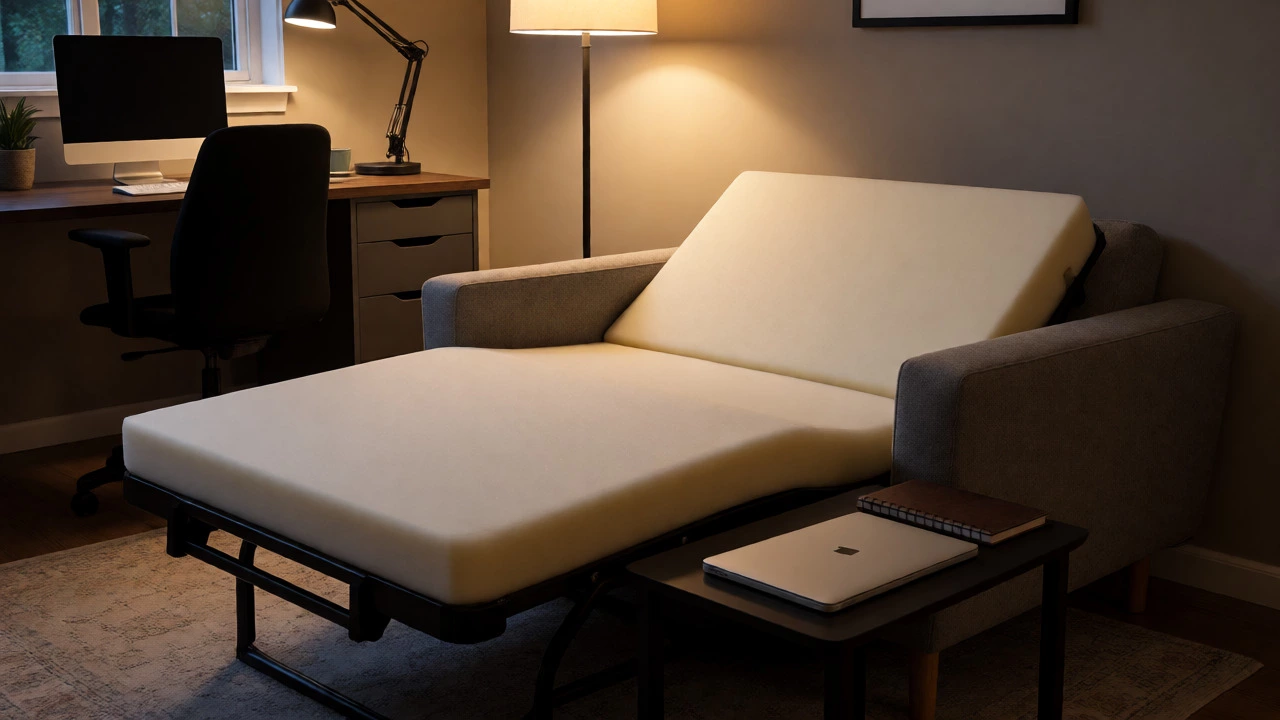
| Home Office | Remote workers & study spaces | Ergonomics vs. Comfort | Ensure the desk chair can still roll freely when the bed is open. |
| Guest Room | Frequent overnight visitors | Limited daytime utility | Pair with a desk or reading nook to maximize dual-use. |
| Studio/Bedroom | Maximizing small spaces | Morning light disruption | Position away from windows if early sun bothers you. |
The Home Office: A Double-Edged Sword
With remote work becoming permanent for many Kiwis, the home office has become the new spare bedroom. Putting a sofa bed here is brilliant for productivity-no more commuting to a hotel after a late meeting. But it comes with a caveat: ergonomics.
If you choose this spot, prioritize a sofa bed with a sturdy frame and high-density foam. Soft, sagging sofas are great for lounging but terrible for working eight hours a day. Look for models specifically designed as "office sofas" or those with lumbar support. Additionally, consider the lighting. Placing the sofa bed directly under a ceiling downlight can create harsh shadows when you’re trying to read or relax in the evening. Try positioning it near a floor lamp instead, allowing for adjustable ambient light.
Another pro tip: keep your work gear separate. If your laptop bag and files are scattered on the sofa bed every night, converting the space to sleep mode becomes a chore. Invest in a small side table or a wall-mounted shelf to store work essentials, keeping the sofa surface clear for rest.
The Guest Room: Maximizing Utility
If you have a dedicated guest room, you might wonder why bother with a sofa bed when you could just have a regular bed? The answer is flexibility. A guest room that sits empty 90% of the year is wasted square footage. By installing a sofa bed, you transform that room into a functional space for the other 364 days.
In this scenario, placement should favor daytime usability. Position the sofa bed facing a window or a view, rather than tucked into a corner. This makes the room feel larger and more inviting when used as a lounge. Add a coffee table that doubles as storage for board games or books. When guests arrive, the transformation is quick, and the room retains its charm as a cozy retreat rather than a sterile bedroom.
However, be mindful of the mattress quality. Since this room is primarily for guests, comfort is non-negotiable. A thin, folding mattress can leave guests feeling achy the next morning. Consider adding a high-quality mattress topper-a thick memory foam layer can bridge the gap between "sofa cushion" and "real bed" without breaking the bank.
Studio Apartments: The Art of Zoning
In studio apartments, there is no "other room." Everything happens in one space. Here, the sofa bed is the anchor of your entire life. Its placement defines your routine.
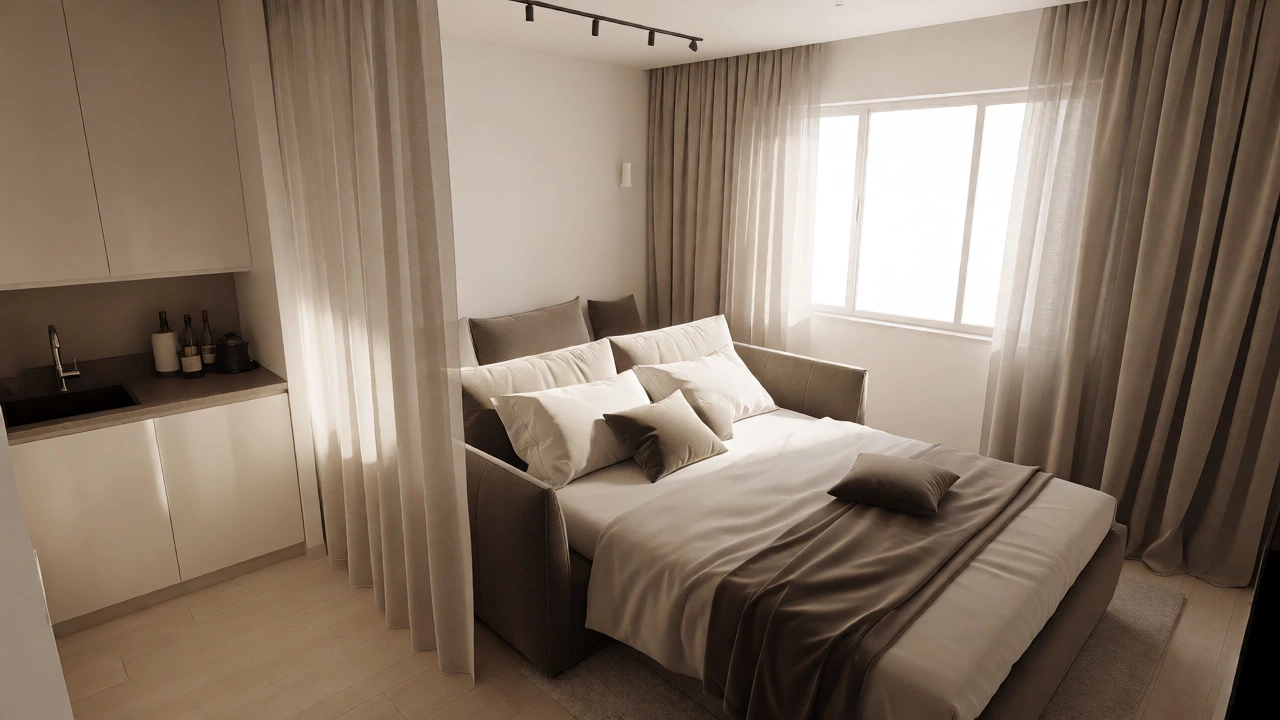
Avoid placing the sofa bed directly opposite the kitchen sink or stove. Cooking smells linger, and waking up to the scent of last night’s garlic isn’t ideal. Instead, try using the sofa bed as a divider. Place it perpendicular to the bed area (if you have a separate sleeping alcove) or use it to separate the living area from the entryway. This creates distinct zones without building walls.
Light control is crucial in studios. If your sofa bed is near a large window, invest in blackout blinds. Morning sunlight in New Zealand can be intense, and having it hit your face at 6 AM when you’re trying to sleep in on a Saturday can ruin your mood. Layered curtains allow you to manage light levels precisely.
Pitfalls to Avoid: What Ruins a Good Placement
Even with the perfect plan, certain mistakes can undermine your setup. First, ignore the heating source. Never place a fabric sofa bed directly against a radiator or heat pump unit. Over time, the heat dries out the fabric and damages the internal mechanisms. Keep at least 15-20cm of clearance.
Second, don’t forget the cleaning access. If you push the sofa bed flush against a wall, you’ll never vacuum behind it. Dust bunnies accumulate, and eventually, you’ll have a hygiene issue. Leave a small gap, or choose a model with legs that allow easy access underneath.
Finally, consider the noise. Some sofa beds click or creak when opening. If your bedroom is next door, placing the sofa bed against a shared wall might disturb your partner or housemates. Test the mechanism before finalizing the spot.
Final Thoughts: Match Placement to Lifestyle
There is no single "best" place for a sofa bed. The right spot depends entirely on your habits. If you host friends weekly, prioritize privacy and ease of conversion in the living room. If you work from home, prioritize ergonomics and lighting in the office. If you live alone in a studio, prioritize zoning and light control.
Start by mapping your daily movements. Where do you naturally gravitate? Where do you need silence? Let your lifestyle dictate the furniture, not the other way around. With thoughtful placement, a sofa bed stops being a compromise and starts being the most versatile piece of furniture in your home.
Can I put a sofa bed in a rental property?
Yes, absolutely. Many landlords prefer tenants who maintain furniture well. Just ensure you check the lease agreement regarding modifications. Using felt pads under the legs protects hardwood floors, which is often a requirement for getting your bond back. Choose a freestanding model that doesn't need wall anchoring if possible.
How much clearance do I need for a sofa bed?
You need enough space for the bed to fully extend plus walking room. Typically, add 10-15cm to the total length for the mechanism and 60-75cm on all sides for walking. Always test the full extension in the store or at home with tape before committing to the location.
Is a sofa bed good for daily sleeping?
Modern high-end sofa beds with pocket spring or high-density foam mattresses can handle daily sleeping. However, cheaper models may sag over time. If you sleep on it nightly, look for a model rated for "daily use" and rotate the mattress regularly to prevent uneven wear.
Should the sofa bed face the TV?
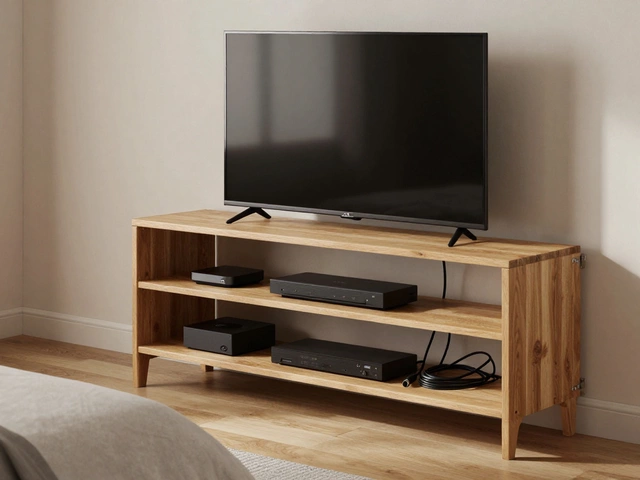
It depends on usage. If it's primarily a living room seat, yes. If it's primarily a guest bed, orientation matters less. In small rooms, facing the TV can save space, but ensure the screen isn't too close to cause eye strain when seated.
How do I hide the bedding in a small room?
Use a storage ottoman or a bench with lift-up lids. Alternatively, choose a sofa bed with built-in storage under the seat cushions. For a stylish touch, keep bedding in a woven basket that matches your decor, placed next to the sofa bed.