Wicker Basket Pest Risk Calculator
Answer these questions to determine how likely your wicker baskets are to attract pests like silverfish, beetles, and ants.
Your Risk Score
Recommended Prevention Tips
There is nothing worse than finding a nest of insects inside your favorite storage basket. You bought that beautiful woven piece to keep your home looking tidy, but now you are worried it might be harboring unwanted guests. If you have ever wondered whether wicker baskets attract bugs, you are not alone. It is a common concern for anyone who loves the natural look of woven furniture and storage solutions.
The short answer is yes, they can. But it is not because the material itself calls out to pests like a dinner bell. Instead, it is usually about how the basket is made, where it sits, and how well you take care of it. Understanding the difference between natural and synthetic materials is the first step to keeping your home bug-free.
Natural vs. Synthetic: The Material Matters
To understand why bugs might show up, we need to look at what these baskets are actually made of. There is a big difference between natural rattan or willow and modern synthetic alternatives.
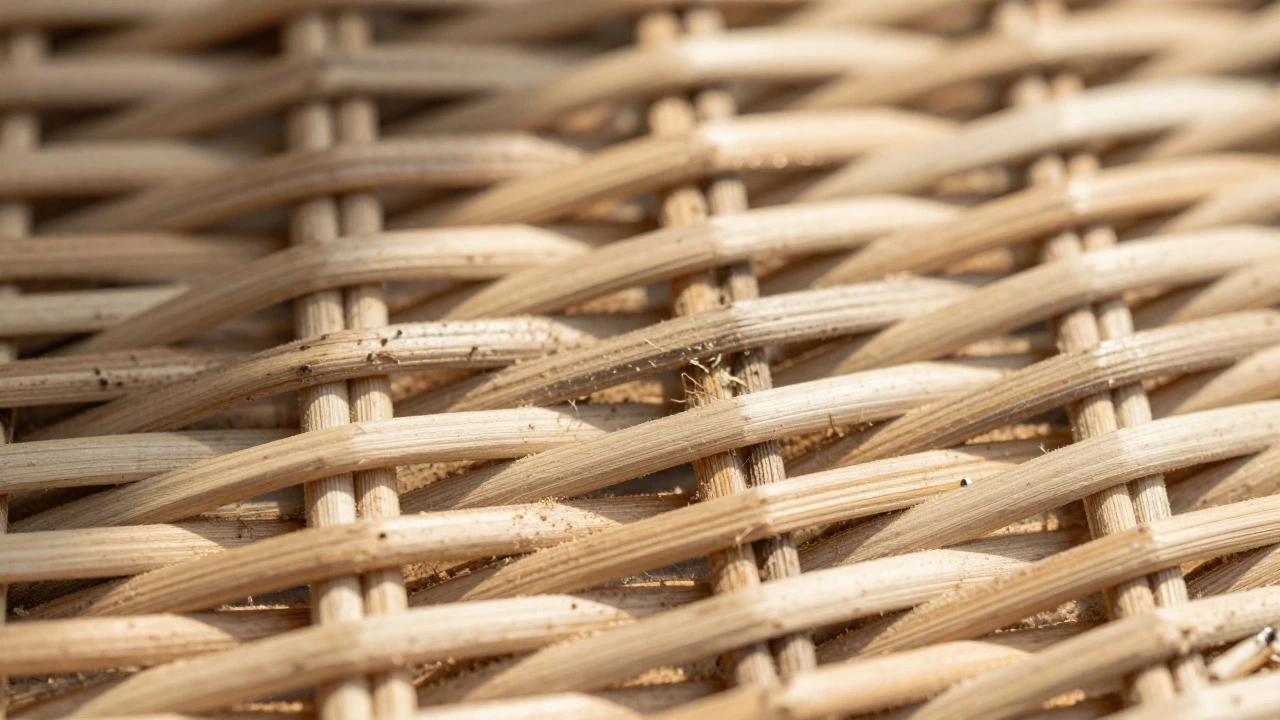
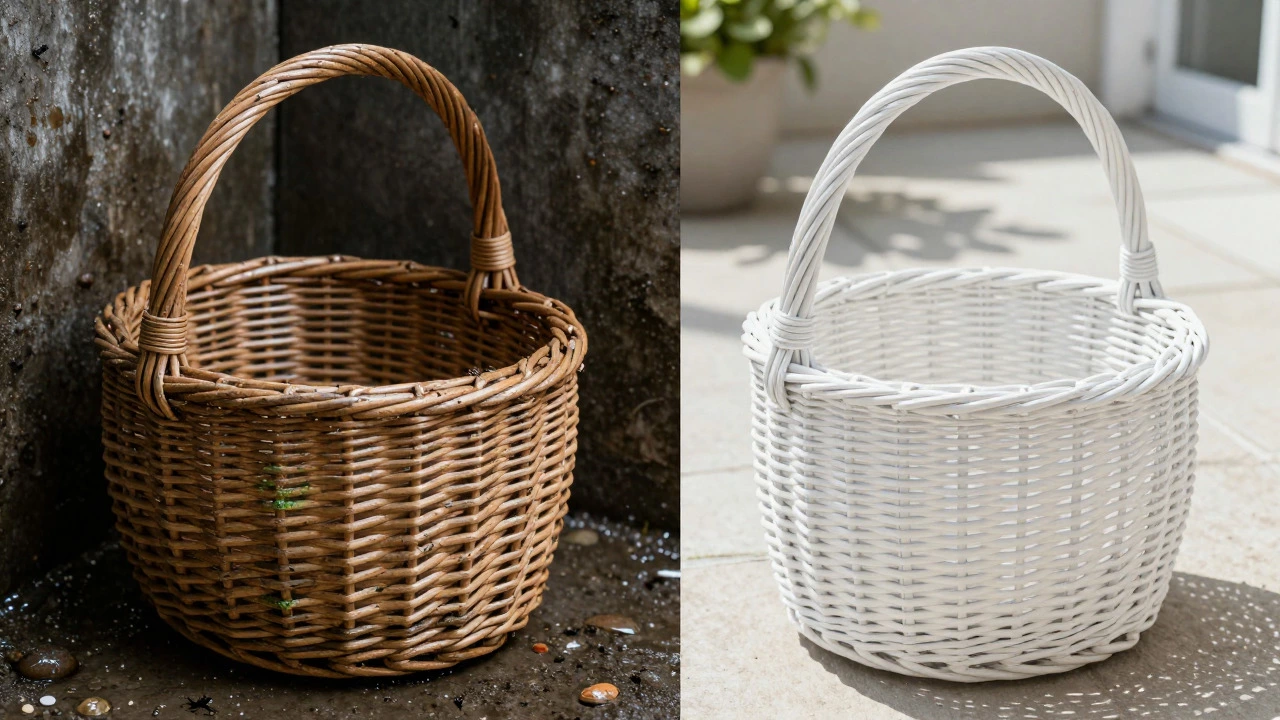
Natural wicker is a weaving material made from renewable resources like rattan cane, reed, willow, or bamboo. Because it is organic, it retains some of its natural sugars and fibers. Insects like silverfish, carpet beetles, and even termites (in extreme cases) feed on cellulose. If a basket is left untreated or unfinished, it becomes a potential food source. Think of it like leaving a slice of bread out on the counter; eventually, something will come to eat it.
On the other hand, Synthetic wicker is a man-made material usually crafted from polyethylene resin designed to mimic the look of natural weave. Plastic does not contain cellulose. Ants might march across it if they are heading somewhere else, but they will not eat it. For people living in humid climates or areas with high pest activity, synthetic options are often the safer bet for outdoor use.
| Feature | Natural Wicker (Rattan/Willow) | Synthetic Wicker (Polyethylene) |
|---|---|---|
| Bug Attraction Risk | Moderate to High (if untreated) | Very Low |
| Food Source for Insects | Yes (Cellulose/Sugars) | No |
| Moisture Resistance | Low (Can warp/mold) | High |
| Aesthetic Appeal | Rustic, Organic, Warm | Clean, Uniform, Modern |
| Lifespan Outdoors | Short (1-2 seasons) | Long (5+ years) |
The Hidden Danger: Moisture and Mold
Bugs are rarely the only problem with wicker. Often, moisture is the real culprit. When natural wicker gets damp, it creates the perfect environment for mold and mildew. This fungal growth attracts a secondary wave of pests. Silverfish love damp, starchy environments. Earwigs seek out dark, moist hiding spots. So, while the basket itself might not scream "dinner time," the mold growing inside it definitely does.
If you live in a place with high humidity, like coastal regions or tropical areas, this risk increases. A basket stored in a damp basement or an uncovered patio corner is asking for trouble. The weave traps air, which is great for insulation but terrible for drying out quickly. If water gets trapped inside the hollow center of the weave, it stays there for days, creating a mini ecosystem for bugs.
Common Pests Found in Wicker Storage
Not all bugs are created equal. Some are just passing through, while others decide to make your basket their permanent home. Here are the most frequent uninvited guests:
- Silverfish: These slender, silvery-gray insects thrive in dark, humid places. They eat paper, glue, and starch. If you store old letters or magazines in a natural wicker basket, you are inviting them in.
- Carpet Beetles: Their larvae feed on natural fibers like wool, cotton, and silk. If your basket holds blankets or clothes, check for tiny holes in the fabric. The beetles might be nesting in the crevices of the wicker.
- Ants: Ants are explorers. They do not necessarily want to live in your basket, but they will use it as a highway if it provides shelter from rain or predators. If you see a line of ants marching over the rim, they are likely traveling to a food source nearby, not eating the basket itself.
- Spider Mites: These microscopic pests can infest plants stored near wicker furniture. They spread easily through the tight weave of the material.
How to Keep Bugs Away: Prevention Tips
You do not need to throw away your beloved wicker pieces to avoid bugs. With a few simple habits, you can keep them clean and pest-free. Prevention is always easier than extermination.
- Inspect Before You Buy: When shopping for new wicker furniture or baskets, run your fingers along the underside and inside the weave. Look for tiny holes, sawdust-like dust (frass), or webbing. These are signs of existing infestation. Do not bring those problems into your home.
- Keep It Dry: Never store natural wicker in damp areas without ventilation. Use silica gel packets inside storage baskets to absorb excess moisture. If you spill something, wipe it up immediately and let the basket air dry completely before putting items back in.
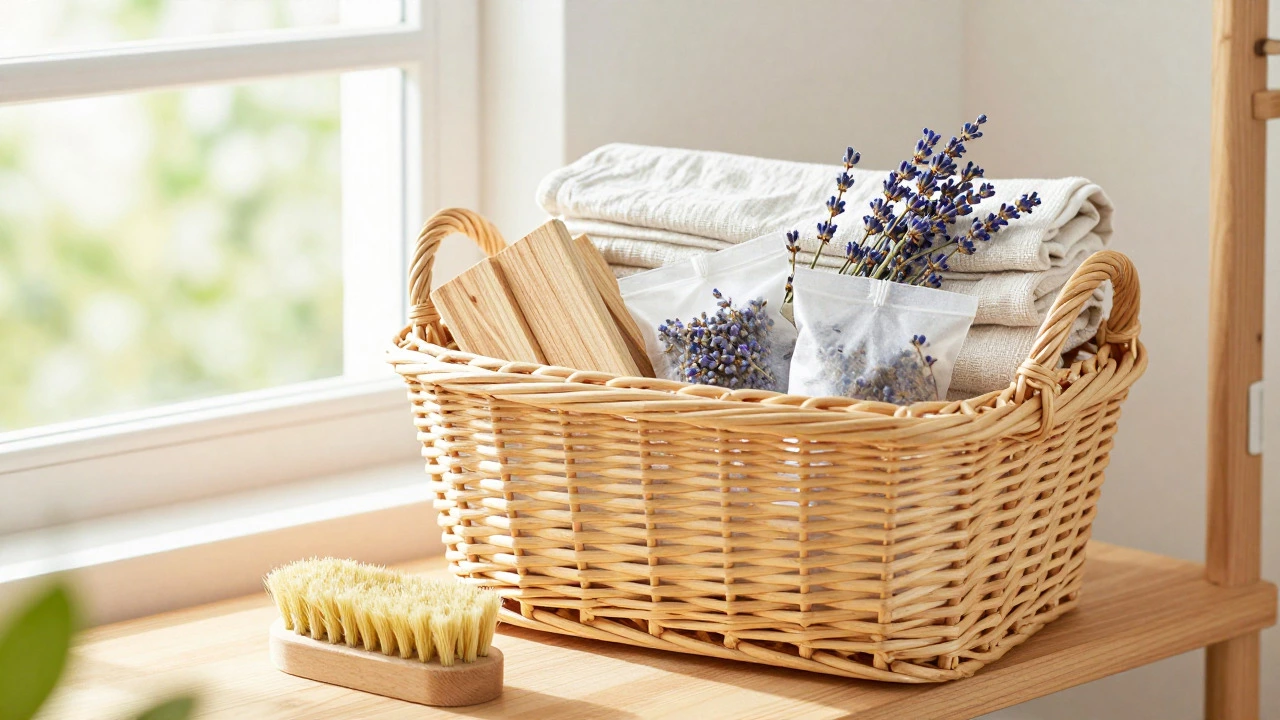
- Use Natural Repellents: Place cedar blocks, lavender sachets, or cloves inside your baskets. These scents are pleasant to humans but repel many common household pests. Cedar wood contains natural oils that deter moths and beetles effectively.
- Rotate Your Items: Do not leave heavy items sitting in one spot for months. Rotate blankets, pillows, and stored goods regularly. This disrupts any potential nesting sites and allows air to circulate through the weave.
- Seal the Deal: Consider applying a clear sealant or varnish specifically designed for natural fibers. This creates a barrier that makes the cellulose less accessible to hungry insects. Just ensure the product is safe for indoor use if you plan to store food or children's toys nearby.
Cleaning Your Wicker Without Causing Damage
Cleaning is part of prevention, but you have to do it right. Too much water ruins natural wicker, causing it to become brittle or moldy. Too little cleaning leaves behind crumbs and residues that attract ants.
Start by vacuuming the basket with a brush attachment. Get into every nook and cranny to remove dust, hair, and loose debris. This removes the food sources that attract pests. Next, mix a solution of mild dish soap and warm water. Dip a soft cloth or sponge into the mixture, wring it out until it is barely damp, and gently wipe down the surface. Avoid soaking the material.
For deeper stains or suspected pest areas, you can use a diluted vinegar solution. Vinegar is a natural disinfectant and deodorizer. However, always test a small, hidden area first to ensure it does not discolor the finish. After cleaning, place the basket in a sunny, well-ventilated area to dry completely. Sunlight is a powerful tool against mold and bacteria.
When to Choose Synthetic Over Natural
If you are tired of worrying about bugs, moisture, and maintenance, synthetic wicker might be the better choice for your lifestyle. It is particularly ideal for outdoor garden furniture, poolside chairs, and high-traffic indoor areas.
Synthetic wicker is UV-resistant, meaning it won't fade or crack under the sun. It is also waterproof, so you don't have to rush to cover it when it rains. From a pest perspective, it is virtually immune. No insect eats plastic. While it lacks the rustic charm of natural rattan, its durability and low maintenance make it a practical alternative for many homeowners.
However, if you prefer the authentic look and feel of natural materials, stick to natural wicker but commit to the care routine. Store it indoors during harsh weather, keep it dry, and inspect it regularly. The trade-off is worth it for the aesthetic warmth natural fibers bring to a space.
Summary of Best Practices
Keeping your wicker baskets bug-free comes down to three things: material awareness, moisture control, and regular maintenance. By choosing the right type of wicker for your environment and treating it with care, you can enjoy the beauty of woven designs without the stress of pests. Remember, a clean, dry basket is a happy basket-and one that stays empty of unwanted guests.
Do silverfish eat wicker baskets?
Yes, silverfish can eat natural wicker baskets. They feed on cellulose, which is found in the plant fibers used to make rattan, willow, and reed baskets. They are attracted to the natural sugars and starches remaining in the untreated material, especially if the basket is kept in a dark, humid environment.
How do I get rid of bugs in my wicker furniture?
First, vacuum the entire piece thoroughly to remove eggs and debris. Then, wash it with a mild soap and water solution using a damp (not wet) cloth. Let it dry completely in direct sunlight. For persistent infestations, you can spray the affected areas with a mixture of white vinegar and water, or use a natural repellent like cedar oil. If the infestation is severe, consider consulting a professional pest control service.
Is synthetic wicker resistant to bugs?
Yes, synthetic wicker is highly resistant to bugs. Since it is made from polyethylene resin (plastic), it does not contain cellulose or natural sugars that insects feed on. While ants may walk across it, they will not nest in or eat the material itself, making it a safer option for outdoor use.
Can I put mothballs in my wicker basket?
You can, but it is not recommended for indoor use due to the strong chemical smell and potential toxicity to pets and children. Mothballs release fumes that can linger in porous materials like wicker. Better alternatives include cedar blocks, lavender sachets, or dried herbs like rosemary and cloves, which naturally repel pests without harsh chemicals.
Should I seal my natural wicker baskets?
Sealing natural wicker is a good idea if you want to protect it from moisture and pests. A clear acrylic sealer or varnish designed for natural fibers creates a protective barrier that reduces the accessibility of cellulose to insects and prevents water absorption. Ensure the sealant is non-toxic if the basket will be used for storing items that touch skin or food.