Winter Patio Furniture Survival Checker
Select your furniture material and local climate to get a survival recommendation.
Please select a climate and a material above.
💡 Pro Tip for Longevity
Even weatherproof frames need care. Always check cushions separately—they rarely survive snow accumulation.
There is nothing quite like the sound of hail hammering against a plastic chair you forgot to bring inside. If you live in a place with distinct seasons-or even just a particularly wet and windy Auckland winter-you have probably wondered if your expensive teak dining set or that cute rattan bistro pair can actually survive the cold months without turning into moldy mush or splintered firewood.
The short answer? It depends entirely on what your furniture is made of. Some materials are basically built for abuse; others will fall apart if left out for more than a week. Let’s break down exactly which pieces can stay outside, which ones need a cozy indoor home until spring, and how to keep them looking good when the sun finally returns.
Materials That Love the Cold (Mostly)
Some materials are tough enough to handle freezing temperatures, snow, and rain without much fuss. These are your best bets if you hate dragging heavy furniture in and out of the garage every time the forecast changes.
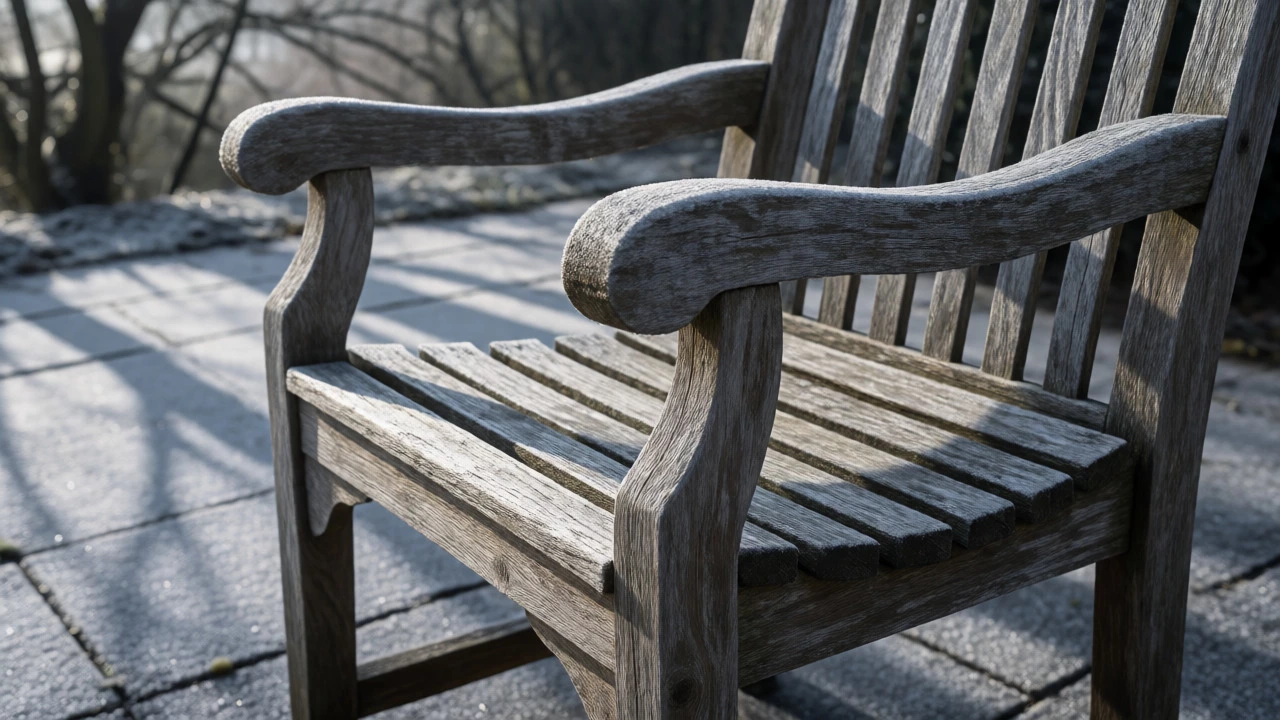
Teak is the gold standard for outdoor durability. Unlike other woods, teak contains natural oils that repel water and resist rot. You can leave it outside all year. Sure, it will turn a silvery-gray color over time (that’s the patina), but structurally, it stays solid. If you want to keep its golden-brown hue, you’ll need to oil it regularly, but leaving it unsealed is perfectly fine for survival.
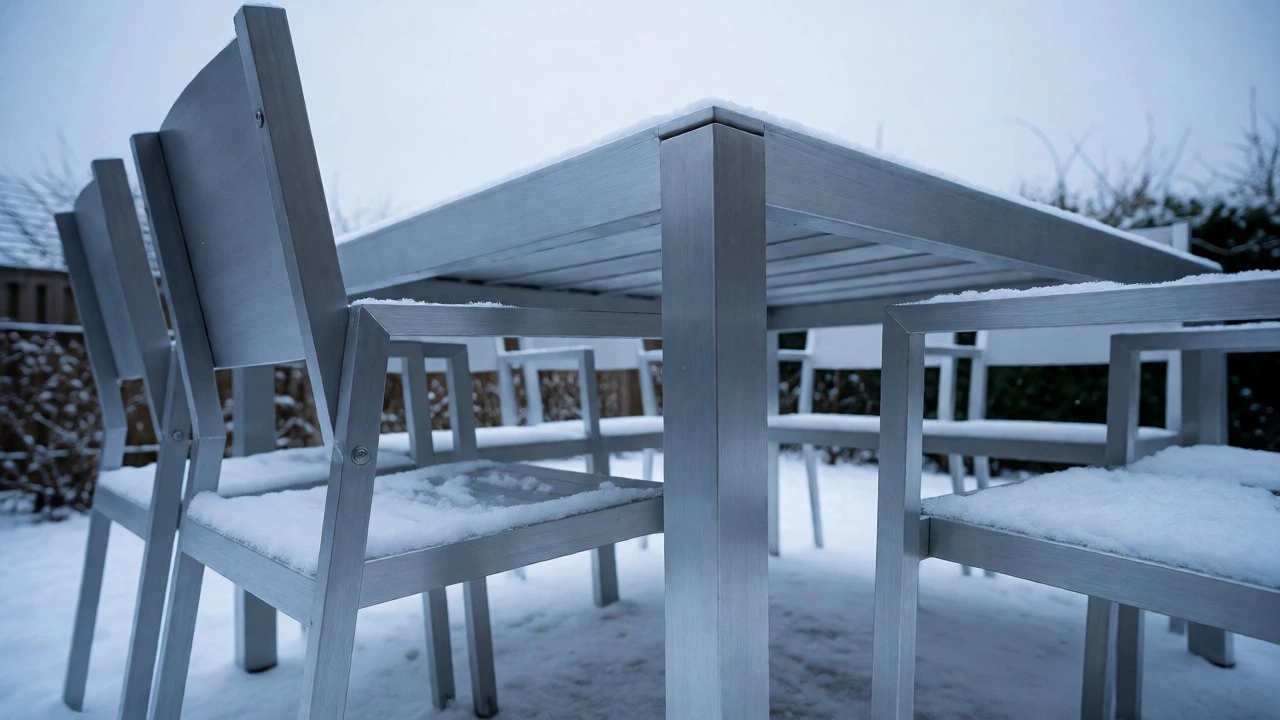
Aluminum is another winner. High-quality powder-coated aluminum doesn’t rust. The coating protects the metal from moisture and UV rays. Just check for chips in the paint-if the bare metal is exposed, it might oxidize, but it won’t corrode away like cheap iron. It’s lightweight, so secure it during storms, but otherwise, it’s happy outside.
HDPE Wicker (High-Density Polyethylene) is synthetic rattan. Real wicker hates water; HDPE loves it. It’s waterproof, UV-resistant, and won’t crack in the freeze-thaw cycle. As long as the frame underneath is aluminum or stainless steel, this stuff is virtually indestructible. If the frame is iron, watch out for rust spots where the weave has worn thin.
Materials That Need Indoor Shelter
If your furniture falls into these categories, do not gamble with the weather. The cost of replacement far outweighs the hassle of moving it into a shed, garage, or spare room.
Eucalyptus and Acacia are popular budget-friendly woods. They look great initially, but they lack the dense grain and natural oils of teak. In damp, cold conditions, they absorb water, swell, and then crack when they dry out or freeze. Mold is also a huge risk. Bring these inside or cover them tightly with breathable covers-never plastic, which traps moisture against the wood.
Wrought Iron is beautiful but high-maintenance. Unless it’s galvanized and heavily coated, iron rusts fast when exposed to constant moisture. Even if it’s painted, scratches from winter winds or debris can expose raw metal. Once rust starts, it spreads under the paint. Store it indoors or in a dry, ventilated area.
Resin Plastic seems tough, but extreme cold makes it brittle. While mild winters are okay, hard freezes can cause cheap resin chairs to snap under their own weight or if someone sits on them. UV exposure also fades colors significantly over years of outdoor living. If you live in a zone with harsh winters, store it.
The Cushion Conundrum
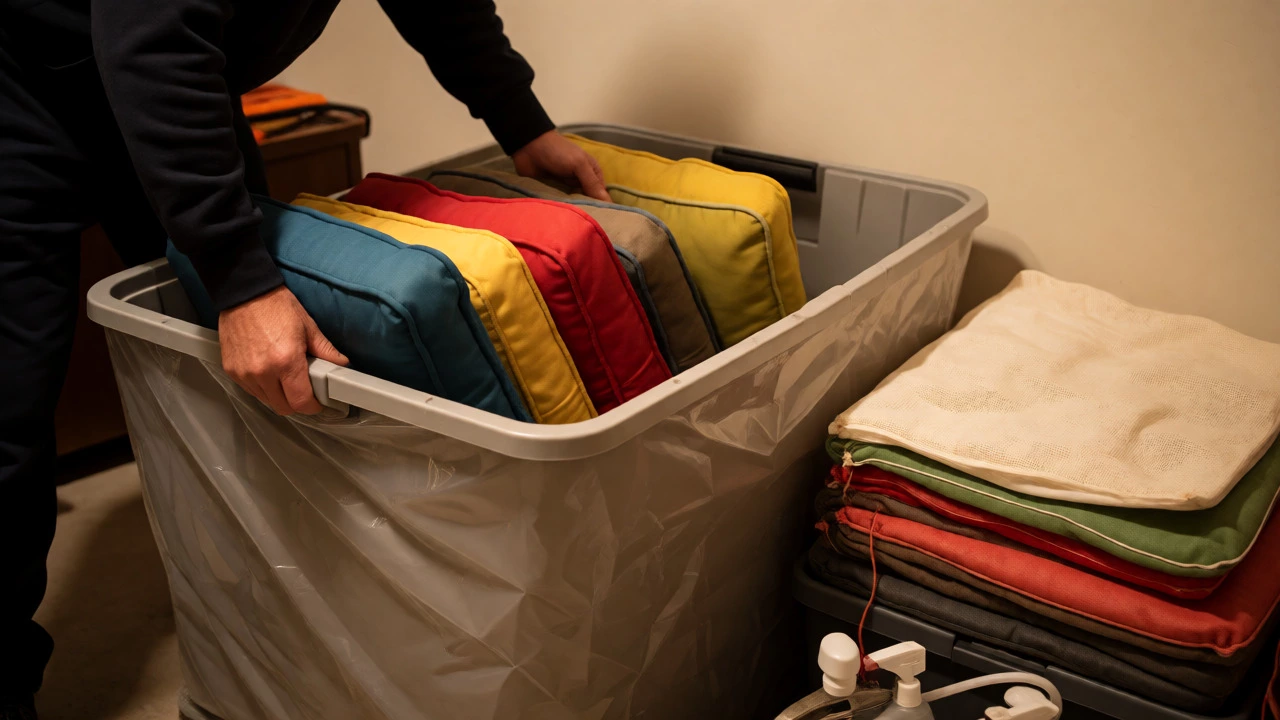
Even if your frame is weatherproof, the cushions usually aren’t. Most "water-resistant" fabrics are just treated cotton or polyester blends that soak up water eventually. When that water freezes, it expands, destroying the foam inside. You end up with flat, soggy lumps instead of comfy seats.
Here is the rule of thumb: If the cushion says "water-resistant," take it inside. If it says "waterproof" and has quick-dry foam, you might get away with leaving it out during light rain, but still avoid snow accumulation. Always store cushions in a sealed bin or bag to keep them clean and dry. Sunflower seeds and bird droppings love an uncovered cushion left out for three months.
How to Prep Your Furniture for Winter Storage
You don’t just toss things in the garage and hope for the best. A little prep work now saves you hours of scrubbing in September.
- Clean thoroughly: Scrub off dirt, pollen, and bird mess. Grime holds moisture and accelerates decay. Use mild soap and water for most materials. For teak, use a specialized cleaner if you want to reset the color.
- Dry completely: This is critical. Never store damp furniture. Let it air dry for at least 24-48 hours after cleaning. Trapped moisture equals mold.
- Inspect and repair: Tighten loose screws, touch up paint chips on metal, and sand down rough spots on wood. Fix small issues now before they become big cracks later.
- Elevate: Don’t let furniture sit directly on concrete floors in a garage. Concrete draws moisture up. Put wooden pieces on pallets or bricks. Metal feet can scratch floors, so use felt pads or cardboard.
- Cover correctly: If you must leave something outside, use a breathable fabric cover. Avoid tight plastic tarps unless you create airflow gaps, otherwise condensation builds up underneath and rots the material.
Regional Differences: What Works Where?
Not all winters are created equal. What survives in Seattle might fail in Chicago. Here’s how climate impacts your choices.
| Climate Type | Best Outdoor Materials | Must-Store Items | Key Risk |
|---|---|---|---|
| Mild & Wet (e.g., Auckland, Pacific NW) | Teak, Aluminum, HDPE | Cushions, Wicker Frames | Mold & Mildew |
| Cold & Dry (e.g., Denver, Central Otago) | Teak, Aluminum, Steel | Plastic, Resin, Wood | Brittleness & Cracking |
| Harsh Freeze & Snow (e.g., Toronto, Alps) | Aluminum (secured) | Almost Everything | Structural Damage from Ice |
In places like New Zealand, where we get plenty of rain but rarely deep freezes, mold is your enemy. Ventilation is key. In colder climates, ice expansion is the killer. Water gets into tiny cracks in wood or metal, freezes, expands, and splits the material apart. If you’re in a snowy region, be aggressive about storing everything except solid aluminum or properly maintained teak.
Pro Tips for Extending Lifespan
- Rotate your pieces: If you have multiple chairs, swap them around seasonally. This ensures even wear and tear, especially from sun exposure or prevailing winds.
- Use furniture legs caps: Rubber caps on table legs prevent water from pooling in the hollow tubes of aluminum frames, which can freeze and burst the metal.
- Check warranty terms: Many warranties void coverage if furniture is left outside in winter without proper care. Read the fine print before you decide to skip storage.
- Invest in quality covers: Cheap vinyl covers crack in the cold. Look for marine-grade canvas or polyester with UV protection and ventilation vents.
Frequently Asked Questions
Can I leave teak furniture outside in the snow?
Yes, teak is highly durable and can withstand snow and freezing temperatures without structural damage. However, the wood may develop surface mold if organic debris (like leaves) accumulates on it. Regular cleaning helps prevent this. The natural oils in teak protect it from rot, making it one of the few woods safe for year-round outdoor exposure.
Does aluminum patio furniture rust?
Pure aluminum does not rust because it lacks iron. Instead, it forms a protective layer of aluminum oxide when exposed to oxygen. Powder-coated aluminum offers extra protection against corrosion and fading. However, if the coating is chipped and the underlying alloy contains iron impurities, minor oxidation can occur, though it rarely compromises structural integrity.
How do I stop my cushions from getting moldy?
The best way is to store them indoors in a dry, well-ventilated space. If you must leave them out, ensure they are completely dry first and use breathable covers that allow airflow. Avoid sealing them in plastic bags, which trap humidity. Spraying them with a mold-inhibiting fabric protector can also help, but it is not a substitute for proper storage.
Is wrought iron better than aluminum for winter?
Generally, no. Aluminum is superior for winter maintenance because it is lightweight and resistant to rust. Wrought iron is heavy and prone to rusting if its protective coating is compromised. While iron is sturdy, it requires more upkeep to prevent corrosion in wet or snowy conditions. Aluminum is the low-maintenance choice for most homeowners.
Can I leave rattan furniture outside?
Natural rattan should never be left outside in winter; it absorbs moisture, swells, and becomes brittle. Synthetic rattan (HDPE) is weather-resistant and can typically stay outdoors, provided the frame is made of aluminum or stainless steel. Check the manufacturer's guidelines, as some synthetic weaves may degrade under extreme UV exposure or freezing temperatures over many years.