Ergonomic Posture & Chair Score Calculator
Check Your Setup
Select all the features you currently have or habits you practice.
Select options and click calculate to see your ergonomic risk assessment.
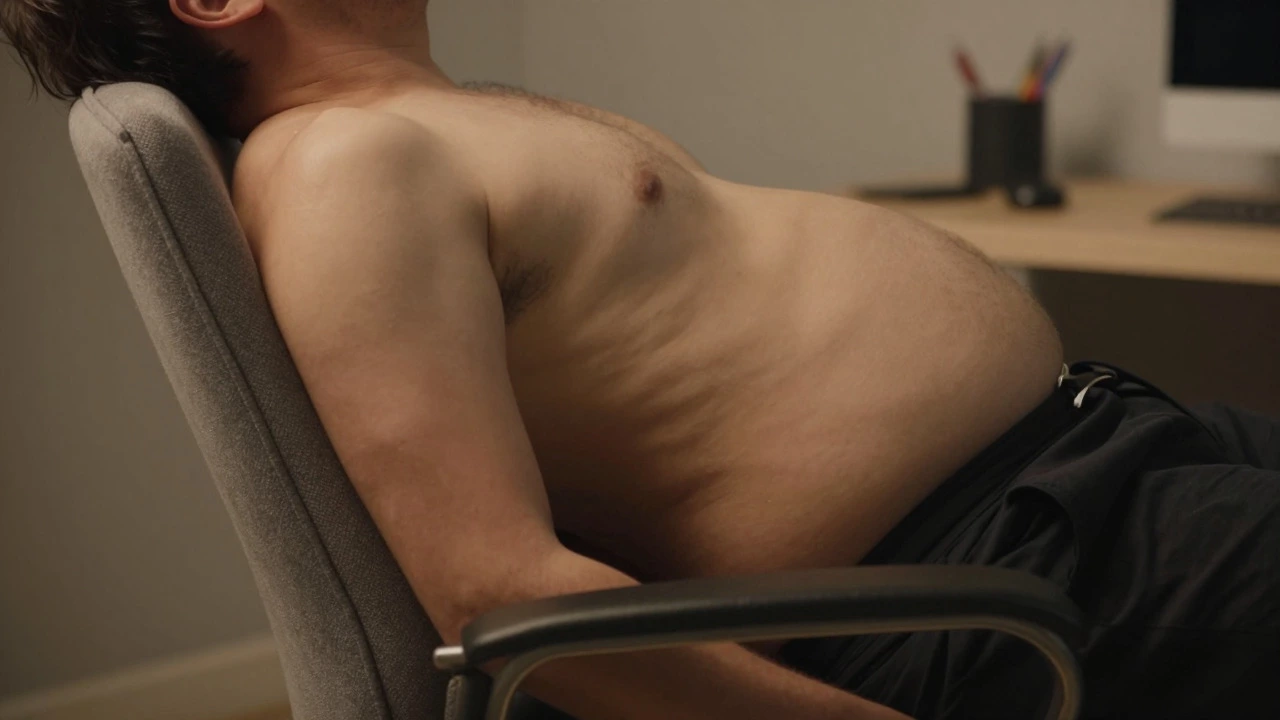
Have you ever looked down at your midsection while slumped in your chair and wondered where that extra roll came from? It’s a common frustration. You might be eating right and hitting the gym, but those eight hours of daily desk work seem to undo all your progress. The truth is, flattening your stomach isn't just about what you eat; it’s heavily influenced by how you sit. Poor posture compresses your abdominal organs, pushes them forward, and creates a visible bulge that has nothing to do with fat storage.
The good news? You don’t need to leave your desk to fix this. By adjusting your environment and your habits, you can engage your core, align your spine, and naturally reduce that protruding belly look. This guide breaks down exactly how your chair affects your midsection and gives you actionable steps to correct it immediately.
Why Does My Stomach Stick Out When I Sit?
To understand the solution, we first need to look at the mechanics of bad sitting. When you slump or "pancake" yourself into a soft couch or an unsupportive office chair, your pelvis tilts backward. This is called posterior pelvic tilt. Imagine your pelvis is a bucket holding water (your internal organs). When you tilt the bucket back, the contents spill forward.
This compression forces your intestines and other abdominal contents upward and outward against your skin. Over time, this constant pressure weakens your transverse abdominis-the deep core muscle that acts like a natural corset. A weak core cannot hold your organs in place, leading to a distended appearance even if your body fat percentage is low. Additionally, slouching often leads to shallow breathing, which causes bloating and further expands the abdomen.
The Role of Your Office Chair
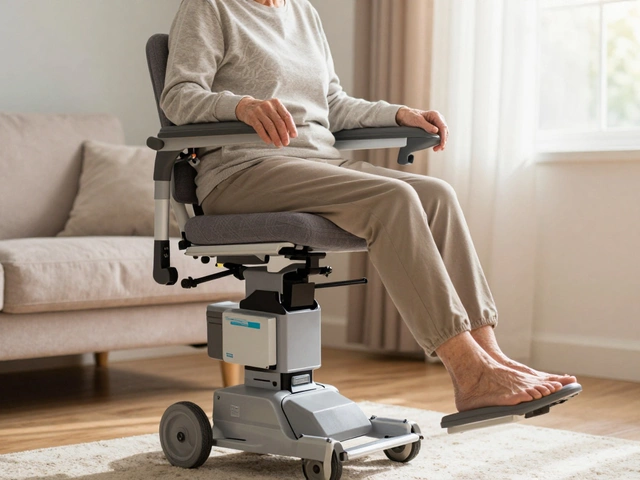
Your chair is the foundation of your posture. If the base is unstable, the house falls down. Most standard office chairs are designed for comfort in a way that actually encourages poor posture. Soft, plush seats allow your hips to sink below your knees, which folds your torso and exacerbates the anterior pelvic tilt or posterior tilt depending on how you collapse.
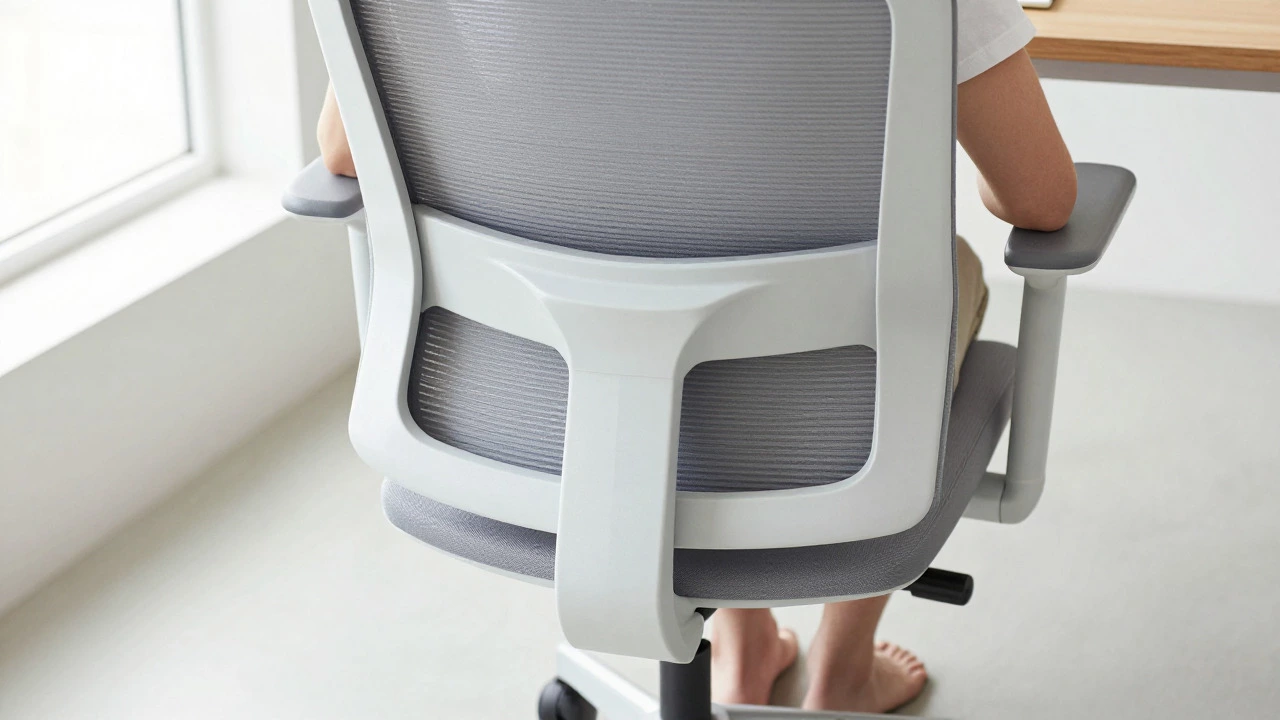
To flatten your stomach while sitting, you need a chair that promotes a neutral spine. Look for these specific features:
- Firm Seat Pan: Avoid overly cushioned seats. A firmer surface keeps your thighs parallel to the floor and prevents your hips from sinking too deep.
- Lumbar Support: This is non-negotiable. Lumbar support maintains the natural inward curve of your lower back. Without it, your lower back rounds, pushing your belly out.
- Seat Depth Adjustment: Ensure there is about two to three fingers' width of space between the edge of the seat and the back of your knees. If the seat is too deep, it cuts off circulation and forces you to slide forward, breaking your posture.
- Armrests: Adjustable armrests help keep your shoulders relaxed and prevent you from hunching forward, which indirectly helps keep your chest open and your core engaged.
If your current chair lacks lumbar support, you can buy a separate lumbar cushion. Place it at the level of your belt line to push your lower back gently into the chair. This simple addition can instantly change the angle of your pelvis and pull your stomach in slightly.
Immediate Posture Corrections
Even the best chair won't help if you use it incorrectly. Here is how to position your body to minimize stomach bulging:
- Sit on Your Sit Bones: Feel for the two bony points at the bottom of your pelvis. Lean back until you feel weight distributed evenly across them. This stabilizes your pelvis.
- Feet Flat on the Floor: Keep your feet hip-width apart and flat. If they dangle, your core has to work overtime to stabilize you, leading to tension and poor alignment.
- The String Method: Imagine a string pulling the crown of your head toward the ceiling. This elongates your spine and takes pressure off your abdomen.
- Shoulders Down and Back: Roll your shoulders back and down. This opens your chest and allows your diaphragm to move freely, improving breathing and reducing bloating.
A quick trick to check your alignment: Can you fit one hand comfortably between your lower back and the chair? If not, you’re either leaning too far forward or your chair lacks support. Adjust accordingly.
Engaging Your Core While Working
Most people think of core engagement as doing crunches. But for posture, it’s about subtle, sustained activation. You want to wake up your transverse abdominis without holding your breath.
Try this technique every hour: Gently draw your navel toward your spine. Don’t suck in your gut completely; just imagine zipping up a tight pair of jeans. Hold this gentle contraction for five seconds, then release. Repeat this three times. This activates the deep stabilizing muscles that keep your abdominal wall tight and supportive throughout the day.
You can also set a timer on your phone for every 30 minutes. When it goes off, take three deep diaphragmatic breaths. Inhale through your nose, letting your belly expand slightly, then exhale slowly through your mouth, engaging your core as you breathe out. This improves digestion and reduces gas-related bloating, which contributes significantly to a flat-looking stomach.
Movement Breaks: The Dynamic Solution
No amount of static sitting will fully solve the problem. Your body is designed to move. Prolonged sitting slows down digestion, leading to constipation and bloating. It also causes muscle imbalances, particularly tightening your hip flexors. Tight hip flexors pull your pelvis forward, creating an exaggerated arch in your lower back and pushing your stomach out-a condition known as swayback.
Incorporate micro-movements into your routine:
- Stand Up Every Hour: Set a reminder to stand for two minutes. Walk around, stretch, or just stand tall. This resets your pelvic alignment.
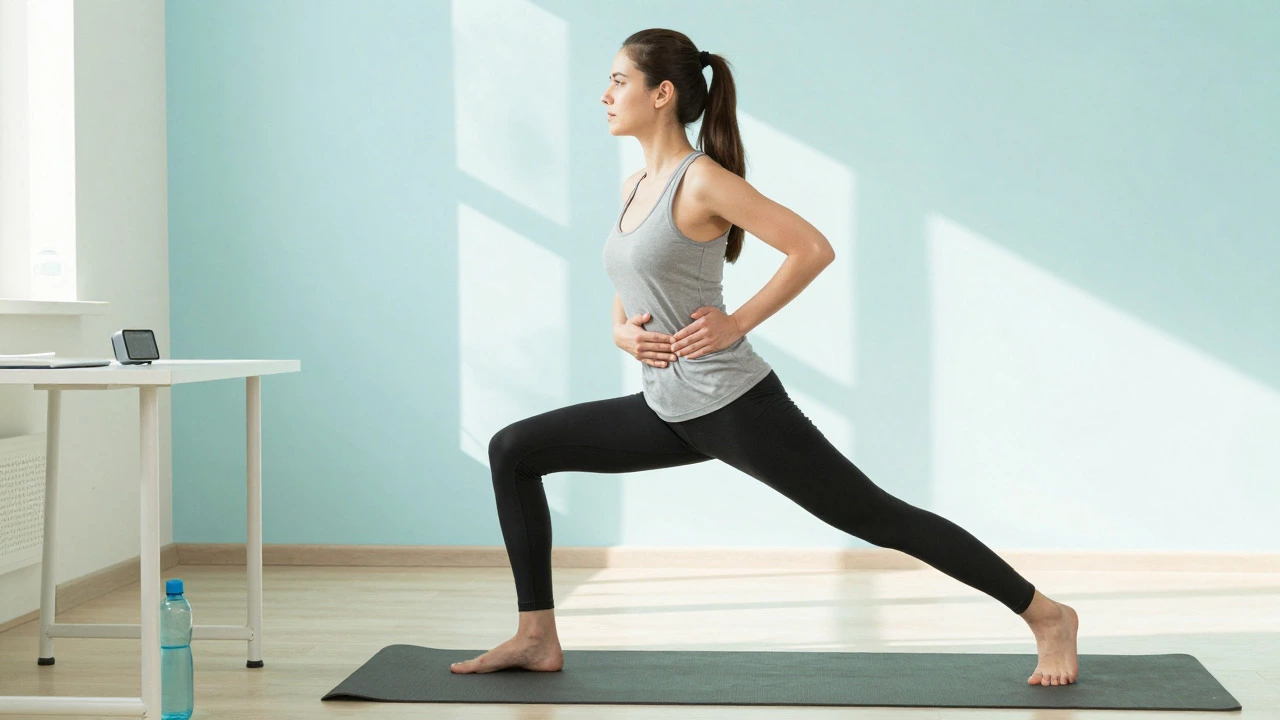
- Hip Flexor Stretch: Do a lunge stretch while standing. Keep your torso upright and gently push your hips forward. Hold for 30 seconds on each side. This counteracts the shortening caused by sitting.
- Glute Squeezes: While sitting, squeeze your glutes tightly for five seconds, then release. Weak glutes force your lower back and abs to overcompensate. Strengthening them supports better pelvic positioning.
Consider using a sit-stand desk if possible. Alternating between sitting and standing distributes the load on your spine and engages different muscle groups, preventing the stagnation that leads to postural collapse.
Dietary Factors That Affect Sitting Appearance
While posture is key, diet plays a supporting role. Certain foods cause rapid bloating, which makes any postural issue more visible. Common culprits include carbonated drinks, high-sodium snacks, and artificial sweeteners. If you notice your stomach looks larger after lunch, track your food intake to identify triggers.
Stay hydrated. Dehydration causes your body to retain water, often showing up in the abdominal area. Drinking enough water helps flush out excess sodium and keeps digestion moving smoothly. Aim for at least 2 liters of water a day, sipping consistently rather than chugging large amounts at once.
Comparison: Standard vs. Ergonomic Seating
| Feature | Standard Soft Chair | Ergonomic Office Chair |
|---|---|---|
| Pelvic Position | Tilts backward, compressing organs | Neutral, supporting natural curve |
| Core Engagement | Passive, muscles relax and weaken | Active, encourages stability |
| Breathing Pattern | Shallow, chest-based | Deep, diaphragmatic |
| Stomach Bulge Risk | High due to compression | Low with proper adjustment |
Long-Term Habits for a Flatter Midsection
Flattening your stomach while sitting is a habit, not a one-time fix. Consistency is key. Start by auditing your workspace. Is your monitor at eye level? If you’re looking down, your neck and upper back round, pulling your entire posture forward. Raise your screen so you can look straight ahead.
Invest in quality footwear. Even when sitting, your foot position affects your chain of alignment. Wear supportive shoes or go barefoot if appropriate, avoiding heels that alter your center of gravity.
Finally, be patient. Muscles take time to strengthen, and fascia (the connective tissue) takes time to release from chronic tightness. Give yourself four to six weeks of consistent posture correction and movement breaks before expecting significant visual changes. You’ll likely feel less bloated and more energetic long before you see a dramatic difference in your mirror reflection.
Can sitting posture really make my stomach look flatter?
Yes. Poor posture compresses abdominal organs, pushing them forward and creating a bulge. Correcting your alignment allows your core muscles to support your organs properly, resulting in a flatter appearance without losing weight.
What kind of chair is best for a flat stomach?
An ergonomic chair with firm lumbar support and a firm seat pan is ideal. These features maintain a neutral pelvic position and prevent slouching, which reduces abdominal compression.
How often should I adjust my posture while working?
Aim to check and reset your posture every 30 minutes. Set a timer to remind yourself to sit on your sit bones, engage your core gently, and ensure your feet are flat.
Does standing up help flatten my stomach?
Yes. Standing relieves pressure on your lower back and abdomen, allowing your organs to settle into their natural position. It also engages your core muscles differently than sitting.
Can exercises help if I sit all day?
Absolutely. Strengthening your core and stretching your hip flexors counteracts the negative effects of prolonged sitting. Simple movements like glute squeezes and hip stretches can be done at your desk.