Bookcase Styling Simulator
Transform your shelves from a library archive into a curated gallery. Adjust the settings below to see how different styling choices affect the visual impact of your bookcase.
Styling Controls
Expert Tips Based on Your Selection
- Start with empty shelves to reset your perspective.
- Mix vertical and horizontal stacks to break monotony.
- Leave negative space to let objects breathe.
You know that feeling when you walk into a room and the walls feel dead? Usually, it’s because someone just lined up every single book they own in alphabetical order on a plain bookcase. It looks like a library archive, not a living space. A bookcase shouldn’t just hold things; it should tell a story about who you are. If your shelves look flat or boring, don’t worry. You don’t need a massive budget or a degree in interior design to fix it. You just need to break the rules.
Most people treat shelving as storage first and style second. That’s the mistake. When you approach a bookcase as a display case for your personality, everything changes. We’re going to walk through practical ways to turn those empty rectangles into focal points. Whether you have a classic wooden unit or a modern metal frame, these techniques work. Let’s get your shelves looking less like a warehouse and more like a curated gallery.
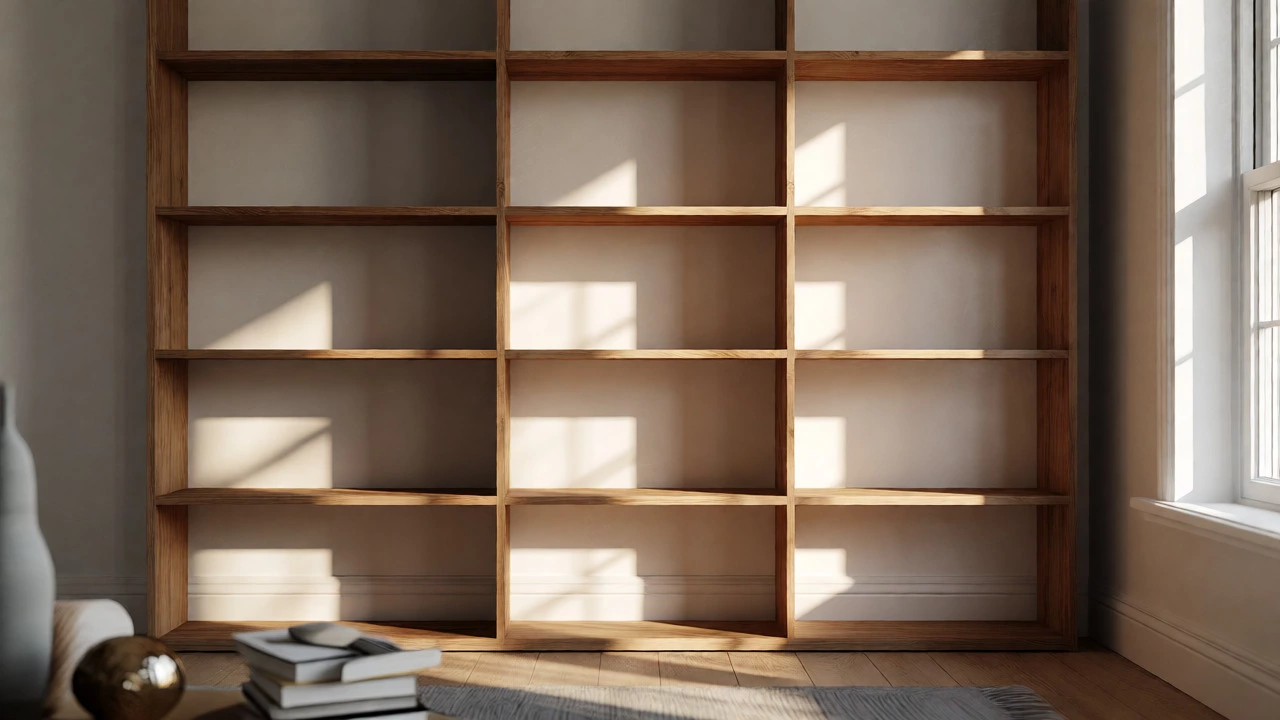
Start With Empty Shelves
Before you put a single object back on the shelf, take everything off. Yes, everything. I mean it. Dusting is important, but starting fresh is crucial. When you start with a blank slate, you stop defaulting to "this goes here because it was here before." You start asking better questions. What do I actually want to see? Which items have visual weight? Which ones are just clutter?
This reset allows you to plan the composition rather than just filling gaps. Think of each shelf as its own small stage. You wouldn’t put all the actors at the front line of a theater play. You’d create depth. You’d group some together and leave others alone. Starting empty gives you the freedom to experiment with height, color, and texture without being constrained by what’s already there. It feels scary at first, but trust me, the result is worth the temporary chaos on your floor.
Mix Vertical and Horizontal Stacks
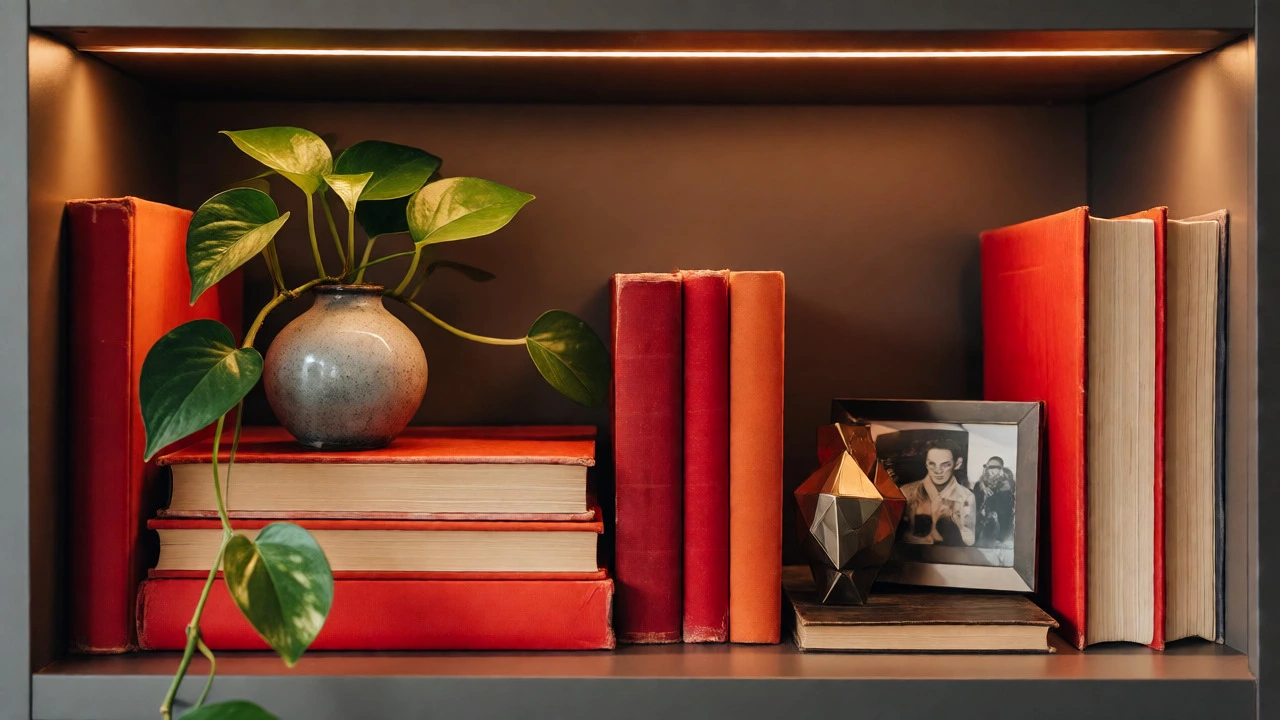
The quickest way to make a bookcase look professional is to stop stacking books vertically only. Standard vertical rows create a monotonous rhythm, like a barcode. It’s predictable and, frankly, a bit dull. Instead, mix it up. Stack some books horizontally. This creates a solid base for other objects. Place a vase, a sculpture, or a small plant on top of a horizontal stack. It adds immediate height variation.
Try this rule of thumb: for every three vertical stacks, add one horizontal stack. This breaks the grid pattern. It draws the eye across the shelf rather than just up and down. When you stack horizontally, pay attention to the spines. The colors and sizes matter. A thick, colorful hardcover makes a great base. A thin paperback might disappear. Use the larger books as anchors. This technique instantly makes the arrangement look intentional and designed, rather than accidental.
Add Personal Objects Between Books
If your shelves are 100% books, they look heavy. They can feel imposing or even claustrophobic, especially in smaller rooms. You need breathing room. Enter personal objects. These are the items that define you. Maybe it’s a framed photo from your last trip, a ceramic piece from a local market, or an old compass you found in an attic. These objects interrupt the flow of books and add character.
The key is scale. Don’t overwhelm the books with giant statues, and don’t hide tiny trinkets behind large encyclopedias. Aim for variety. Place a medium-sized object between two groups of books. Leave a little negative space around it so it doesn’t get lost. Negative space is just as important as the objects themselves. It lets the eye rest. If you pack every inch tight, the whole unit looks messy. Give your favorite pieces room to shine.
Use Lighting to Create Depth
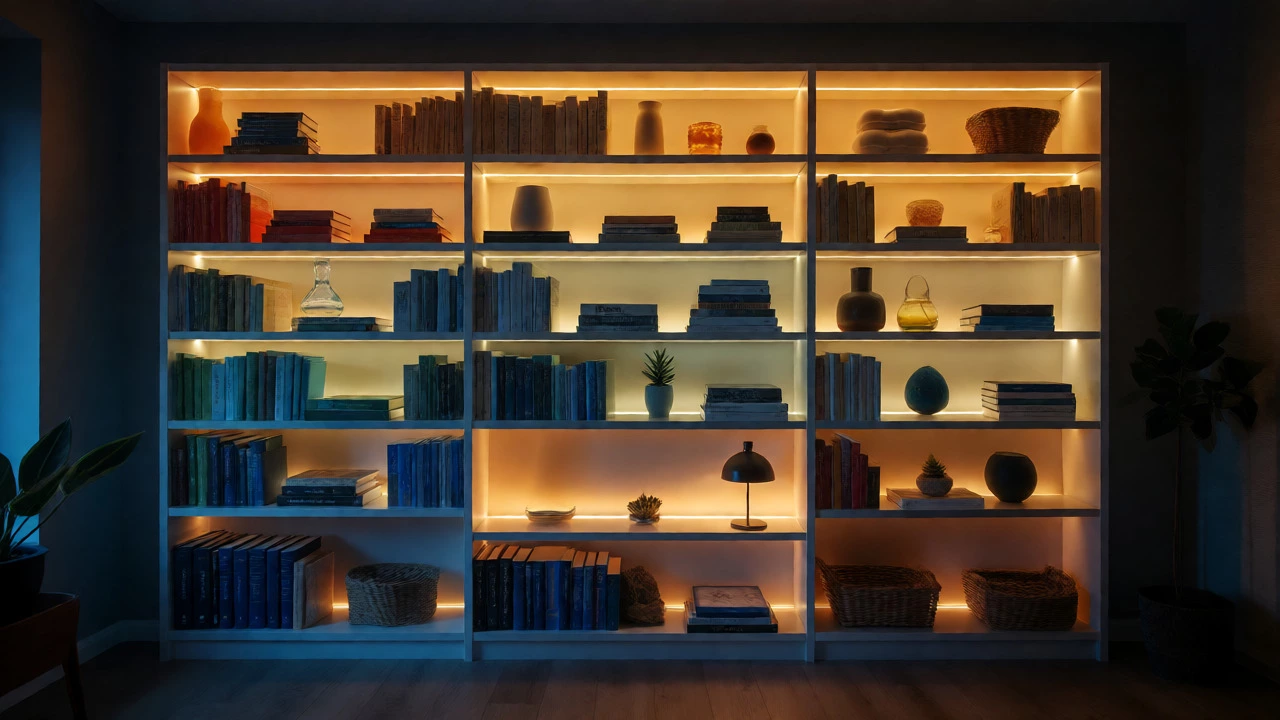
Lighting is the secret weapon most people forget. A well-lit bookcase looks expensive and inviting. In natural light, position your bookcase near a window if possible. But what about evenings? Or dark corners? Add integrated lighting. LED strip lights along the underside of shelves are cheap and easy to install. They cast a warm glow downward, highlighting the textures of book covers and objects.
Alternatively, place a small table lamp on the bottom shelf. It creates upward lighting, which casts interesting shadows and adds drama. Battery-operated puck lights are another great option if you don’t want to deal with wires. Just make sure the light isn’t too harsh. Warm white bulbs (around 2700K-3000K) generally look cozier than cool blue-white lights. Play with angles. Sometimes hiding a light source behind a tall book creates a mysterious, inviting vibe.
Group by Color or Theme, Not Alphabetical Order
Alphabetical order is efficient for finding a specific title, but terrible for aesthetics. Unless you are running a public library, nobody cares if A Tale of Two Cities is next to Bleak House. Grouping by color creates a striking visual impact. Imagine a shelf where all the red spines are together, then orange, then yellow. It looks like a rainbow. It’s playful and modern.
Or try grouping by theme. Put all your travel guides together. Cluster your cookbooks. Keep your fiction separate from your non-fiction. This creates mini-collections within the larger unit. It tells visitors what you care about. Are you a foodie? A history buff? A sci-fi fan? Let the arrangement speak for itself. You can also mix it up-have one shelf color-coded and the next one themed. Variety keeps the viewer engaged as their eyes move down the unit.
Incorporate Greenery
Plants bring life to static furniture. A bookcase is a perfect spot for trailing plants like pothos or ivy. Their vines spill over the edges, softening the hard lines of wood or metal. For upright plants, choose small pots that fit between stacks. Succulents are great because they don’t need much water and won’t ruin your books with spills.
Real plants are best, but high-quality faux plants work fine too, especially in low-light areas. Just dust them regularly. Greenery adds a pop of natural color that contrasts beautifully with paper and wood tones. It also improves air quality, which is a nice bonus. If you’re worried about killing a real plant, start with a snake plant or ZZ plant-they’re nearly indestructible. Place one on a lower shelf where it gets less traffic, or hang one from the top if your unit has hooks.
| Element | Visual Impact | Effort Level | Best For |
|---|---|---|---|
| Horizontal Stacks | High - Breaks monotony | Low | All bookcase types |
| Personal Objects | Medium - Adds personality | Medium | Living rooms, studies |
| LED Lighting | High - Creates ambiance | Medium | Dark corners, evening use |
| Color Grouping | Very High - Bold statement | High | Modern interiors |
| Greenery | Medium - Softens lines | Low/Medium | Any space needing life |
Play With Texture and Materials
Books are mostly smooth paper and cloth. If your entire shelf is just books, it lacks tactile interest. Introduce different materials. Woven baskets on lower shelves add warmth and hide unsightly cables or board games. Metal sculptures catch the light. Wooden boxes add earthy tones. Glass vases reflect surroundings.
Contrast is key. Pair rough textures with smooth ones. A sleek modern bookcase looks cozy with chunky knit throws draped over a side. A rustic wooden unit pops with sleek metallic accents. Don’t be afraid to layer. Put a small rug underneath the bookcase to anchor it. Hang art above it. Connect the furniture to the rest of the room’s design language. The goal is harmony, not isolation. Your bookcase should feel like it belongs in the room, not like it was dropped in from a catalog.
Leave Some Space Empty
We mentioned negative space earlier, but it’s worth repeating because people struggle with this. You don’t need to fill every gap. An empty section of shelf can be powerful. It acts as a pause button for the eye. It highlights the objects next to it. Think of it like whitespace in a magazine layout. Without it, everything screams for attention, and nothing stands out.
Try leaving one entire shelf partially empty. Maybe just one beautiful object centered on it. Or leave the top shelf bare except for a single plant. This restraint shows confidence in your design choices. It prevents the "cluttered" look that happens when we try to maximize utility at the expense of beauty. Remember, a bookcase is furniture first, storage second. It needs to look good to be useful.
Rotate Your Display Seasonally
Your interests change. The seasons change. Why should your bookcase stay the same? Rotate your decor every few months. Swap out summer photos for winter knick-knacks. Change the color scheme to match the season-pastels in spring, deep tones in autumn. This keeps the space feeling fresh and dynamic.
It’s also a great excuse to declutter. As you rotate, ask yourself: "Do I still love this?" If not, let it go. This habit prevents accumulation of stuff you no longer care about. It also means you never get bored of your own home. Small updates cost nothing but time. And seeing familiar items in new combinations can spark joy again. Treat your bookcase like a living exhibit, not a static monument.
Should I arrange books by size or color?
Both work, but they serve different purposes. Arranging by size creates a clean, organized look that emphasizes structure. Arranging by color creates a bold, artistic statement. For a balanced look, mix them: group by size on some shelves and color on others. Avoid strict alphabetical order unless you prioritize quick retrieval over aesthetics.
How many decorative items should I put on a bookcase?
There is no magic number, but aim for odd numbers (3, 5, 7) when grouping objects. Odd numbers are visually more appealing to the human brain. Also, follow the rule of thirds: divide your shelf into three sections and distribute items unevenly across them. Ensure at least 20-30% of the shelf surface remains empty to prevent clutter.
Can I use fake plants on my bookcase?
Yes, absolutely. Modern faux plants are very realistic and require zero maintenance. They are ideal for bookcases that receive little natural light or are placed in dusty areas. Just ensure you dust them regularly to keep them looking fresh. Choose varieties that suit the scale of your shelves-small succulents for tight spaces, trailing vines for higher shelves.
What is the best way to hide cables on a bookcase?
Use cable clips attached to the back edge of the shelves to route wires neatly. Alternatively, use a cord cover kit painted to match the bookcase color. You can also hide power strips inside woven baskets or behind larger decorative boxes. Keeping cables hidden maintains the clean aesthetic of your styled shelves.
How often should I restyle my bookcase?
Restyling once per season (every 3-4 months) is a good rhythm. It keeps the space feeling current and allows you to update decor based on holidays or weather. However, minor tweaks can be done anytime. If a shelf starts looking stale or cluttered, spend 15 minutes rearranging it. Small, frequent updates are easier than major overhauls.