Sofa Bed Comfort Optimizer
Answer a few questions about your sofa bed's feel to get a customized comfort upgrade plan.
Your Comfort Roadmap
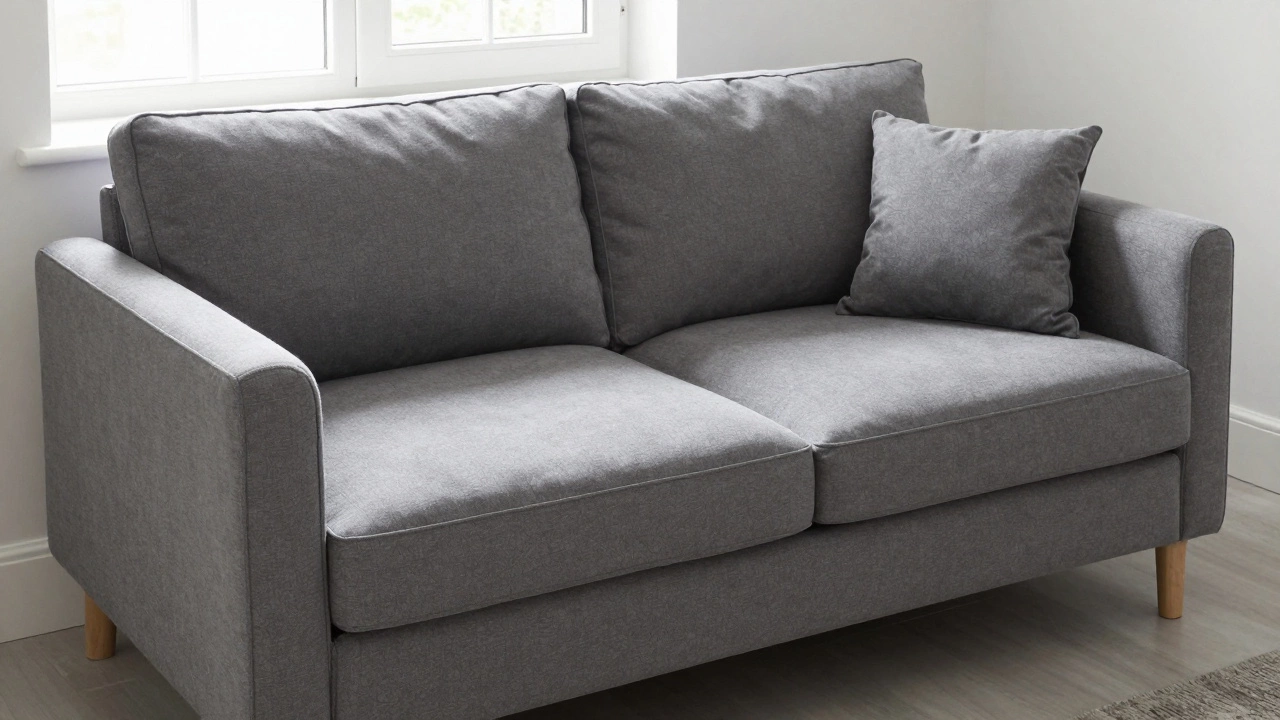
The good news is that you don't need to toss the whole piece of furniture. You can actually transform a stiff, awkward sleeper sofa into a cozy spot using a few strategic additions and adjustments. Whether you're dealing with a click-clack, a pull-out, or a futuristic sleeper, the goal is to add the support and plushness that the manufacturer skipped to save on costs.
Quick Wins for Instant Comfort
- Add a high-density foam topper: If the seat feels like a plank, a 2-inch memory foam pad hidden under a throw blanket works wonders.
- Layer your pillows: Don't just use the ones that came with the sofa; bring in oversized lumbar pillows to fill the gap between your lower back and the frame.
- Use a thick rug: Sometimes the discomfort comes from the sofa's edge digging into your legs. A plush rug underneath provides a softer transition for your feet.
- Swap the cushions: If the seat cushions have gone flat, replacing the inner foam with 4-inch high-resiliency poly-foam can change everything.
Fixing the "Sinking" or "Stiff" Feeling
The primary reason sofa beds feel off is the sofa bed is a dual-purpose piece of furniture that combines a seating area with a fold-out bed. Because of the mechanical hinges and fold-out frames, the cushioning is often thinner than a standard couch. To fix this, you need to address the seating ergonomics.
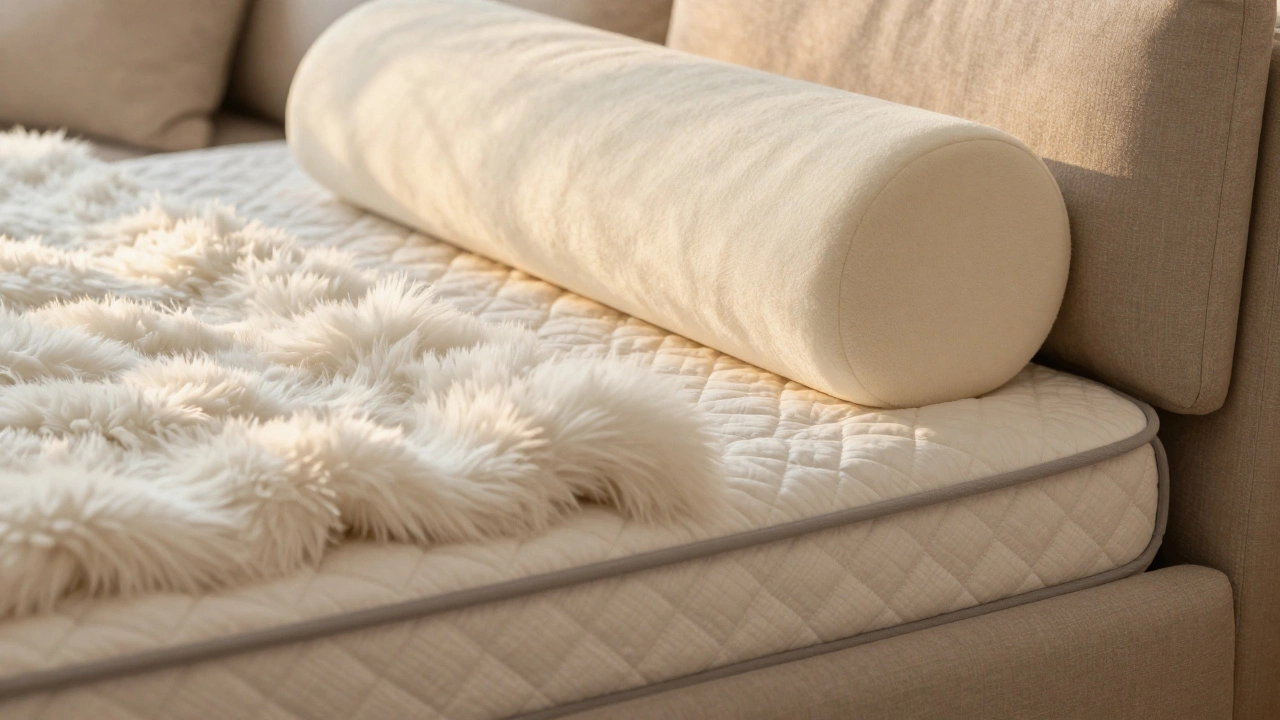
If your sofa is too stiff, you're likely feeling the metal frame through the fabric. This is common in budget-friendly pull-out models. To solve this, try a "layering strategy." Instead of one thick pillow, use a combination of a firm base layer (like a quilted mattress pad) and a soft top layer (like a faux-fur throw). This mimics the feel of a high-end lounge chair by distributing your weight more evenly across the surface.
On the flip side, if you're sinking too deep and finding it hard to stand up, your cushions have likely lost their "loft." You can either buy replacement foam or use a trick called "foam stuffing." Open the zipper of your cushion cover and stuff extra polyester fiberfill or shredded memory foam into the corners. This pushes the fabric taut and provides the necessary push-back for your spine.
Optimizing Back Support and Depth
One of the biggest complaints about sofa beds is that the back is too low or too hard, forcing you to slouch. When you slouch, your lower back loses support, leading to that nagging ache after an hour of sitting. This is where Lumbar Support comes into play. A lumbar pillow is a small, firm cushion designed to fit the natural curve of your lower spine.
If the seat is too deep-meaning your feet don't touch the floor and your back doesn't hit the rear cushions-you've got a depth problem. You can fix this by placing two large, firm throw pillows against the backrest. This effectively pushes the "sitting area" forward, allowing you to sit upright without feeling like you're falling into a hole. Try pillows with a structured shape, like cylinder bolsters, as they don't compress as much as soft square pillows.
| Sofa Bed Type | Common Issue | Best Fix | Recommended Material |
|---|---|---|---|
| Pull-Out (Trundle) | Thin seat cushions | Under-cushion foam topper | High-Density Memory Foam |
| Click-Clack (Futon) | Hard backrest | Wall-mounted cushions | Down-alternative Fill |
| Sleeper Sectional | Gaps in seating | Gap filler wedges | Polyurethane Foam |

Improving the Texture and Temperature
Comfort isn't just about how soft the seat is; it's also about how the fabric feels against your skin. Many sofa beds use heavy-duty polyester or synthetic blends that can feel scratchy or make you sweat. To upgrade this, introduce Textiles that breathe. A 100% cotton throw or a linen coverlet can instantly make a couch feel more inviting.
Think about the "touch points"-your elbows, your neck, and your calves. If the armrests are hard wooden or metal frames, wrap them in custom-made fabric sleeves or simply drape a folded blanket over them. This prevents the "bone-on-wood" feeling that makes a sofa bed feel more like a waiting room chair than a living room centerpiece.

Long-Term Maintenance for Lasting Comfort
If you want your sofa bed to stay comfortable, you can't just set it and forget it. Fabrics stretch and foam compresses over time. To combat this, get into the habit of rotating your cushions weekly. If you always sit in the same spot, that area will develop a permanent dip. Flipping the cushions ensures that the wear and tear is distributed evenly across the whole piece.
Vacuuming is also a comfort move. Dust and crumbs settle into the crevices of a sofa bed, creating hard lumps under the fabric. Using a vacuum with a crevice tool once a week keeps the surface smooth and prevents the buildup of debris that can make the seat feel uneven. If the internal springs are starting to sag, you can actually buy "furniture repair kits" that include support straps to tighten the underside of the seat.
Can I put a mattress topper on a sofa bed while it's in the sofa position?
Yes, but only if it is a thin, high-density foam pad. A thick topper will make the sofa look bulky and may prevent the bed from folding back up correctly. The best approach is to place a 1-to-2 inch pad directly under the existing seat cushions rather than on top of them.
What are the best pillows for adding support to a sofa bed?
Look for "firm" or "extra-firm" lumbar pillows for your lower back. For the backrest, oversized Euro shams or structured foam pillows work best because they provide a solid wall of support and don't flatten instantly when you lean back.
How do I stop my sofa bed from feeling like it's "digging in" to my back?
This usually happens because the foam is too thin or has collapsed. You can fix this by adding a layer of batting (polyester wadding) under the fabric or by replacing the foam inserts with a higher-density grade, such as 2.8 lb density foam.
Do sofa bed covers actually improve comfort?
A cover alone won't fix a hard seat, but a quilted or padded cover can add a small layer of softness. More importantly, a soft fabric cover removes the "sticky" or "scratchy" feeling of cheap synthetic upholstery, which improves the overall sensory experience.
Will adding cushions affect the mechanism of the fold-out bed?
It depends. Loose pillows and throws are fine, but if you add permanent foam inserts or heavy mattress toppers, you must check if the sofa can still close. Always test the folding mechanism after adding any new layers to ensure you aren't forcing the hinges, which could break the frame.
Next Steps for Your Comfort Upgrade
If you've tried the easy fixes and your sofa bed still feels like a rock, it might be time for a hardware upgrade. Check the legs of your sofa; if they are wobbling, the uneven weight distribution makes the seat feel less stable and more uncomfortable. Tightening the bolts or adding furniture coasters can stop the sway.
For those with a higher budget, consider professional reupholstery. A pro can replace the internal springs with pocket coils-the same kind found in high-end mattresses-which provides targeted support and eliminates the "sinking" feeling entirely. If that's too expensive, focusing on high-quality Textiles and strategic pillow placement will get you 80% of the way there for a fraction of the cost.