Sofa Storage Risk & Cover Advisor
Answer the questions below to get a personalized recommendation for protecting your couch in storage.
Risk Assessment:
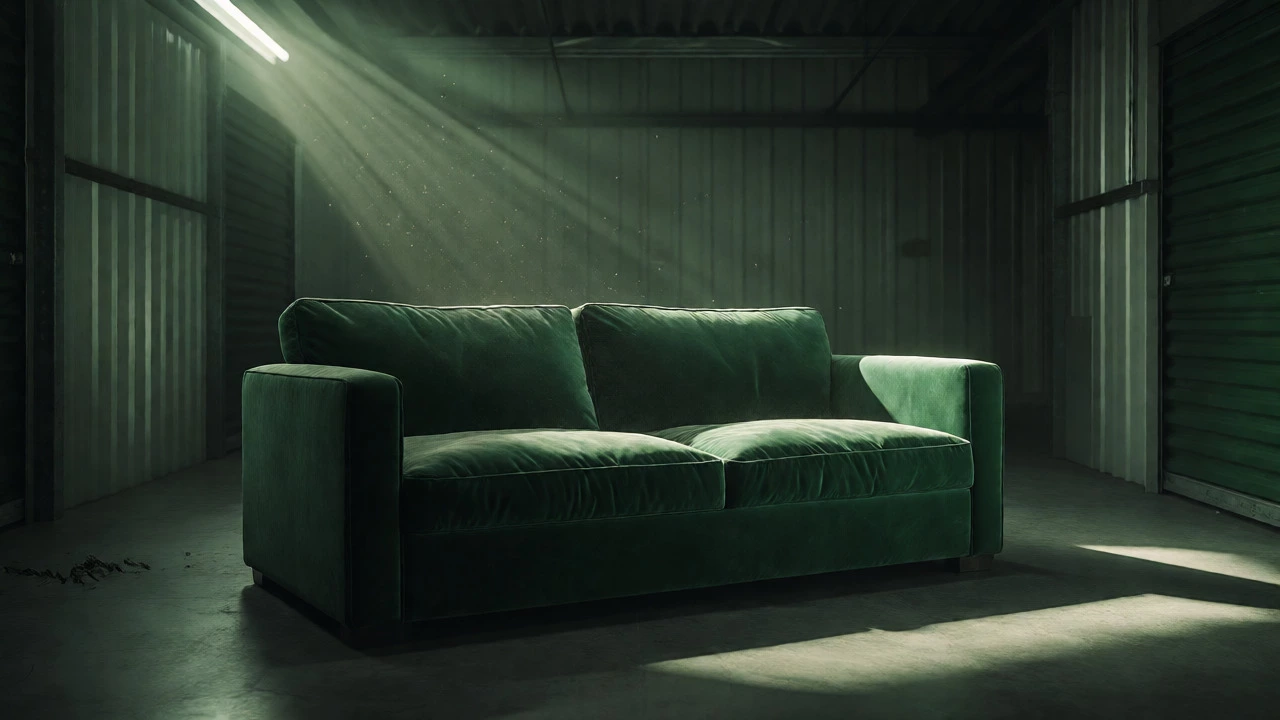
You’ve just signed a lease on a new apartment, or maybe you’re downsizing and need to stash your favorite sofa in a self-storage unit for six months. You look at the bulky piece of furniture and wonder: do I really need to buy a cover? It seems like an extra expense when you’re already paying for the unit. But here’s the harsh reality: uncovered furniture in storage is basically a magnet for disaster. Dust settles into fabric fibers, moisture causes mold, and sunlight fades colors faster than you’d think.
The short answer is yes, you should cover it. But not with just anything. Throwing a plastic tarp over your velvet sectional is actually worse than leaving it bare. Plastic traps moisture against the upholstery, creating a greenhouse effect that breeds mildew. This guide breaks down exactly why covering matters, what materials work best, and how to prep your couch so it comes out of storage looking as good as it went in.
Why Uncovered Sofas Suffer in Storage Units
Self-storage units aren’t climate-controlled living rooms. Even if you pay extra for temperature control, air circulation is limited. Without a barrier, three main enemies attack your furniture:
- Dust and Debris: Over time, fine particles settle deep into cushion seams. Once embedded, this grime can discolor fabric and irritate allergies when you bring the sofa back home.
- Pests: Spiders, silverfish, and even mice love dark, undisturbed corners. An uncovered couch offers them cozy nesting spots and easy access to fabric fibers.
- Moisture and Mold: Humidity fluctuations are common in storage facilities. If dampness gets trapped in foam cushions without ventilation, mold spores take root within weeks.
Think about your last move. Did you notice any musty smells from boxes left in a garage for a winter? That’s usually humidity doing its work. Your sofa has way more surface area than a cardboard box, making it far more vulnerable.
The Right Material Matters More Than You Think
Not all covers are created equal. Choosing the wrong one can cause permanent damage. Here is a breakdown of common options and their pros and cons.
| Material | Breathability | Protection Level | Best For |
|---|---|---|---|
| Canvas Drop Cloth | High | Moderate | Long-term storage; budget-friendly |
| Specialty Fabric Covers | High | High | Expensive upholstery; fitted protection |
| Plastic Tarps | None | Low (Traps Moisture) | Short-term only; never use directly on fabric |
| Old Sheets/Bedsheets | Moderate | Low | Quick fixes; light dust protection |
Cotton canvas is the gold standard for most people. It breathes well, allowing air to circulate around the frame while blocking dust. Specialty furniture covers often come with elastic hems or zippers, which keep the material snug and prevent it from sliding off during transport. Avoid plastic sheeting unless you wrap the sofa in breathable cloth first. Plastic against fabric equals condensation, and condensation equals stains.
Prepping Your Couch Before You Cover It
You can’t just shove a dirty sofa into a bag. Cleaning it beforehand is critical because you won’t be able to vacuum it easily once it’s wrapped up. Start by vacuuming every crevice, including under the cushions and along the base. Use an upholstery attachment to pull out crumbs and pet hair.
If your sofa has fabric stains, treat them now. Spot-clean with a mild detergent suitable for your specific upholstery type. Check the care tag-codes like "W" mean water-based cleaners are safe, while "S" means solvent-only. Let the sofa dry completely before covering it. Trapping dampness inside a cover is the fastest route to a ruined piece of furniture.
For leather sofas, apply a conditioner before storage. Leather dries out over time, especially in low-humidity environments. Conditioning keeps the hide supple and prevents cracking. Then, wrap it in a soft cotton blanket rather than a tight synthetic cover, which might stick to the finish.
How to Properly Wrap and Secure the Sofa
Once your sofa is clean and dry, it’s time to wrap. Don’t try to fit a full-size sectional into a single small cover. Instead, disassemble it if possible. Remove legs, arms, and backrests. This reduces bulk and makes wrapping easier.
- Protect Corners: Use cardboard corner protectors or folded towels on sharp edges. These points take the most impact during loading and unloading.
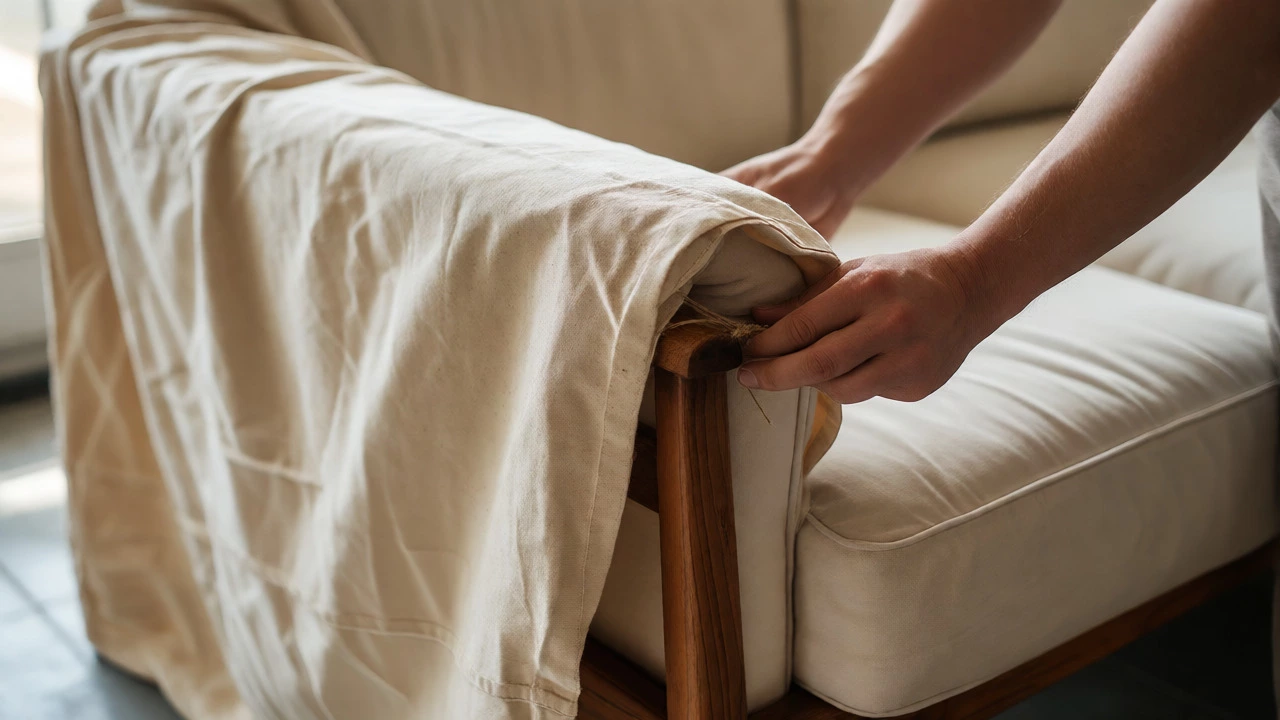
- Wrap Loosely: Drape your canvas drop cloth over the sofa. Don’t stretch it tight. Loose fabric allows air pockets to form, which helps regulate temperature and moisture.
- Secure Gently: Tie the cloth with twine or use Velcro straps. Avoid tape directly on fabric-it leaves residue and pulls fibers. If you must use tape, put it on the wooden frame, not the upholstery.
- Label It: Write "Fragile," "This Side Up," and the contents on the outside. Future-you will thank present-you when trying to identify which pile of covered junk is the living room set.
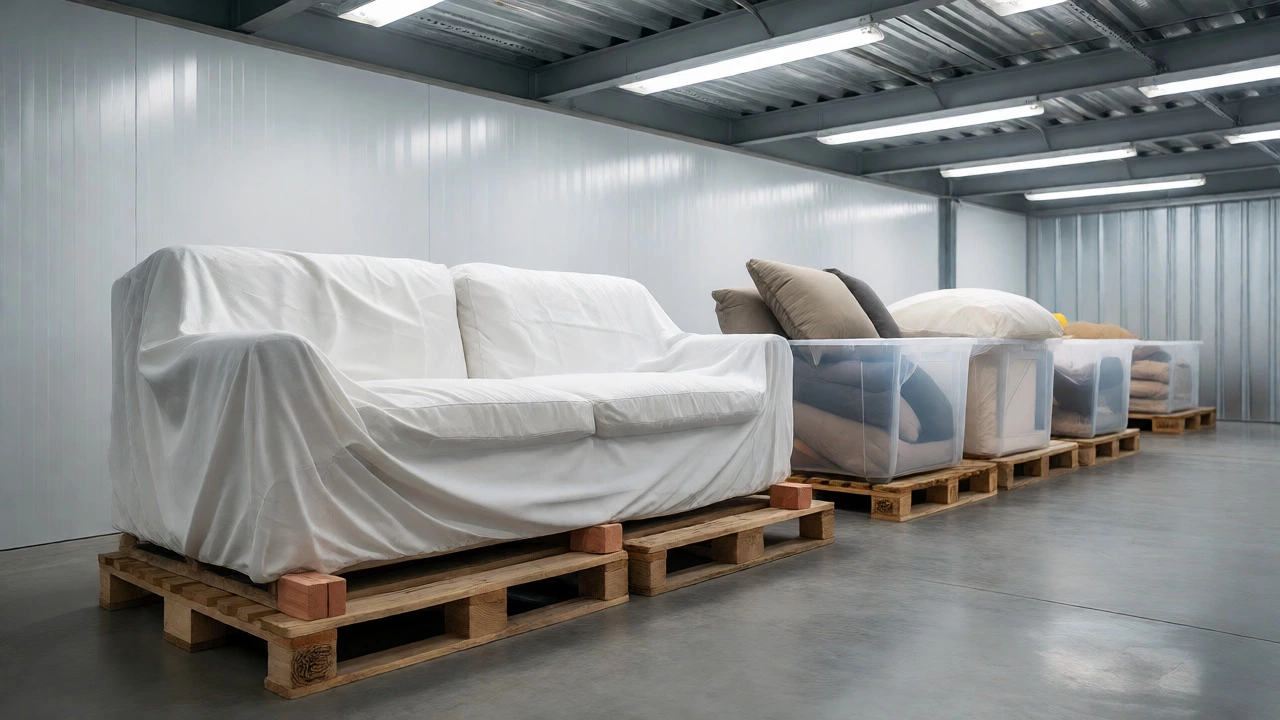
Stacking is another consideration. Never stack heavy items on top of a covered sofa. The weight compresses the foam, leading to permanent dips. Keep the sofa flat on the floor or elevated slightly on pallets to avoid ground moisture.
Climate Control vs. Basic Storage: Do You Need Both?
This depends on where you live and how long the sofa stays away. In humid climates like Florida or Seattle, climate control isn’t optional-it’s mandatory. Wood frames warp, and metal springs rust when exposed to consistent high humidity. A covered sofa in a non-climate-controlled unit in these regions is still at risk.
In dry, temperate zones, a basic unit might suffice if you use a breathable cover. However, extreme heat can melt glues in cheaper sofas, causing joints to separate. If your storage facility gets above 85°F (29°C) regularly, consider climate control regardless of humidity levels. The cost difference is often negligible compared to replacing a $1,000 sofa.
Common Mistakes That Ruin Stored Furniture
Even with a cover, people make errors that lead to damage. Here are the big ones to avoid:
- Storing Wet or Damp Items: Never store a sofa that feels cool or damp to the touch. Wait until it reaches room temperature and is bone dry.
- Using Newspaper: Ink transfers onto light-colored fabrics. Always use white cotton sheets or plain canvas.
- Ignoring Pest Prevention: Mothballs smell terrible and can leave a chemical scent on fabric. Cedar blocks or sachets are better alternatives. Place them near the base, not directly on the seat.
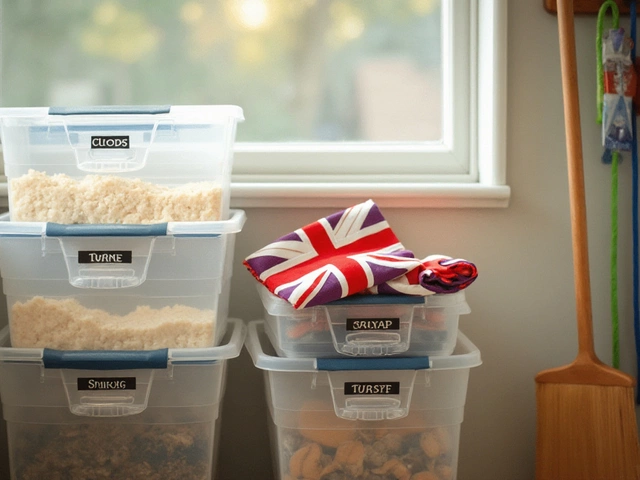
- Leaving Cushions Inside: If your sofa has loose cushions, remove them. Store them separately in clear bins. This prevents uneven compression and lets the frame breathe.
Another subtle issue is sunlight. Even through a window, UV rays fade fabric. If your storage unit has windows, ensure the cover is opaque. A thin white sheet won’t block enough light to prevent fading over several months.
When to Skip the Cover Entirely
Are there scenarios where you don’t need a cover? Rarely. Maybe if you’re storing the sofa for less than two weeks in a pristine, sealed indoor space. But even then, dust accumulates quickly. If you’re moving locally and the sofa sits in a clean garage overnight, you might get away with nothing. But for any commercial storage unit, assume dust and pests are present. The cost of a $20 drop cloth is trivial compared to professional cleaning bills later.
What about vintage or antique pieces? These require extra care. Silk or wool upholstery needs archival-quality tissue paper between folds to prevent creasing. Consider consulting a conservator for pieces worth more than a few hundred dollars. They might recommend custom-fitted covers made from acid-free materials.
Bringing It Back Home
Unwrapping your sofa after months in storage shouldn’t be rushed. Let it sit unwrapped in your living room for a day or two. This allows any lingering odors to dissipate and lets the foam expand back to its original shape. Vacuum it thoroughly before sitting on it. You’ll likely find a layer of dust settled on top despite the cover.
If you notice minor wrinkles in the fabric, hang the sofa in a steamy bathroom for 15 minutes. The gentle heat relaxes the fibers. For deeper odors, sprinkle baking soda on the cushions, let it sit for an hour, and vacuum it up. This neutralizes smells without wetting the fabric.
Covering your couch in storage isn’t just about keeping it clean. It’s about preserving the structural integrity and aesthetic value of your investment. With the right materials and a bit of prep work, your sofa can survive years in a unit and still feel brand new when you finally unpack it.
Can I use a shower curtain to cover my couch?
No, shower curtains are typically made of plastic or vinyl. As mentioned earlier, plastic traps moisture against the fabric, which can lead to mold and mildew growth. Only use plastic if you have a breathable layer underneath it.
How often should I check on my stored sofa?
If you have access to your unit, check on it every 3-6 months. Look for signs of pest activity, moisture buildup, or shifting covers. Early detection prevents small issues from becoming major damages.
Does storing a sofa ruin the foam?
Proper storage doesn't ruin foam, but improper stacking does. Avoid placing heavy objects on top of the sofa. Also, ensure the foam is fully expanded and dry before storage. Prolonged compression in hot conditions can degrade lower-quality foams over many years.
Should I remove the cushions before storing?
Yes, removing loose cushions is highly recommended. It prevents uneven wear on the seat deck and allows the frame to ventilate better. Store the cushions in separate, labeled boxes or bags to keep them clean and protected.
Is it better to store a sofa upright or on its back?
Store sofas upright whenever possible. Laying them on their backs puts pressure on the frame and can distort the shape of the backrest. Upright storage also saves floor space in the unit.