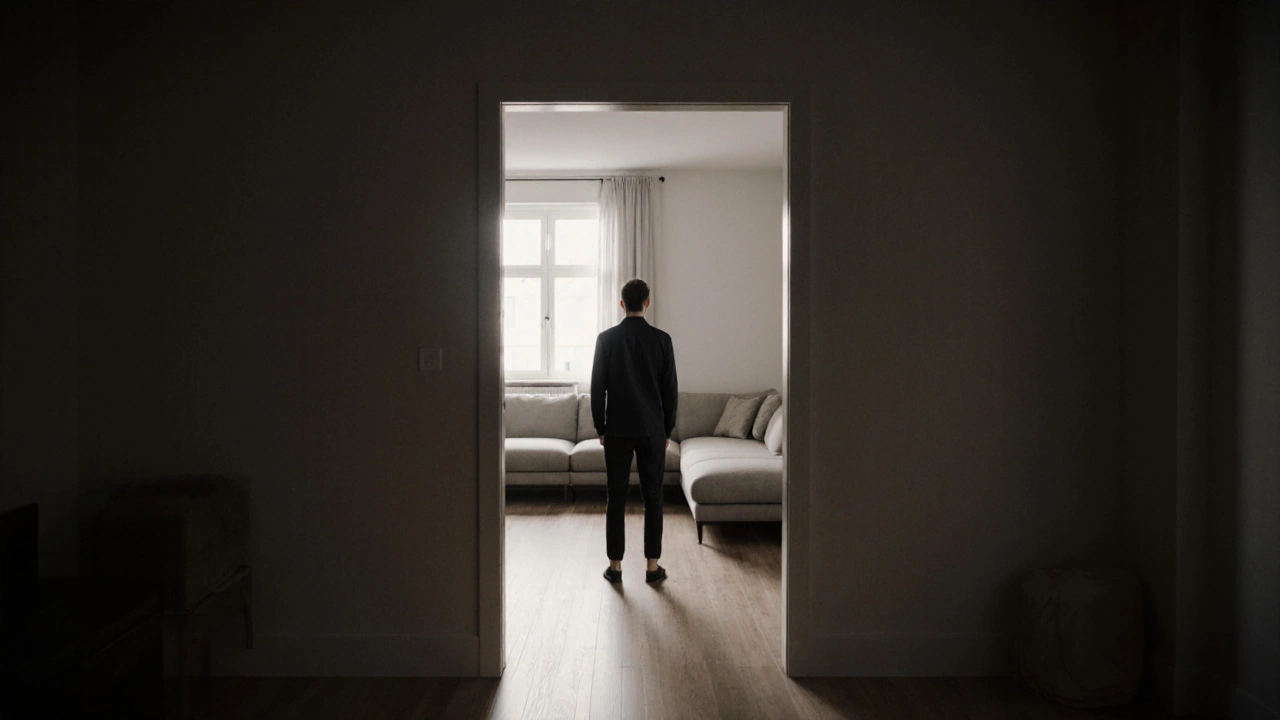
What Does Left-Hand Facing Corner Sofa Mean? A Simple Guide
Learn what 'left-hand facing corner sofa' really means and how to pick the right one for your room. Avoid costly mistakes with simple tips and real-life examples.
A left-hand facing corner sofa, a type of sectional sofa where the chaise or long section extends to the left when facing the piece. Also known as a left-arm facing sectional, it’s designed to fit snugly into the left corner of a room, creating a natural flow for seating and traffic. This isn’t just about looks—it’s about how people move through your space. If you’ve ever walked into a room and felt like the furniture was blocking your path, you’ve seen what happens when sofa orientation is ignored.
Choosing the right corner sofa isn’t just about size. It’s about sofa orientation, the direction the chaise extends relative to the viewer. A left-hand facing model means the long section is on your left as you stand facing the sofa. That’s different from a right-hand facing one, which flips the layout. Mixing them up can leave you with awkward gaps, blocked windows, or a sofa that doesn’t match your room’s natural flow. Most people don’t realize this until they’ve already bought it and can’t move it.
Where you put it matters just as much. A corner sofa, a U-shaped or L-shaped seating unit designed to fit into room corners works best when it anchors the room, not fights it. If your living room has a window on the left wall, a left-hand facing sofa can frame it beautifully—letting light in while creating a cozy nook. But if your main TV is on the right wall, you might end up straining your neck to watch. Think about sightlines, doorways, and how people walk in. A sofa that blocks a hallway or hides a radiator isn’t just ugly—it’s impractical.
Style-wise, left-hand facing corner sofas come in everything from sleek modern designs to chunky, plush options. The key is matching the shape to your room’s structure. Smaller spaces? Go for a low-profile model with slim arms. Open-plan living areas? A deeper chaise can define the seating zone without needing a rug or wall divider. Pair it with a simple coffee table, a floor lamp in the corner, and maybe a side table for drinks. Avoid overcrowding—it’s meant to be a relaxed hub, not a furniture museum.
And don’t forget the back. If your sofa faces a high-traffic area, pick a durable fabric. If it’s tucked away in a quiet corner, you can go softer. Leather holds up well, but performance fabrics are easier to clean and come in tons of colors. Most people overlook this until they spill coffee or have pets. Plan ahead.
What you’ll find below are real-life guides on how to place a corner sofa, what to pair it with, and why some layouts just work better than others. No fluff. No theory. Just what actually happens when you move a sofa into a real room—not a showroom. Whether you’re fixing a cramped living room or starting from scratch, these posts show you how to get it right the first time.
Learn what 'left-hand facing corner sofa' really means and how to pick the right one for your room. Avoid costly mistakes with simple tips and real-life examples.
17 Jun
Fancy Words for Sofa Bed: The Names Behind the Couch That Does It All

15 Jun
ADHD's Dark Side: How It Impacts You at the Office—And Your Favorite Chair
18 Nov
Is It Okay to Put a Bookcase in Front of a Window? Practical Tips and Common Mistakes

11 Feb
What Color Adds the Most Value to a Home?
29 Jul
How Often Should You Replace Your Home Furniture? Expert Guide