Clothing Storage Finder
Stop guessing the right word. Answer three simple questions to find the perfect term and product for your space.
You’re standing in your bedroom, staring at a blank wall or a bulky piece of furniture that just doesn’t fit. You need somewhere to put your clothes, but the word "wardrobe" feels either too generic, too old-fashioned, or simply not specific enough for what you’re actually building or buying. Maybe you’re trying to describe a sleek, modern closet system to an architect, or perhaps you’re hunting for a second-hand armoire on Marketplace and can’t find it because nobody uses that word anymore.
The truth is, language around clothing storage is messy. Depending on where you live, how much money you have, and whether you’re renting or owning, the term you use changes everything. In Auckland, we might call it a "built-in," while in London, it’s a "fitted wardrobe," and in New York, it’s a "walk-in." But beyond geography, there are functional differences. A closet is usually part of the house structure; a wardrobe is a standalone box with doors; an armoire is a heavy, decorative antique; and a chest of drawers is... well, exactly what it sounds like.
Why Does the Name Matter?
If you’re just looking for a place to hang shirts, does the name really matter? Yes, especially if you’re shopping online or talking to tradespeople. Search engines and real estate listings rely on precise terminology. If you search for "wardrobe" in New Zealand, you’ll mostly get freestanding timber units. If you search for "closet," you might get door kits for existing spaces. If you search for "storage unit," you’ll get plastic bins from Bunnings.
Using the wrong word can lead to expensive mistakes. Imagine ordering a "built-in wardrobe" only to realize the contractor thinks you want a freestanding cabinet bolted to the wall. Or worse, you buy a vintage armoire a tall, ornate cupboard typically used for storing clothes or linens, thinking it’s a simple wardrobe, only to find out it weighs 80kg and has intricate carvings that clash with your minimalist IKEA aesthetic.
The Big Three: Wardrobe, Closet, and Cupboard
Let’s clear up the most common confusion first. These three terms are often used interchangeably in casual conversation, but they mean different things in design and construction.
| Term | Definition | Best For | Typical Cost (NZD) |
|---|---|---|---|
| Wardrobe | A freestanding or fitted cabinet with hanging rails and shelves. | Renters, bedrooms without built-ins, flexible layouts. | $300 - $1,500+ |
| Closet | A small room or recessed space within the walls of a building. | Homeowners, maximizing floor space, custom interiors. | $1,000 - $5,000+ (installation) |
| Cupboard | A general term for a storage cabinet, often smaller or shallower. | Linens, shoes, accessories, or small clothing items. | $100 - $600 |
In New Zealand, the line between "wardrobe" and "closet" blurs because many older homes have "built-in wardrobes" which are essentially closets with sliding doors. However, if you tell a joiner you want a "closet," they might assume you want a walk-in dressing room. If you say "wardrobe," they’ll likely quote you for a standard hinged-door unit. Precision saves money.
Fancy Synonyms: Armoire, Chiffonier, and Press
If you’re aiming for a specific aesthetic, you might be looking for words that carry more weight than "wardrobe." Here are some alternatives that signal style rather than just function.
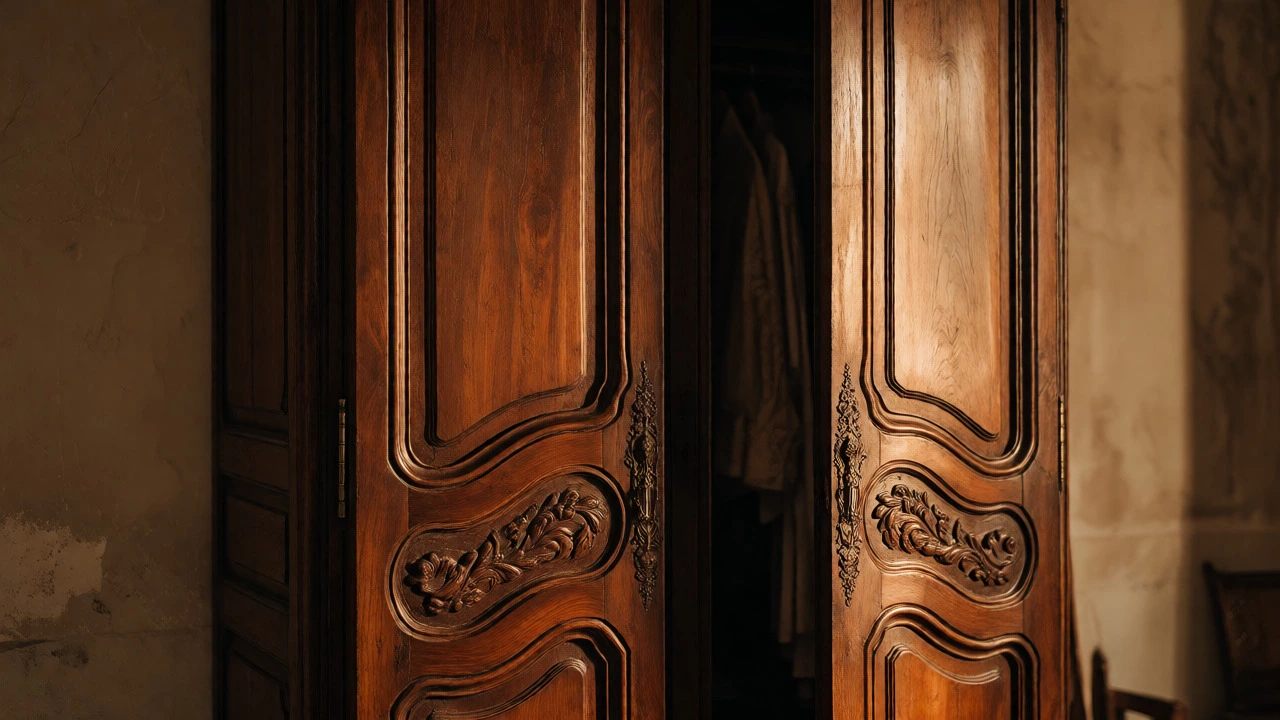
The armoire a large, decorative wardrobe, often made of wood and featuring carved details is the aristocrat of clothing storage. Originating in France, armoires are typically taller, wider, and more ornate than standard wardrobes. They often feature paneled doors, intricate moldings, and interior shelving designed for folded clothes rather than just hanging rails. If you’re into French Country, Victorian, or eclectic styles, an armoire isn’t just storage-it’s a focal point. Just check the depth; they can protrude significantly into a room.
Then there’s the chiffonier a low chest of drawers, often used for storing clothes. This is rarely called a wardrobe today, but historically, it served the same purpose for folded garments. Today, you’d call this a dresser or a chest of drawers. It’s ideal for t-shirts, socks, and underwear, but useless for suits or dresses unless you fold them meticulously.
Don’t forget the press an archaic term for a wardrobe or cupboard, still used in some British dialects. While rare in NZ, you might see it in heritage properties or older British literature. It implies a sturdy, enclosed space, often with solid doors. If you’re restoring a villa in Ponsonby, using the term "press" might help you source period-correct hardware.
Modern Minimalist Alternatives
Not everyone wants a closed box. Modern interior design has shifted toward open, airy, and modular solutions. If you’re looking for words that describe these contemporary setups, here’s what to search for:
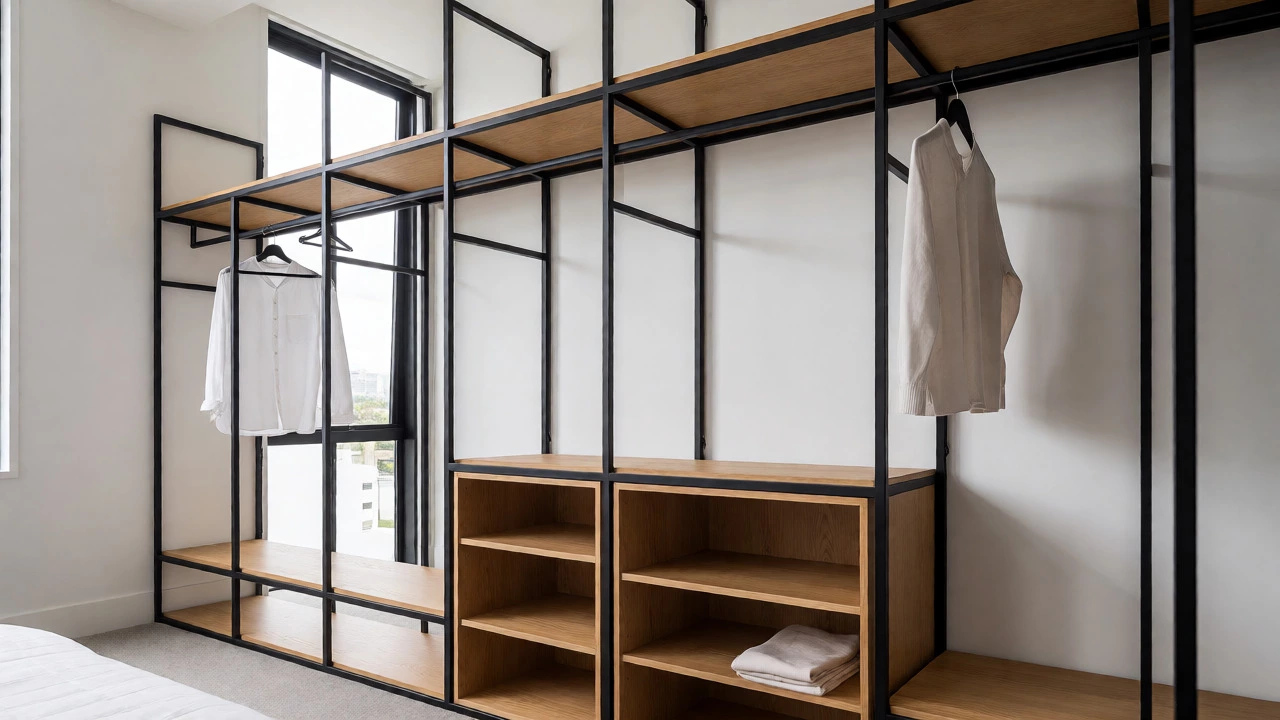
- Open Wardrobe System: Think metal frames with wooden shelves and no doors. Popularized by brands like IKEA (PAX series) and local NZ makers. It looks industrial and keeps clothes visible.
- Freestanding Rail: A single bar on wheels or legs. Great for minimalists who own fewer than 20 items of clothing. Also known as a "clothing rack" or "garment stand."
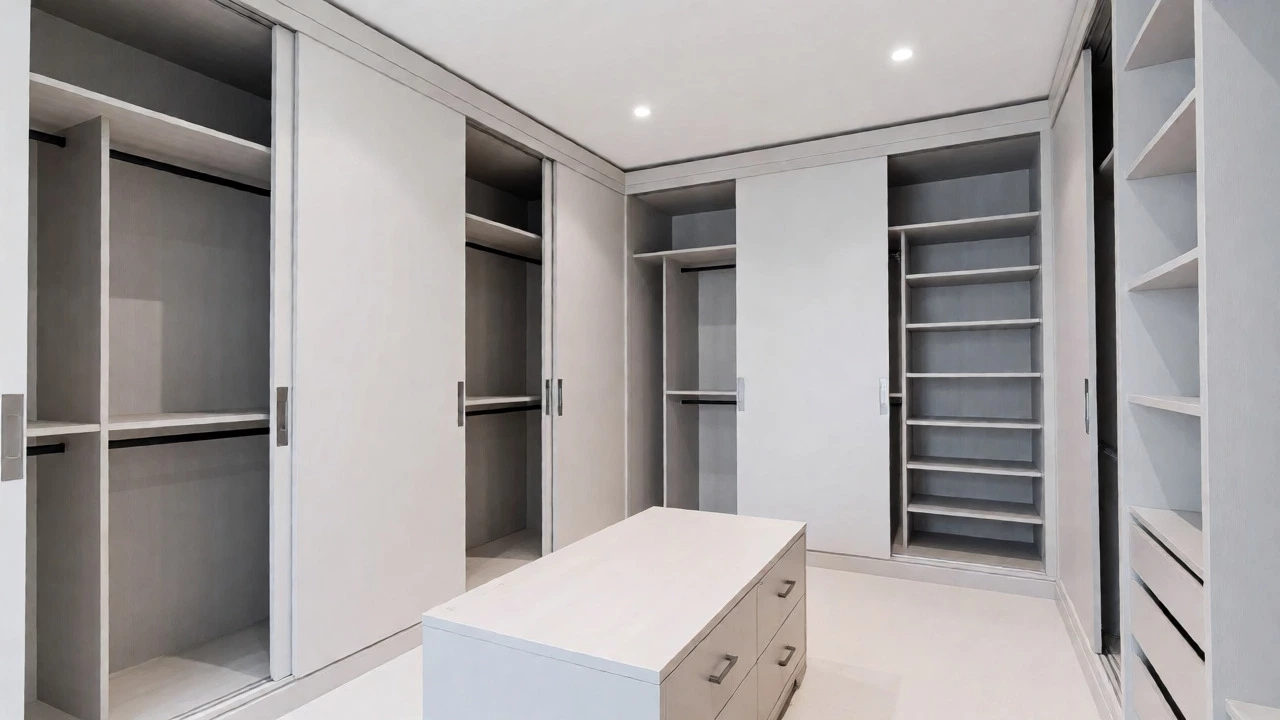
- Dressing Room: This implies a dedicated room, not just a corner. In high-end Auckland apartments, a "dressing room" suggests a separate entrance from the bedroom, complete with island benches and full-length mirrors.
- Modular Storage: Cubes, stackable bins, and customizable grids. Companies like Muji or The Warehouse offer these. They’re cheap, flexible, and easy to move when you change rentals.
Why choose these over a traditional wardrobe? Flexibility. A freestanding rail costs under $100 and takes ten minutes to assemble. An open system lets you see what you own, reducing the "I have nothing to wear" panic. Plus, in humid Auckland winters, airflow is crucial to prevent musty smells-a closed wardrobe can trap moisture if not ventilated properly.
Regional Variations: What Do We Call It Elsewhere?
Language shifts across borders, and so do expectations. If you’re moving internationally or shopping from overseas sites, knowing the local lingo helps.
In the UK, "cupboard" is often used for any enclosed storage, including wardrobes. "Fitted wardrobe" means it’s built into the alcove. In Australia, terms mirror NZ closely, though "robe" is sometimes used as shorthand for "wardrobe" in trade speak (e.g., "robe doors").
In the US, "closet" dominates. Every bedroom has one, even if it’s tiny. "Walk-in closet" is a major selling point. "Armoire" is considered antique. "Closet organizer" refers to the internal shelving systems sold at Home Depot.
In Europe, particularly Italy and Spain, "armadio" is the standard term. It often implies a larger, double-door unit. In Germany, "Kleiderschrank" is the word, and German engineering shines in their hinge mechanisms and space-saving designs.
Understanding these nuances prevents miscommunication. If you’re buying a second-hand "closet" from an American expat in Wellington, ask if it includes the internal rails. Often, Americans leave the fixtures behind, whereas Kiwis might strip the whole thing out.
How to Choose the Right Word (and Item) for Your Space
So, what should you actually call-and buy-for your situation? Let’s break it down by scenario.
Scenario 1: You’re Renting a Small Apartment
You need something portable. Avoid "built-in" or "fitted." Look for a freestanding wardrobe or a clothing rack. If you need drawers too, consider a chest of drawers combined with a rail. Keywords: "IKEA PAX," "metal frame wardrobe," "portable closet."
Scenario 2: You’re Renovating a Family Home
You want permanence and value. Go for a built-in wardrobe or fitted closet. This adds resale value. Use terms like "sliding robe doors," "custom joinery," or "alcove storage." Expect to pay for installation labor.
Scenario 3: You Love Vintage Style
Hunt for an armoire or vintage press. Check online auctions and op-shops. Be prepared for restoration work-polishing wood, replacing handles. This is a statement piece, not just utility.
Scenario 4: You Have No Floor Space
Think vertical. A tallboy (tall chest of drawers) or over-the-door organizers can replace a full wardrobe for light packers. Keywords: "vertical storage," "wall-mounted racks," "under-bed boxes."
Pitfalls to Avoid When Searching
One common mistake is confusing "depth" with "width." Standard wardrobes are 60cm deep to accommodate hangers sideways. If you buy a "cupboard" that’s only 40cm deep, your shirts will wrinkle because they’re hanging front-to-back against the door. Always measure your hanger width plus clearance.
Another trap is ignoring ventilation. Closed wardrobes in damp climates need slatted backs or air bricks. Otherwise, mold sets in within months. Open systems avoid this but gather dust faster. Decide if you prefer cleaning surfaces or airing out clothes.
Finally, don’t underestimate hardware quality. Cheap hinges sag after two years. Look for soft-close mechanisms if you hate slamming doors. In NZ, brands like Blum or Hettich are gold standards for durability.
Final Thoughts: Language Shapes Reality
Words aren’t just labels; they set expectations. Calling your storage a "closet" implies integration and permanence. Calling it a "wardrobe" implies flexibility and independence. Choosing the right term helps you communicate with designers, sellers, and even yourself about what you truly need.
Next time you’re stuck on what to search for, pause. Ask yourself: Is it part of the wall? Is it movable? Is it decorative? Once you answer those, the right word-and the right product-will become obvious.
What is the difference between a wardrobe and a closet?
A wardrobe is typically a freestanding piece of furniture that you can move, whereas a closet is a permanent architectural feature built into the wall or room structure. Closets usually require professional installation, while wardrobes can be assembled DIY.
Is an armoire the same as a wardrobe?
Not exactly. An armoire is a type of wardrobe, but it is traditionally larger, heavier, and more decorative, often featuring carved wood and paneled doors. While all armoires are wardrobes, not all wardrobes are armoires. Modern wardrobes tend to be simpler and more functional.
What is the cheapest alternative to a wardrobe?
The cheapest alternatives are freestanding clothing rails (starting around $50-$100) or fabric pop-up tents. These provide basic hanging space without the cost of cabinetry or installation. For folded clothes, stackable plastic drawers are also very affordable.
Can I turn a cupboard into a wardrobe?
Yes, if the cupboard is deep enough (at least 55-60cm). You would need to remove existing shelves and install a hanging rail. If the cupboard is shallow, you can use pull-out rails or hooks instead, but it won't function as efficiently as a dedicated wardrobe.
What do they call a wardrobe in America?
In the US, the term "closet" is much more common for built-in storage. Freestanding units are still called "wardrobes," but they are less common than in Europe or Australasia. Americans often use "dresser" for chests of drawers and "closet organizer" for internal shelving systems.