Sofa Dirt-Hiding Score Calculator
Select your household situation and desired sofa color to see a practical score on how well it hides messes.
Analysis Result
Select options and click Calculate to see your results.
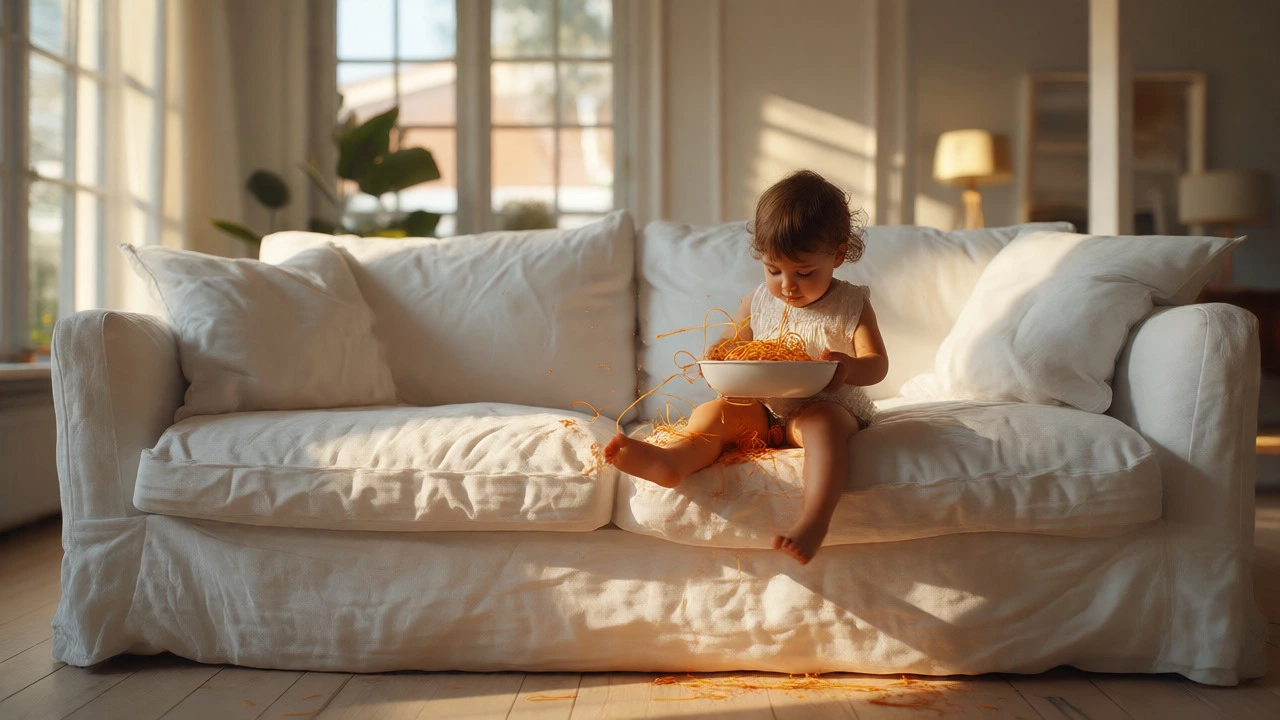
You just spent a small fortune on a pristine white linen sofa. It looks like something out of a magazine spread-crisp, airy, and undeniably chic. Then, your toddler decides that spaghetti night is the perfect time for an experiment in fluid dynamics, or your golden retriever returns from a muddy walk in Auckland’s sudden downpour. Suddenly, that dreamy aesthetic feels like a high-maintenance nightmare.
The question isn't just about aesthetics; it's about peace of mind. You want a sofa that survives real life without you needing a degree in textile conservation. So, what color actually hides dirt? The short answer is complex because "dirt" isn't one thing. Mud, coffee, wine, pet hair, and dust all interact with fabric differently. But there are specific shades and textures that will save your sanity.
The Myth of the "Perfect" Dark Color
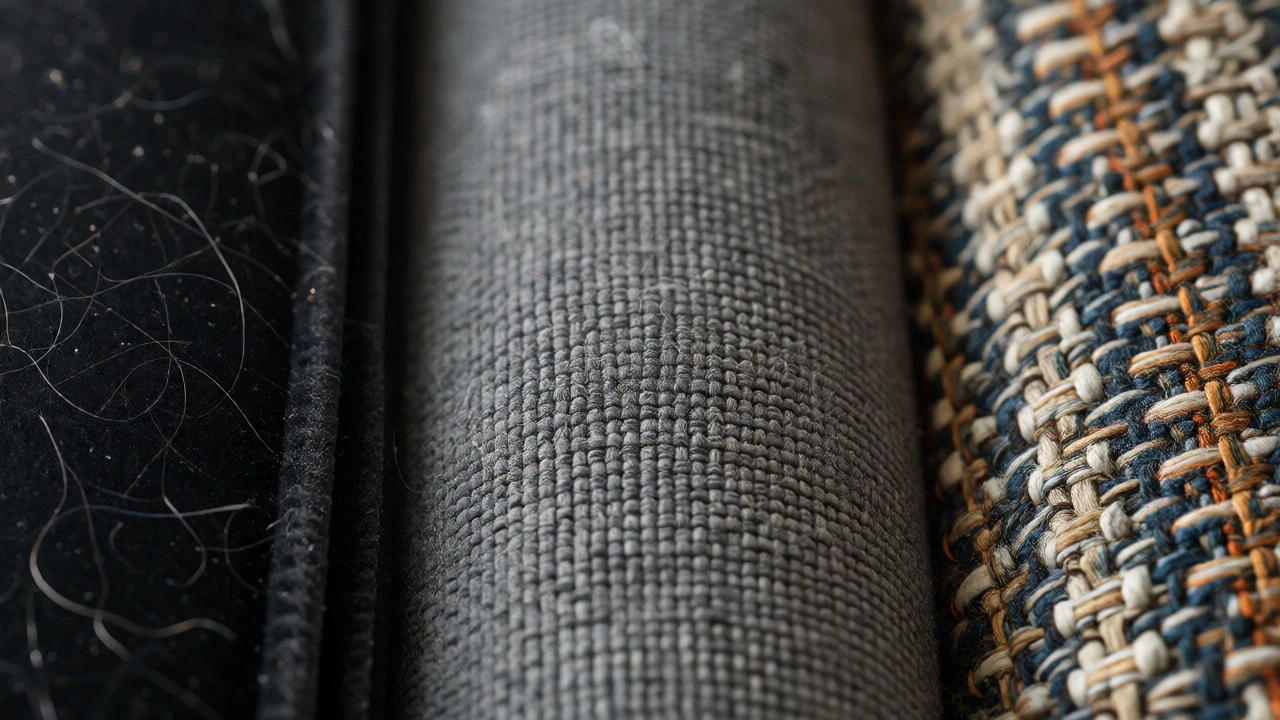
Most people instinctively reach for black or dark navy when they want to hide stains. It makes sense logically: dark colors absorb light, so they don't show shadows or minor discolorations easily. However, this is where intuition fails us. While dark sofas are great at hiding wine spills or ink marks, they are terrible at hiding the most common household grime: dust, lint, and pet hair.
If you have a cat that sheds seasonally or live in a dusty environment, a jet-black velvet sofa will look gray within two weeks. Every speck of dust stands out against the deep background. Similarly, if you have kids who track in sand or mud, dark fabrics can sometimes highlight the contrast between the wet mud (which dries lighter) and the dark fabric. So, while dark colors hide liquid stains well, they demand more frequent vacuuming to maintain their appearance.
Why Medium Tones Are the Sweet Spot
If you want a sofa that truly blends into daily chaos, medium tones are your best friend. Think warm greys, taupes, browns, and muted greens. These colors sit in the middle of the brightness spectrum, meaning they don't contrast sharply with either light dust or dark spills.
Taupe is often cited by interior designers as the ultimate neutral for busy households. It has enough warmth to hide coffee stains and enough depth to mask dust bunnies. Charcoal grey is another heavy hitter. Unlike pure black, charcoal has a bit of texture and lightness that allows dust to blend in rather than pop out. It pairs well with almost any wall color and doesn't scream for attention if a few crumbs land on it.
Browns, specifically chocolate or cognac leather, are also excellent choices. Leather naturally repels many liquids, and the patina that develops over time adds character rather than looking like damage. If you spill red wine on a dark brown leather couch, it wipes off easier than it would on a porous fabric, and the stain is less visible if it does soak in slightly.
Texture Matters More Than Hue
Here is a secret that paint swatches won't tell you: texture plays a massive role in hiding dirt. A flat, smooth surface shows every flaw. A textured surface scatters light, creating visual noise that camouflages imperfections.
- Tweed and Bouclé: These fabrics have a nubby, irregular surface. Spills sink into the fibers rather than sitting on top, and the uneven pattern distracts the eye from spots.
- Microfiber/Suede: This synthetic material is incredibly durable and stain-resistant. Its matte finish absorbs light, making stains less obvious. Plus, it’s easy to clean with just water and mild soap.
- Patterned Fabrics: Geometric prints, florals, or abstract designs are the ultimate cheat code. If you have a blue floral pattern, a blueberry juice stain might just look like part of the design. Patterns break up the visual field, making it hard for the brain to isolate a new spot.
Avoid tightly woven, smooth cottons or silks if you want low maintenance. They tend to hold onto dust and show water rings clearly.
Color Choices Based on Your Household Profile
Your ideal sofa color depends entirely on who-or what-is living with you. Let's break it down by scenario.
| Household Scenario | Recommended Colors | Why It Works | Fabric Recommendation |
|---|---|---|---|
| Families with Young Kids | Medium Grey, Navy Blue, Patterned | Hides food spills and crayon marks; patterns distract from messes. | Performance Velvet or Microfiber |
| Pet Owners (Dogs/Cats) | Warm Brown, Taupe, Charcoal | Masks fur and paw prints; earth tones blend with natural oils. | Tightly Woven Synthetic or Leather |
| Dusty Environments | Light Grey, Beige, Cream (with texture) | Dust is light-colored, so light backgrounds hide it better than dark ones. | Linen Blend or Textured Cotton |
| Minimalist/Modern Homes | Slate Grey, Olive Green, Deep Teal | Rich colors feel intentional; darker hues hide general wear. | Velvet or Wool Blend |
The Pet Factor
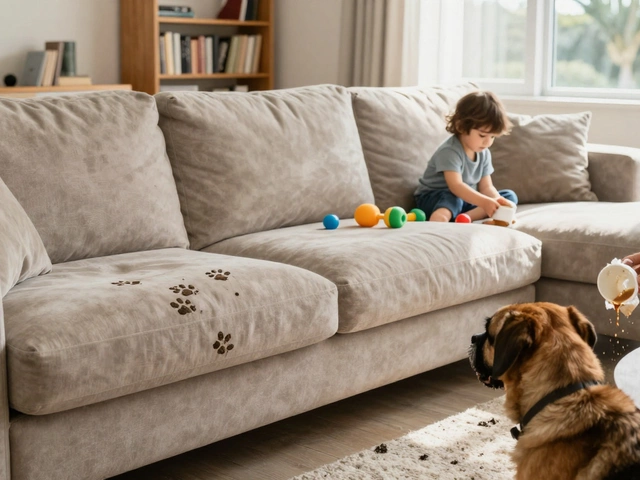
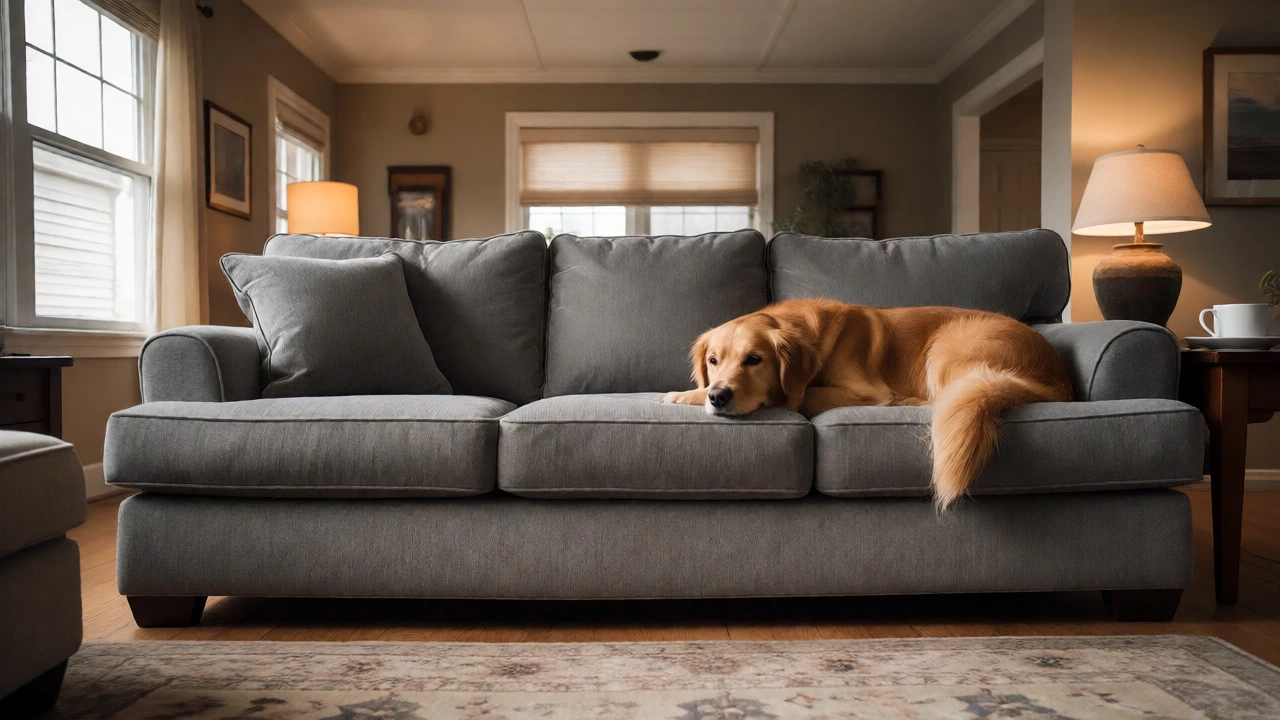
If you have pets, you aren't just dealing with dirt; you're dealing with hair and oils. Cat hair tends to be finer and sticks to static-prone fabrics. Dog hair is coarser but can shed heavily. For pet owners, avoid bright whites and stark blacks. Instead, go for colors that match your pet's fur. If you have a beige labrador, a cream or oatmeal sofa will hide those stray hairs effortlessly. If you have a black dog, a dark grey or patterned fabric with dark accents works best.
Also, consider the oiliness of pet skin. Over time, pet oils can darken certain fabrics. Natural fibers like cotton may absorb these oils and create shiny patches. Synthetic blends like polyester or olefin are more resistant to oil-based staining and are generally easier to wipe down.
The Kid Factor
Kids bring a unique set of challenges: sticky hands, juice boxes, and unexpected art projects. Here, pattern is king. A solid-colored sofa requires immediate action when a stain appears. A patterned sofa gives you breathing room. Look for busy prints in medium-dark tones. Avoid large, sparse patterns where a single stain stands out like a sore thumb.
Navy blue is a surprisingly good choice for kids' rooms or family dens. It looks sophisticated but hides the typical blueberry or grape juice stains remarkably well. Plus, it doesn't show the yellowish tint of old milk spills as badly as white or cream would.
Fabric Technology: Beyond Color
Color is only half the battle. The material itself determines how well a stain stays hidden or removable. In recent years, fabric technology has advanced significantly. Brands now offer "performance fabrics" designed specifically for durability and stain resistance.
Crypton Fabric, for example, is treated with a barrier that prevents liquids from penetrating the fibers. This means even if you choose a lighter color, the stain sits on the surface until you blot it away. Similarly, Sunbrella fabrics, originally designed for outdoor use, are incredibly resilient against UV fading and moisture.
When shopping, ask about the "double rub count." This measures abrasion resistance. For a household with heavy traffic, aim for a double rub count of 15,000 or higher. Anything below 9,000 is suitable for decorative pieces but won't last long under constant use.
Care Tips to Keep Your Sofa Looking New
Even the best color choice needs maintenance. Here are some quick rules to extend the life of your upholstery:
- Vacuum Weekly: Dust acts like sandpaper on fabric fibers. Regular vacuuming removes abrasive particles before they grind into the weave.
- Blot, Don't Rub: When a spill happens, blotting lifts the liquid. Rubbing pushes it deeper into the fibers and spreads the stain.
- Rotate Cushions: Sunlight fades fabric unevenly. Rotating cushions ensures uniform aging, preventing one side from looking noticeably different.
- Professional Cleaning Annually: Even if it looks clean, embedded dirt builds up. Professional steam cleaning resets the fabric's appearance.
Remember, no sofa is indestructible. But choosing the right color and texture reduces the stress of maintaining it. It allows you to enjoy your home without constantly worrying about the next spill.
Final Verdict: What Should You Buy?
If you want a single recommendation that balances style, practicality, and dirt-hiding capabilities, go with a medium-grey textured microfiber sofa. It hits the sweet spot for lighting conditions, hides both dust and spills reasonably well, and is affordable to replace if disaster strikes. If you prefer a warmer vibe, opt for a taupe linen-blend with a subtle weave.
Don't let fear of dirt dictate your entire design scheme. With the right choices, you can have a beautiful space that welcomes life's messes rather than fighting them.
Does white furniture really get dirty faster?
White furniture doesn't necessarily get dirty faster, but it shows dirt immediately. Any speck of dust, crumb, or shadow is highly visible against a white background. This creates a perception of being dirtier, requiring more frequent cleaning to maintain its pristine look compared to mid-tone colors.
Is leather easier to clean than fabric?
Generally, yes. Leather is non-porous, so spills sit on the surface and can be wiped away quickly. However, leather can scratch, crack, or develop a patina that changes its appearance. Fabric, especially performance fabrics, can be more forgiving regarding scratches but may require deeper cleaning methods for stubborn stains.
What color sofa is best for hiding pet hair?
The best color matches your pet's fur. If you have a light-colored pet, choose beige, cream, or light grey. If you have a dark pet, choose charcoal, navy, or dark brown. Patterned fabrics are also excellent because the visual complexity helps camouflage stray hairs regardless of color.
Do dark sofas make a room look smaller?
Dark sofas can visually recede, which might make a small room feel cozier but potentially smaller. However, using contrasting light walls or rugs can offset this effect. In larger rooms, a dark sofa anchors the space and adds drama without shrinking the perceived size.
How do I remove tough stains from a colored sofa?
Always check the manufacturer's cleaning code first (W, S, WS, or X). For most colored fabrics, test a cleaner in an inconspicuous area. Use a mixture of mild dish soap and water for organic stains. Blot gently with a white cloth. Avoid harsh chemicals like bleach, which can cause permanent discoloration.