Kakebuton Lifestyle Fit Checker
Answer these questions to see if the traditional Japanese foldable bed matches your lifestyle.
Analyze Your Fit
Adjust the sliders on the left to calculate your compatibility score with the Kakebuton system.
Analyze Your Fit
Adjust sliders above.
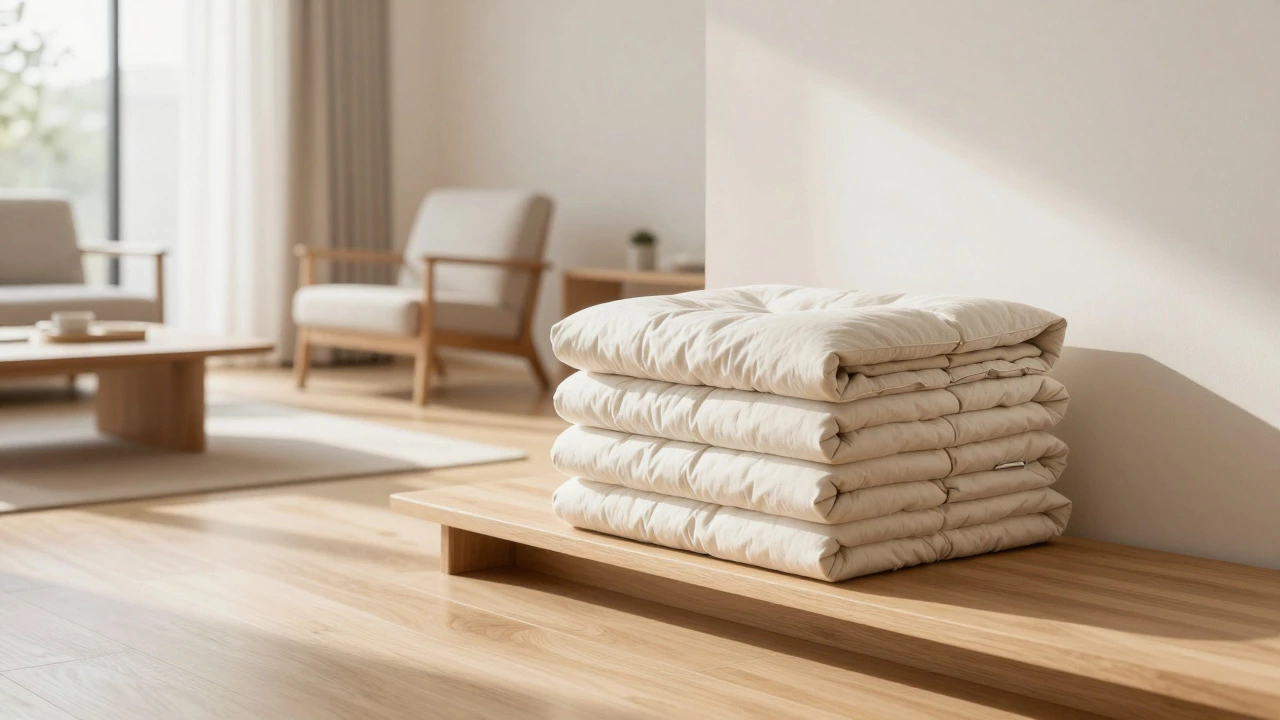
Imagine waking up in your living room, folding your sleeping surface into a neat square, and placing it against the wall to make space for your morning coffee. This isn't a magic trick; it's the daily routine of millions of people using a kakebuton is a traditional Japanese bedding system consisting of a thin cotton or wool blanket (kake) and a matching under-blanket (futon), designed to be folded and stored away during the day. Unlike bulky Western mattresses that stay on frames all year round, this setup turns any floor space into a bedroom at night and frees it up by morning.
If you are searching for ways to maximize small spaces or want to try a different sleep experience, understanding how this works is the first step. It’s not just a piece of fabric; it’s a complete lifestyle approach to sleeping that prioritizes flexibility over permanence. Here is everything you need to know about what makes it unique, how it differs from standard sofa beds, and whether it fits your home.
The Core Components: What Makes Up a Kakebuton?
To truly understand the system, you have to break it down into its two distinct layers. The term itself is a compound word in Japanese: kake means "to hang" or "cover," referring to the top blanket, while futon refers to the underlying mat or under-blanket.
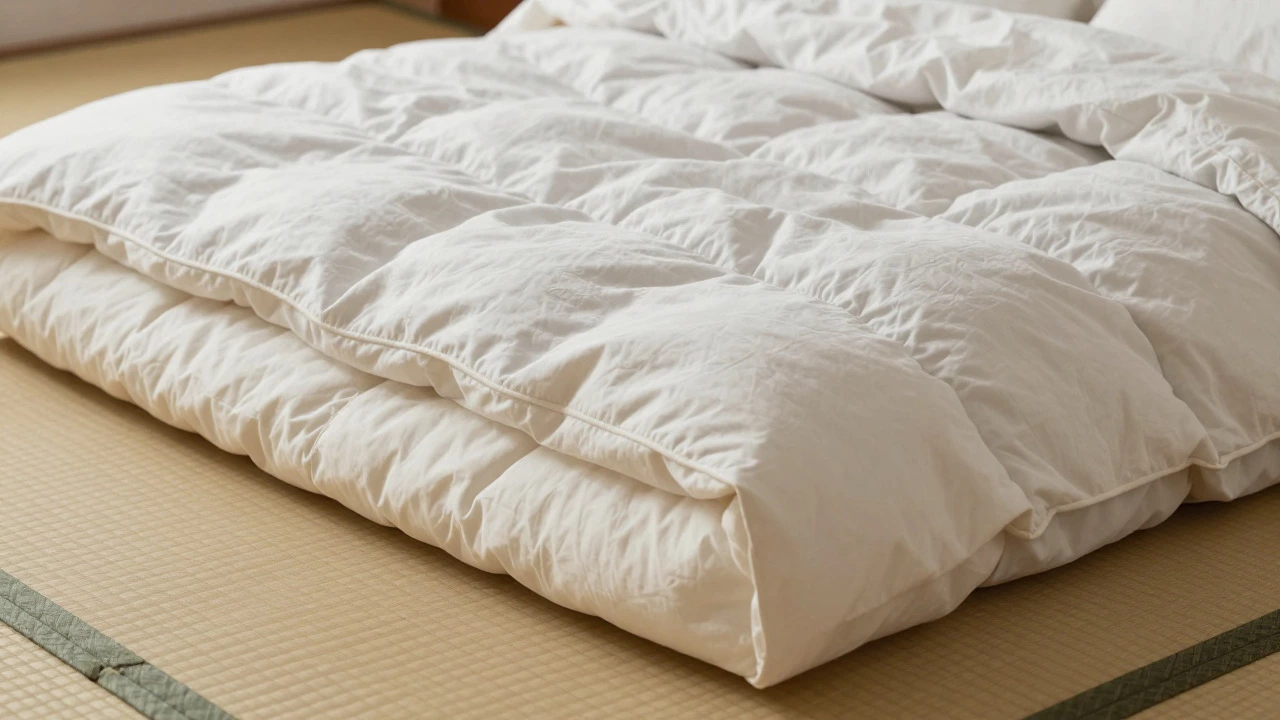
- The Futon (Under-layer): This is the base layer. Traditionally, it is a thick, quilted mat filled with cotton batting. In modern versions, you might find synthetic fills or thinner hybrid materials. Its job is insulation and cushioning against the hard floor.
- The Kake (Top-layer): This is the comforter or duvet placed on top. It provides warmth and can be adjusted for temperature control. You can swap out kakes depending on the season without changing the entire bed structure.
This separation is key. You aren't buying one massive, heavy object. Instead, you are managing two separate textiles that work together. This modularity allows for easier cleaning, drying, and storage compared to an all-in-one mattress.
Kakebuton vs. Sofa Beds: A Practical Comparison
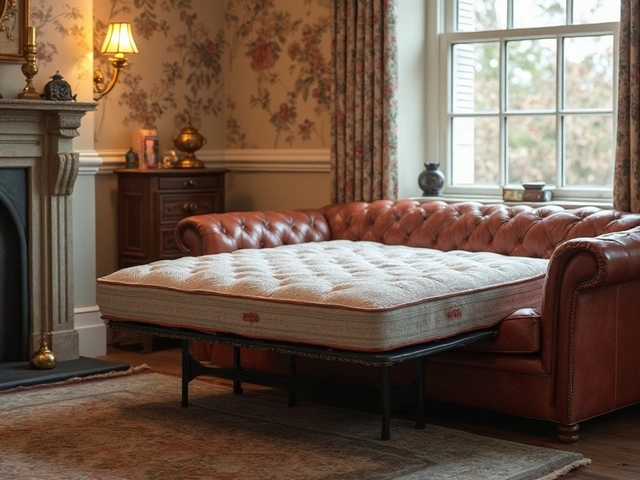
You might be familiar with sofa beds, which are popular in apartments because they hide a bed inside a couch. While both serve the purpose of space-saving, the mechanics and user experience differ significantly.
| Feature | Kakebuton | Sofa Bed |
|---|---|---|
| Storage Method | Folded flat or rolled, stored in closet/cupboard | Mechanically locked inside sofa frame |
| Daily Setup Time | 5-10 minutes (unfolding) | 2-5 minutes (pulling out mechanism) |
| Comfort Level | Depends on tatami/floor padding; firm support | Variable; often softer due to spring/foam core |
| Airflow & Hygiene | High airflow when aired out; easy to dry | Limited airflow; harder to clean deep crevices |
| Space Footprint | Zero footprint when stored vertically/horizontally | Occupies sofa footprint permanently |
The biggest advantage of the kakebuton is its total disappearance from the room layout. A sofa bed still looks like a sofa, even if it’s ready for guests. A kakebuton, once folded, becomes a stack of blankets. You can slide it under a low table, into a wardrobe, or behind a door. For those who live in multi-functional rooms where the living area needs to look like a living area, not a guest room, this distinction matters.
Why People Choose Floor Sleeping
There is a cultural shift happening globally toward minimalism and flexible living. The kakebuton appeals to this mindset for several practical reasons beyond just aesthetics.
Health and Spinal Alignment: Many practitioners argue that sleeping on a firm surface, as provided by a quality futon mat, promotes better spinal alignment than sinking into a soft foam mattress. The resistance of the floor prevents the body from sagging, which some users report helps reduce back pain.
Temperature Regulation: Because the components are separate, you have granular control over your microclimate. Too hot? Remove the kake. Too cold? Add an extra layer. With a standard mattress, you’re stuck with whatever fill was sewn in years ago.
Hygiene and Air Drying: One of the most overlooked benefits is maintenance. After sleeping, you can shake out the futon and leave it open in a sunny spot for an hour. This natural airing process kills dust mites and removes moisture far more effectively than flipping a heavy box-spring mattress. In humid climates like Auckland, New Zealand, this quick-dry capability is a significant plus for preventing mold buildup in bedding.
Setting Up Your Space: What You Actually Need
Buying the bedding is only half the battle. To use a kakebuton comfortably, you need to consider the surface you are sleeping on.
- The Surface: Ideally, you sleep on tatami mats, which provide natural cushioning and humidity control. If you don’t have tatami, use a high-density yoga mat, a carpet, or a dedicated sleeping pad. Avoid bare concrete or tile directly under the futon, as it will feel too hard and cold.
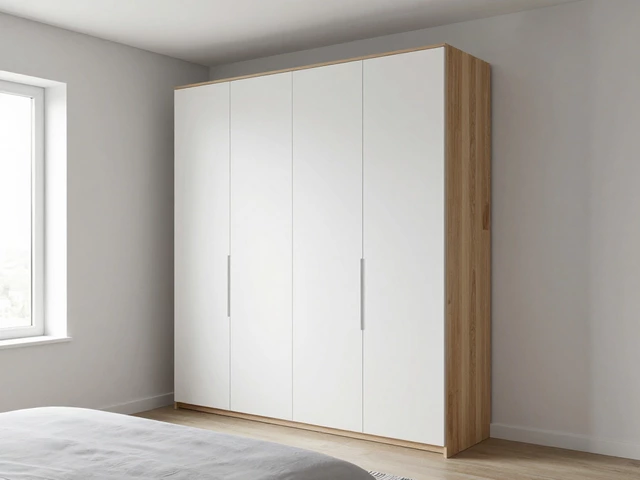
- Storage Solution: You need a place to put the folded stack. A tall wardrobe, a dedicated cupboard, or even a large laundry basket works. The stack typically measures around 60cm x 60cm x 20cm when folded, similar to a large pillow.
- Pillows: Traditional setups use smaller, firmer pillows. You may need to adjust the number of pillows to match your neck preference, as the head position relative to the floor changes compared to a raised bed frame.
It’s worth noting that this setup requires a change in routine. You are committing to making and breaking your bed every single day. If you hate tidying up, this might feel like a chore. But for many, the act of smoothing out the futon becomes a meditative part of their morning and evening ritual.

Modern Variations and Hybrid Approaches
Traditional cotton-only sets can be heavy and take time to fluff. Modern manufacturers have introduced hybrids that cater to Western preferences while keeping the foldable benefit.
- Memory Foam Layers: Some brands offer thin memory foam toppers that can be attached to the futon mat for extra plushness. These usually come with Velcro straps so they stay in place but can be removed for washing.
- Synthetic Fills: Polyester-filled kakes are lighter and retain heat better than pure cotton, making them suitable for colder winters without needing multiple layers.
- Compact Designs: There are now "travel" size kakebutons designed for camping or dorms, which are smaller and feature quick-dry fabrics.
These innovations bridge the gap between traditional practice and modern comfort expectations. You get the space-saving utility of the Japanese style without sacrificing the softness you might be used to.
Is It Right for You? Decision Factors
Before jumping in, ask yourself a few honest questions about your lifestyle. This isn't a one-size-fits-all solution.
Choose a Kakebuton if: - You live in a studio or small apartment. - You have limited storage space for a spare bed. - You prefer a firm sleeping surface. - You enjoy having a clear, uncluttered living space during the day. - You are willing to spend 10 minutes a day on bedding maintenance.
Stick with a Sofa Bed or Mattress if: - You have chronic joint issues that require very soft pressure relief. - You dislike the idea of sleeping on the floor. - You need a permanent, hands-off sleeping arrangement. - Your living room already has a large sofa that doubles as seating for guests.
For many in urban centers, the kakebuton offers a refreshing alternative to the clutter of dual-purpose furniture. It simplifies your life by removing the visual weight of a bed from your primary living space. It’s a tool for freedom, allowing your room to be whatever you need it to be at any given moment.
How do I clean a kakebuton?
Most modern kakebutons have removable covers that are machine washable. Check the care label for specific instructions. For the inner futon mat, avoid wet washing unless specified. Instead, air it out regularly in sunlight and vacuum it gently to remove dust. If stains occur, spot clean with mild detergent and let it dry completely before refolding.
Can I use a kakebuton on a regular carpet?
Yes, but it is recommended to place a non-slip mat or a thin yoga mat underneath to prevent sliding and add a buffer between the hard floor and the futon. This also helps with hygiene and makes it easier to pick up the bedding if needed.
Is a kakebuton warm enough for winter?
It depends on the fill material. Wool or high-loft synthetic fills provide excellent insulation. In very cold climates, you can layer a second kake or use a heated blanket underneath. The layered design actually allows for better temperature adjustment than a single heavy duvet.
How long does it last?
With proper care, a quality cotton futon can last 5-10 years. Synthetic versions may last longer but can lose loft over time. Regular airing and gentle handling extend the lifespan significantly. Replacing just the outer cover is cheaper than replacing the whole unit.
Where can I buy a kakebuton in New Zealand?
You can find traditional imports through specialized Japanese goods stores or online retailers. Local furniture stores sometimes carry hybrid versions labeled as "foldable futons" or "space-saving bedding." Check local classifieds for handmade options, which are often custom-sized and made with locally sourced fabrics.