Grey Couch Styling & Decision Assistant
Answer three quick questions about your living space to get personalized recommendations for your grey sofa choice and styling tips.
Select your options and click "Get My Recommendation" to see your ideal grey couch strategy.
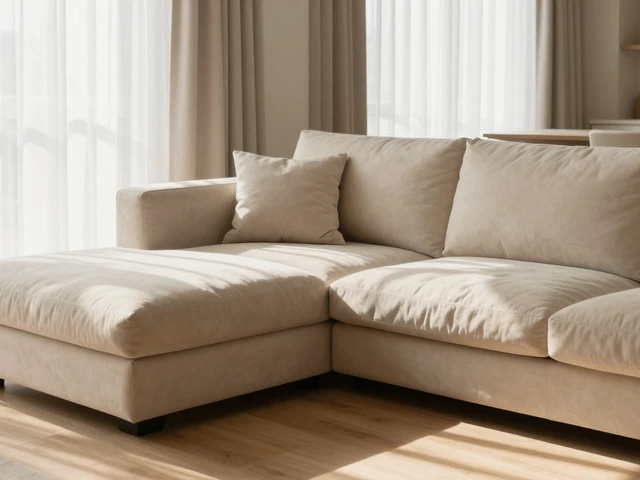
Walk into almost any living room in Auckland-or anywhere else on this planet-and you will likely spot a grey couch. It is not just a fleeting trend; it has become the default choice for millions of homeowners. But why? Is it because we are all afraid of making a mistake with color? Or is there something genuinely practical about that neutral shade? The truth lies somewhere in between. A grey couch is essentially the chameleon of sofa sets, adapting to whatever style you throw at it while hiding the inevitable stains of daily life.
This article breaks down exactly why grey remains the king of upholstery colors. We will look at the psychology behind the color, its unmatched versatility, and how you can actually make it work without your living room looking like a hospital waiting area. If you are stuck in the "grey paralysis" loop, trying to decide if you should buy one or branch out, this guide will help you make a confident decision.
The Psychology of Neutrality
Color affects mood more than we realize. Bright reds raise heart rates; blues calm them down. Grey sits comfortably in the middle. It is the color of balance. When you sit on a grey sofa, you are not being bombarded by visual noise. This makes it an ideal anchor for a space where you want to relax after a long day.
Think about the last time you walked into a friend’s house with bold yellow walls and purple chairs. It was probably memorable, but maybe a bit chaotic. Now think of a room with soft grey tones. It feels curated, calm, and spacious. That psychological comfort is a huge driver of popularity. People want their homes to feel like sanctuaries, not art galleries. Grey delivers that sanctuary vibe instantly.
Versatility: The Chameleon Effect
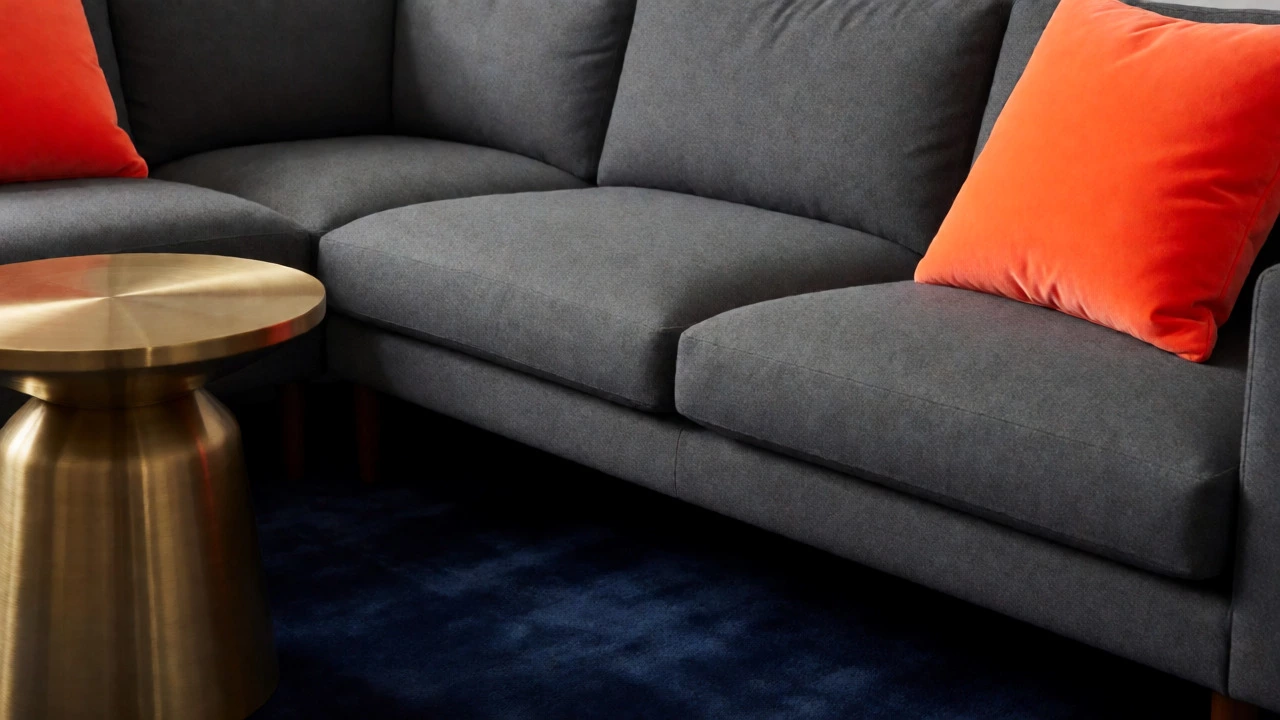
Here is the biggest reason designers love grey: it goes with everything. You can pair a charcoal sectional with neon orange cushions, and it works. You can pair a light dove-grey loveseat with traditional wood finishes, and it also works. This flexibility means you don’t have to replace your main piece of furniture every time you want to change your decor theme.
Imagine you buy a bright teal sofa today. In two years, you decide you hate teal and want a rustic farmhouse look. You now have a massive problem. Your expensive sofa clashes with your new vision. With a grey couch, you simply swap out the throw pillows and rugs. The sofa stays relevant regardless of whether you are going for mid-century modern, industrial chic, or coastal minimalism.
| Feature | Grey Sofa | Colored Sofa (e.g., Blue/Green) |
|---|---|---|
| Trend Resistance | High - Remains stylish for decades | Medium - Can look dated quickly |
| Resale Value | Higher - Appeals to wider buyer pool | Lower - Niche appeal |
| Decor Changes | Easy - Change accessories only | Hard - May require full room redo |
| Cleanliness Perception | Hides dust and minor stains well | Shows dirt and fading clearly |
Practicality: Hiding the Mess
Let’s be honest: life is messy. Kids drop juice boxes. Dogs shake off mud. Cats shed fur everywhere. If you own a white linen sofa, you live in constant fear. If you own a black leather one, you see every single speck of dust. Grey hits the sweet spot.
Mid-tone greys are particularly good at masking imperfections. They are dark enough to hide small spills until you get around to cleaning them, but light enough that they don’t absorb too much heat or make the room feel cave-like. For families with pets or young children, this practical benefit alone often outweighs aesthetic preferences. It reduces stress. And isn’t reducing stress what home decor is supposed to do?

Lighting and Space Illusion
In many apartments, especially in cities like Auckland where natural light can be tricky depending on orientation, maximizing perceived space is crucial. Lighter shades of grey reflect light better than darker colors, helping rooms feel airier and larger. Unlike beige, which can sometimes feel warm and heavy, grey offers a cooler, cleaner reflection that keeps the space feeling crisp.
However, context matters. In a north-facing room with abundant sunlight, a dark charcoal grey adds depth and coziness without shrinking the room visually. In a dim basement lounge, a pale silver-grey prevents the space from feeling gloomy. Understanding how your specific lighting interacts with grey tones is key to avoiding a flat-looking room.
How to Style a Grey Couch Without Being Boring
The criticism grey often faces is that it can look bland. "My living room looks like a cloud," people say. The solution isn’t to abandon grey; it’s to layer textures and accents properly. A grey couch is a canvas, not the final painting.
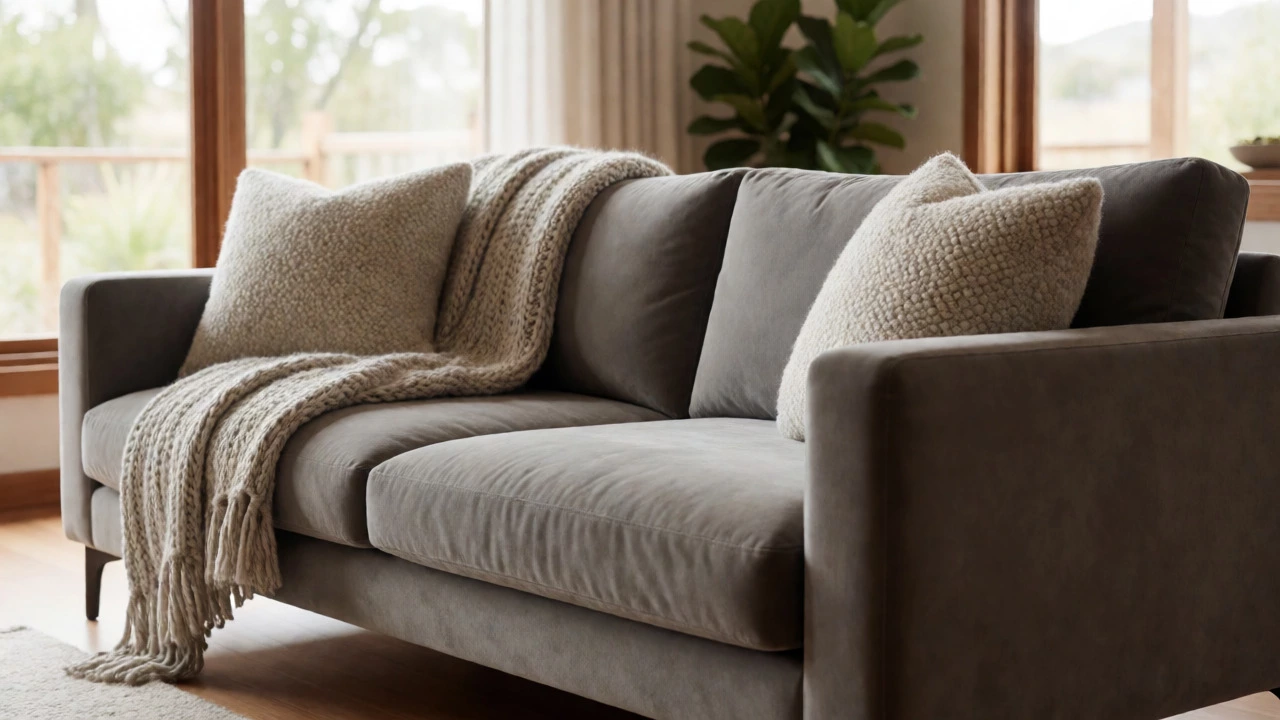
- Mix Textures: Combine a smooth velvet grey sofa with chunky knit throws and nubby wool cushions. Texture creates visual interest even when colors are similar.
- Add Metallic Accents: Gold, brass, or copper side tables pop beautifully against grey fabric. These metals add warmth and luxury.
- Use Greenery: Plants look incredible next to grey. The vibrant green of a fiddle-leaf fig or monstera contrasts sharply with the neutral background, bringing life to the room.
- Introduce Wood Tones: Warm wood floors or coffee tables counteract the coolness of grey, creating a balanced, inviting atmosphere.
Don’t be afraid of contrast. Pair a light grey sofa with a deep navy rug or a burnt orange armchair. The neutrality of the sofa allows these bolder elements to shine without overwhelming the eye.
The Downside: Why Some People Regret Grey
It wouldn’t be fair to ignore the drawbacks. Some homeowners find grey depressing over time. If you choose a cool-toned grey in a room with poor lighting and no other warm colors, the space can feel sterile or clinical. This is known as "grey fatigue." To avoid this, ensure you introduce warm undertones through rugs, curtains, or artwork.
Another issue is matching. Not all greys are created equal. One manufacturer’s "charcoal" might have a blue undertone, while another’s has a brown undertone. When buying additional pieces like ottomans or accent chairs, always bring a swatch home. Check it under different lights throughout the day before committing. Mismatched greys can look accidental rather than intentional.
FAQs About Grey Sofas
Is grey still in style for 2026?
Yes, absolutely. While warmer neutrals like beige and cream are seeing a resurgence, grey remains a staple because of its versatility. It serves as a foundational neutral that supports various design trends, from Japandi to Industrial Modern. As long as you style it correctly with texture and accent colors, it won't look outdated.
What color rug goes best with a grey couch?
You have endless options. For a high-contrast look, try a dark navy or charcoal rug. For warmth, choose a rug with rust, terracotta, or mustard tones. If you prefer a monochromatic scheme, pick a rug with varying shades of grey and interesting patterns. Avoid rugs that are the exact same shade as the sofa unless they differ significantly in texture, otherwise, the room may look flat.
Does grey show pet hair easily?
It depends on the shade. Darker greys (charcoal) tend to hide dark pet hair well but highlight white or light-colored fur. Lighter greys hide light pet hair but show dark fur. Mid-tone greys are generally the most forgiving for mixed households. Regular vacuuming with an upholstery attachment is still necessary regardless of color.
How do I keep my grey couch clean?
Vacuum weekly to remove dust and debris. Treat spills immediately with a blotting motion-never rub. Use a fabric protector spray upon purchase to repel liquids. For deeper cleans, hire professional steam cleaning once a year. Always check the care label (W, S, WS, or X) to know which cleaning methods are safe for your specific fabric blend.
Should I choose warm or cool grey?
Look at the fixed elements in your room. If you have cool materials like marble, glass, or stainless steel, go with a cool grey (blue or green undertones). If you have warm woods, brick, or golden lighting, choose a warm grey (brown or taupe undertones). Matching the undertone creates harmony; clashing them can make the room feel disjointed.
Final Thoughts on Making the Switch
Choosing a grey couch isn’t about playing it safe; it’s about strategic design. It gives you a reliable foundation that adapts to your evolving taste and lifestyle demands. Whether you are furnishing a starter apartment or upgrading a family home, the durability and flexibility of grey make it a smart investment. Just remember to add personality through accessories, and you’ll have a living room that feels both timeless and uniquely yours.