Office Chair ROI & Value Calculator
Your Work Profile
$450
Estimated Price Range
5-Year Cost Breakdown
Enter your details and click Analyze to see which chair tier offers the best return on investment.
Most people treat their desk chair like an afterthought. They buy the cheapest option at a big-box store, sit in it for eight hours a day, and then wonder why their lower back feels like it’s been hit by a truck by 3 PM. But here is the hard truth: your chair is not just furniture. It is medical equipment disguised as seating. If you spend half your waking life sitting, spending nothing on support is essentially paying with your spine.
So, how much should you actually spend? The short answer is that a "good" chair-one that protects your posture and lasts more than two years-usually sits between $250 and $800. Anything less than $150 is likely a rental fee for pain, and anything over $1,500 is often paying for brand prestige rather than physical benefit. Before we break down the numbers, consider this: if you work from home or have a sedentary job, your health is the primary asset at stake. For context, some people prioritize comfort so highly they look into specialized services or companionship to manage stress, such as browsing directories like this resource, but for most of us, the first line of defense against daily fatigue is simply sitting correctly.
The Three Tiers of Office Chair Pricing
To understand where your money goes, you need to look at the market in three distinct tiers. Each tier offers a different balance of durability, adjustability, and warranty coverage.
Tier 1: The Budget Band ($50 - $150)
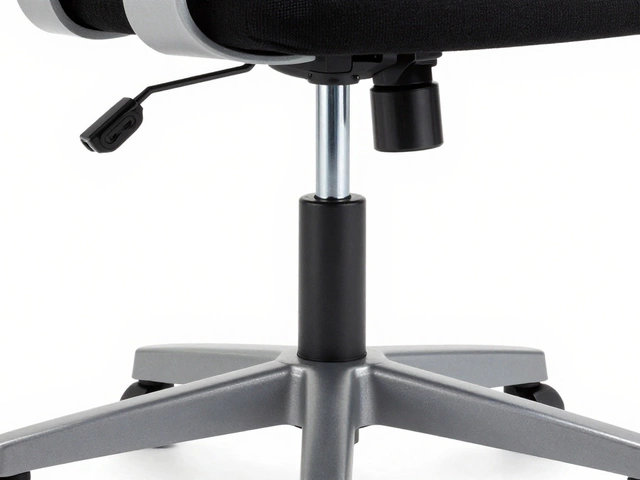
In this range, you are mostly buying plastic and basic foam. These chairs often come pre-assembled from flat-pack stores. They might look sleek, but they rarely offer lumbar support that adjusts to your specific spine curve. The gas lift cylinders in this price range are the weakest link; they tend to lose pressure within six months to a year, causing the seat to sink slowly every time you sit down. This tier is fine for a guest room or a child’s play area, but it is dangerous for full-time work. The lack of tilt tension control means you either rock forward uncontrollably or stay locked in a rigid position, both of which strain your hips.
Tier 2: The Sweet Spot ($250 - $800)
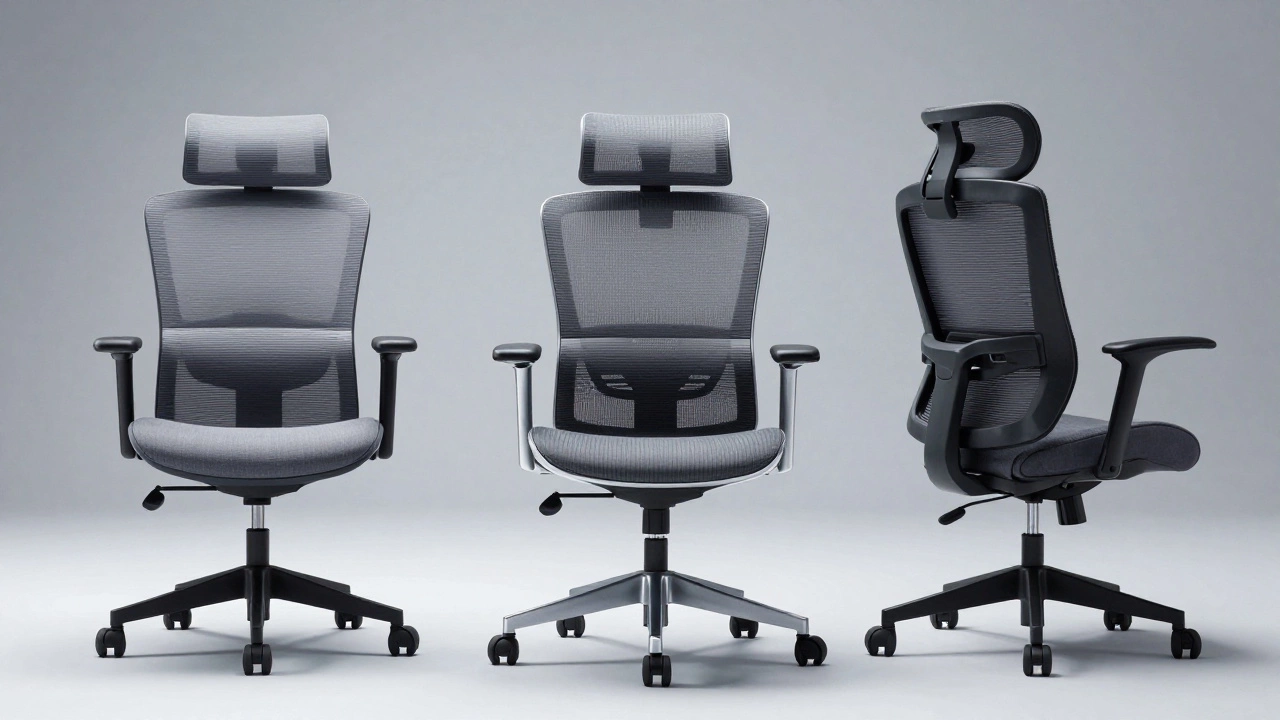
This is where the magic happens. In this bracket, you get chairs built with commercial-grade materials. Think aluminum bases instead of cheap chrome-plated steel, high-density molded foam instead of compressed polyurethane, and mesh backs that breathe. Brands like Herman Miller (entry-level models), Steelcase, Haworth, and Humanscale dominate this space. More importantly, these chairs offer multi-point adjustability. You can tweak the armrests, the seat depth, the lumbar height, and the recline tension. A chair in this range usually comes with a 10-to-12-year warranty, signaling that the manufacturer expects it to survive heavy daily use. If you sit for more than four hours a day, this is the minimum investment required to avoid chronic pain.
Tier 3: The Luxury Zone ($1,000 - $2,000+)
At this level, you are paying for incremental gains and premium materials. You might get active sitting mechanisms that move with you automatically, or upholstery made from sustainable fabrics. While these chairs are exceptional, the jump in comfort from a $700 chair to a $1,500 chair is often marginal. Unless you have specific biomechanical needs or a corporate budget that doesn’t care about ROI, the law of diminishing returns hits hard here. You aren't buying better health; you're buying status symbols and slightly smoother mechanisms.
What Actually Costs Money Inside a Chair?
When you see a price tag of $600, you aren't just paying for fabric and wheels. You are paying for engineering. Here are the components that drive up the cost:
- The Mechanism: Cheap chairs use simple plastic hinges. High-end chairs use complex lever systems that allow you to lock the tilt, adjust the resistance, and synchronize the backrest angle with the seat pan. This synchronization prevents your thighs from cutting off circulation when you lean back.
- Lumbar Support Technology: Static foam rolls do nothing for dynamic movement. Expensive chairs feature adaptive lumbar systems that respond to your weight and posture changes in real-time. Some even allow you to adjust the firmness and height independently.
- Material Longevity: Mesh isn't just one thing. Low-cost mesh sags and loses elasticity quickly. Premium mesh (like those used by top-tier brands) is woven to maintain tension for decades. Similarly, high-density foam retains its shape, whereas cheap foam flattens into a pancake within a year.
- Warranty and Service: A 12-year warranty isn't just marketing. It covers the cost of replacing parts like casters, gas lifts, and armrest pads. When you factor in the cost of replacing a $100 chair every two years, a $700 chair paid for itself in five years.
The Hidden Cost of Cheap Chairs
Let's talk about the invisible expenses. Buying a $90 chair seems smart until you account for the health costs. Poor ergonomics lead to musculoskeletal disorders. According to occupational health studies, lower back pain is the leading cause of disability worldwide, and prolonged sitting in unsupported positions is a major contributor.
If you develop chronic back issues, you might end up spending hundreds on physical therapy, chiropractic adjustments, or massage. That adds up fast. Furthermore, there is the productivity tax. Discomfort distracts you. You shift, fidget, and take breaks just to relieve pressure. A good chair keeps you comfortable enough to stay focused. If you earn an average salary, the lost productivity from constant discomfort could easily exceed the price difference between a budget chair and a quality one.
Key Features to Prioritize Based on Your Budget
You don't need every feature to get a good chair. Depending on your budget, focus on these non-negotiables:
| Feature | Under $150 | $250 - $800 | Over $1,000 |
|---|---|---|---|
| Adjustable Lumbar | Rarely available | Height adjustable | Depth & Height adjustable |
| Armrests | Fixed or flip-up | 4D adjustment (height, width, depth, pivot) | Soft-touch, fully adaptive |
| Seat Depth | Fixed | Adjustable slider | Waterfall edge, adjustable |
| Tilt Tension | None or basic knob | Multi-position lock | Auto-sensing, variable resistance |
| Warranty | 1-2 years | 5-10 years | 12+ years |
Should You Buy New or Used?
The secondary market for office chairs is booming. You can find nearly new Herman Miller Aeron or Steelcase Leap chairs for $300-$500, which is a steal compared to their retail prices. However, buying used carries risks. Gas lifts degrade over time regardless of use. Check for wobble in the base and ensure the tilt mechanism still engages smoothly. Also, hygiene matters. Mesh and fabric can harbor dust mites and bacteria. If you buy used, plan to deep clean it immediately. If you find a certified refurbished model from an authorized dealer, that is often the safest bet, as they replace worn parts and offer a limited warranty.

Making the Decision: A Simple Checklist
Before you click "buy," run through this quick mental checklist to ensure you are making a sound investment:
- Measure your space: Ensure the chair fits under your desk and allows room for your knees. Standard desks require chairs with a seat height range of 16 to 21 inches.
- Know your body type: Taller users need higher backrests and wider seats. Smaller users need chairs with adjustable seat depths to prevent thigh pressure. Most standard chairs fit heights from 5'2" to 6'2". Outside that range, look for specific size variants.
- Test if possible: If you can, visit a showroom. Sit in the chair for at least five minutes. Lean back. Cross your legs. Does the lumbar support hit the right spot? Do the armrests interfere with your typing?
- Check the return policy: Online purchases are risky because you can't test them. Look for retailers with free returns or a 30-day trial period. If the chair hurts after a week, send it back.
- Calculate total cost: Include shipping fees. Some chairs weigh over 50 pounds, and freight shipping can add $100+ to the price.
Final Thoughts on Value
Spending on a good desk chair is not an expense; it is an investment in your daily well-being. The sweet spot of $250 to $800 offers the best balance of features, durability, and health benefits. Don't fall for the cheapest option, and don't feel pressured to buy the most expensive one unless you have specific needs. Focus on adjustability, solid construction, and a strong warranty. Your back will thank you in ten years.
Is a $100 office chair worth it?
Only for occasional use. For full-time work, a $100 chair lacks the necessary adjustability and durability. The materials degrade quickly, and the lack of proper lumbar support can lead to long-term back pain. It is better to save up for a mid-range option.
How long should a good office chair last?
A quality ergonomic chair in the $300-$800 range should last 7 to 10 years with normal daily use. High-end models with 12-year warranties can last 15 years or more. Cheap chairs often fail within 1 to 2 years due to broken gas lifts or torn mesh.
What is the most important feature in an office chair?
Adjustable lumbar support is critical. It maintains the natural curve of your spine, reducing strain on your lower back. Without it, even expensive chairs can cause discomfort. Seat depth adjustability is also vital for ensuring proper blood flow to your legs.
Are mesh chairs better than leather?
Mesh is generally better for breathability and temperature regulation, especially in warm climates. Leather looks professional but can get hot and sticky. However, high-quality leather is more durable and easier to clean than low-quality mesh, which can sag over time.
Can I fix a sinking office chair?
Yes, usually. A sinking chair is caused by a failing gas lift cylinder. You can replace it yourself for about $20-$40 using a hammer and a pipe wrench. However, if the chair frame is cracked or the mechanism is broken, replacement may be more cost-effective.