Beige Sofa Suitability Calculator
Your Lifestyle Profile
Results Analysis
Complete the profile to see if a beige corner sofa is right for you.
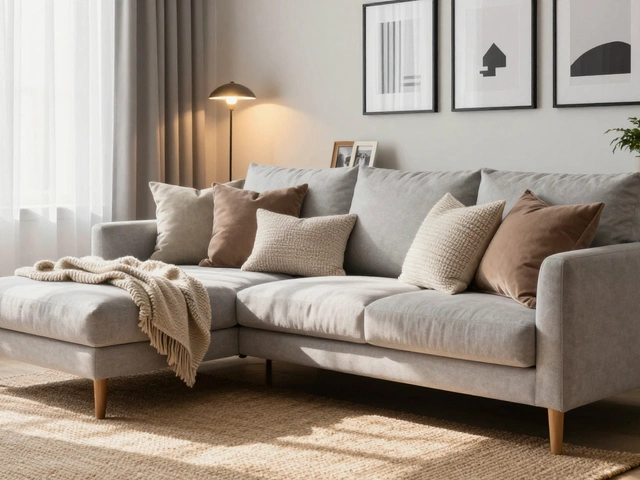
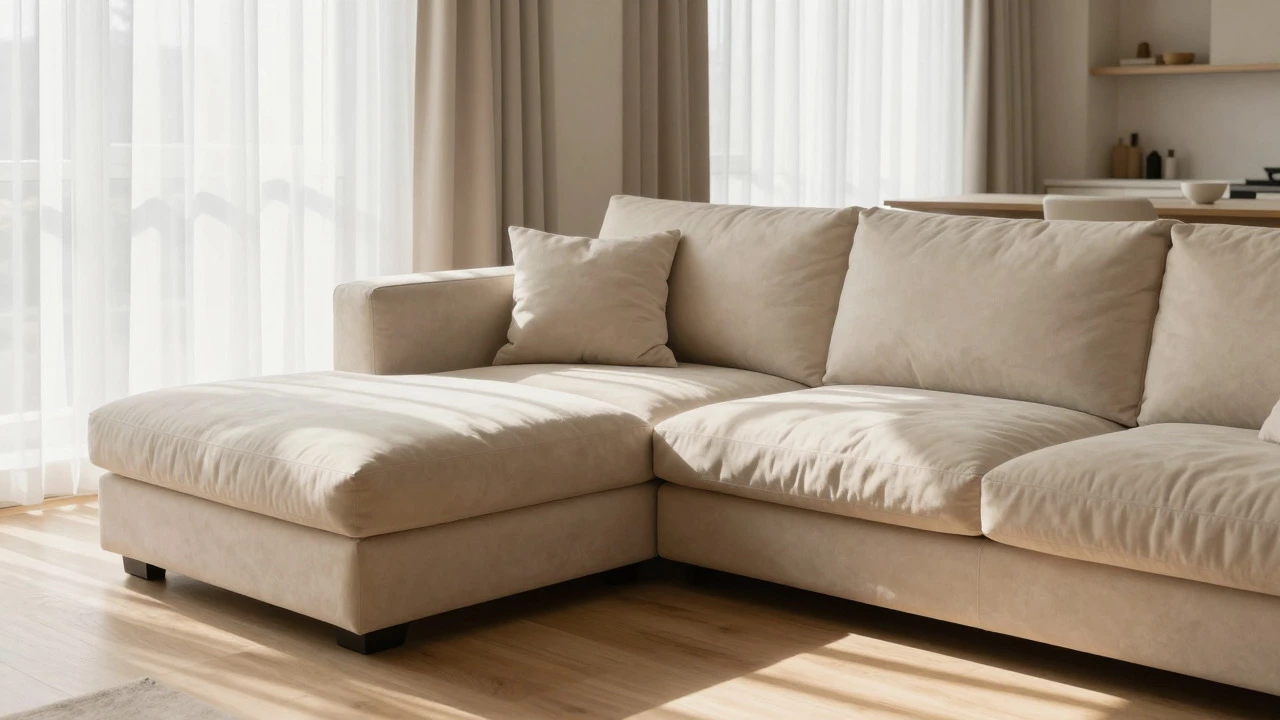
Walk into any millennial’s living room in Auckland or anywhere else in the Western world, and you’ll likely spot the same thing: a massive, plush beige corner sofa. It’s not just a chair; it’s a statement. For years, interior design rules told us to pick bold colors, patterns, or dark leather. Then, suddenly, everything went neutral. If you’ve ever wondered why your friends are all buying cream-colored L-shaped seating instead of vibrant reds or deep navies, you’re not alone. This isn’t just a coincidence-it’s a calculated shift in how we live, work, and view our homes.
The Psychology of Calm: Why Neutrals Win
Let’s get real for a second. Life is loud. Between remote work blurring the lines between office and home, social media noise, and general economic uncertainty, millennials are craving peace. A beige corner sofa acts as a visual anchor that reduces cognitive load and creates a sense of calm. When you walk through the door after a stressful day, your brain doesn’t want to process high-contrast patterns or aggressive colors. It wants rest. Beige, cream, oatmeal, and taupe provide that rest. They are the visual equivalent of a deep breath.
This trend ties directly into the concept of "slow living." Unlike previous generations who might have used their living rooms primarily for entertaining guests with flashy displays, millennials use these spaces for decompression. The color psychology behind neutrals suggests they promote stability and comfort. When you pair that psychological benefit with the physical comfort of a large corner unit, you get a piece of furniture that serves both mental and physical needs.
- Visual Rest: Neutral tones reduce eye strain compared to saturated hues.
- Emotional Stability: Earthy tones like beige are associated with grounding and security.
- Flexibility: A neutral base allows for easier changes in accent pillows or throws without redecorating the whole room.
The Practicality Factor: Hiding the Mess (Sort Of)
You might think beige shows every crumb, pet hair, and wine spill. And yes, it does show spills more than charcoal gray. But here’s the twist: millennials aren’t buying beige because it’s stain-proof. They’re buying it because it fits the aesthetic of "lived-in luxury." Dark furniture can look sterile or corporate if not styled perfectly. Beige looks warm and inviting even when there’s laundry piled on one cushion. It feels human.
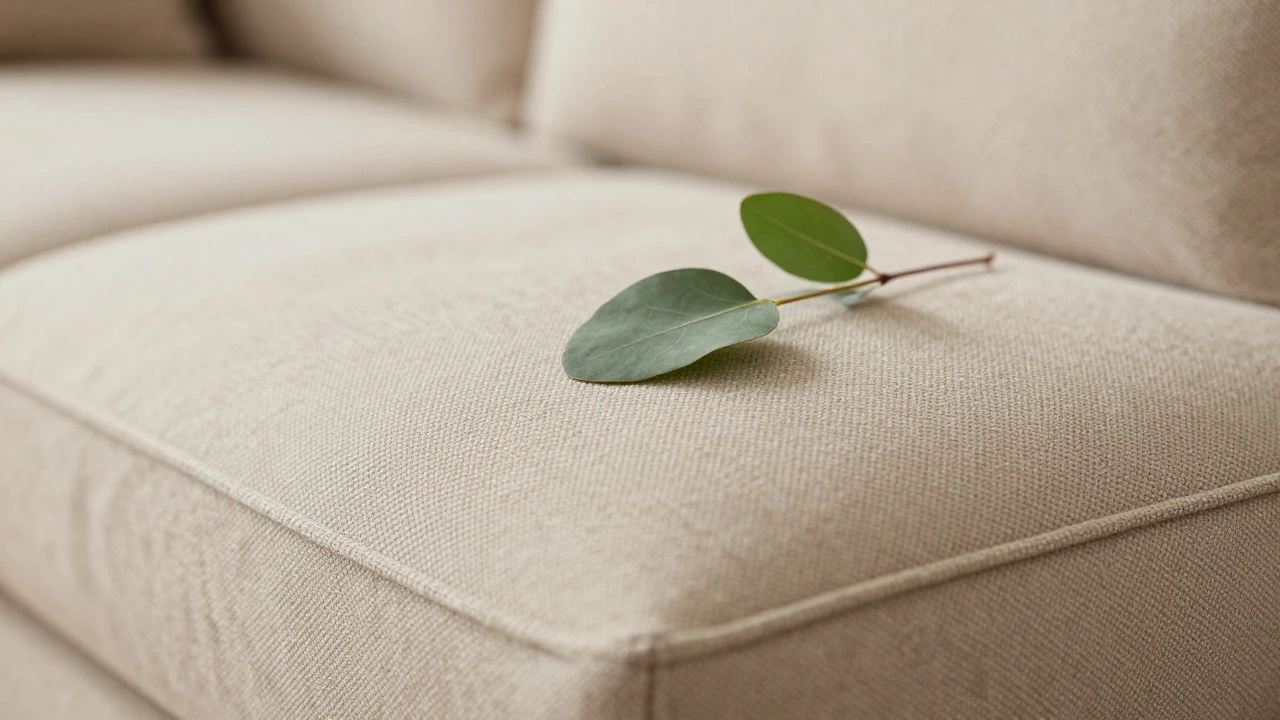
Moreover, the rise of performance fabrics has changed the game. Modern L-shaped sectional sofas often come in technical textiles that repel water and resist stains while maintaining that soft, matte beige look. Brands now offer fabrics that are easy to wipe clean, solving the old problem of light-colored upholstery being impractical. You get the look without the panic attack when someone drops coffee.
Aesthetic Versatility: The Canvas Effect
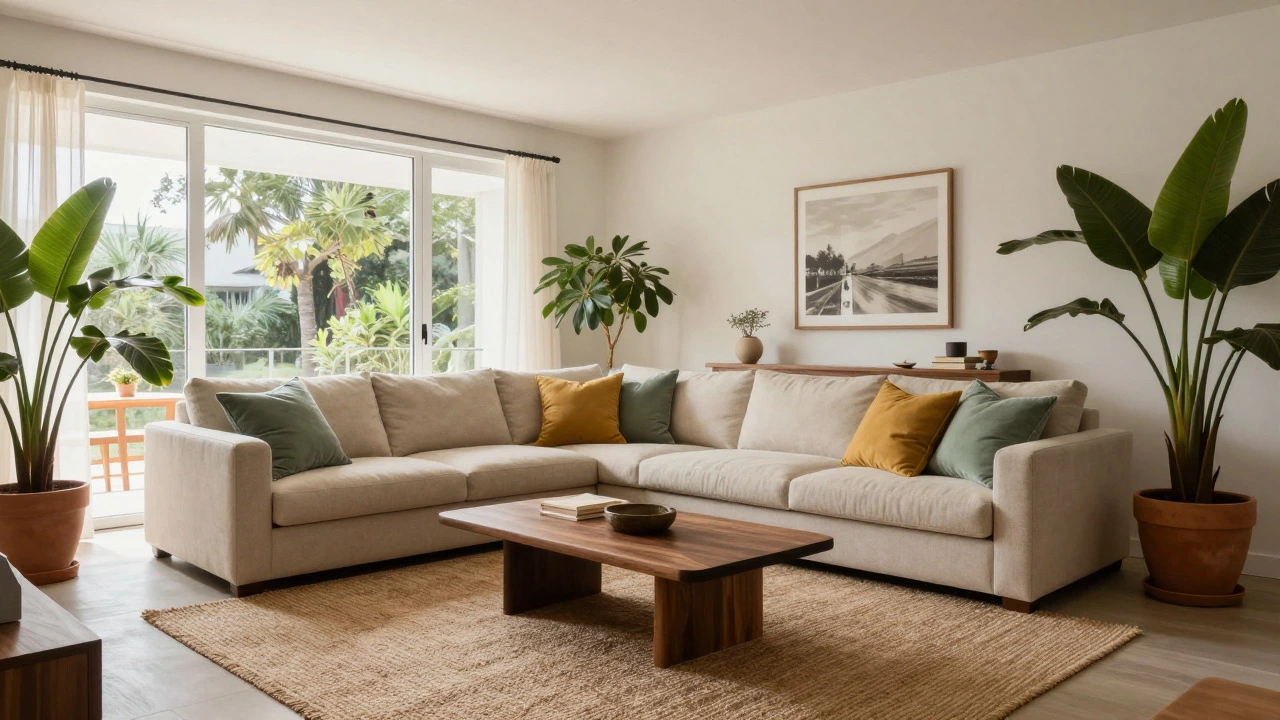
One of the biggest reasons this trend stuck is versatility. A bright orange sofa dictates the entire room’s color scheme. You have to match cushions, rugs, and wall art to it. A beige corner sofa? It plays nice with everyone. Whether you lean towards Scandinavian minimalism, bohemian eclecticism, or industrial chic, a neutral base works. It acts as a canvas. You can swap out throw pillows from mustard yellow to sage green depending on the season or your mood, and the sofa remains the perfect backdrop.
This flexibility is crucial for renters and homeowners alike. Many millennials move frequently or change their decor style every few years. Investing in a large, expensive piece of furniture means you want it to last beyond a single trend cycle. Beige has been a staple in fashion and design for decades. It never truly goes out of style, whereas neon accents or specific patterned fabrics often feel dated within three years.
| Color Type | Aesthetic Flexibility | Maintenance Level | Resale Appeal |
|---|---|---|---|
| Beige/Cream | High (Works with any palette) | Medium (Requires performance fabric) | Very High (Timeless appeal) |
| Dark Gray/Charcoal | Medium (Can feel cold/corporate) | Low (Hides most stains) | High (Popular but common) |
| Bold Colors (Red/Navy) | Low (Dictates room decor) | Medium (Fading is visible) | Low (Polarizing taste) |
| Patterned | Very Low (Hard to match) | High (Wear shows on pattern) | Low (Trend-dependent) |
The Corner Shape: Maximizing Small Spaces
Why a corner sofa specifically? Real estate prices in cities like Auckland, Sydney, and London mean millennials often live in smaller apartments. An L-shaped or corner sofa utilizes awkward corners that would otherwise be wasted space. It provides maximum seating capacity without taking up the center of the room. Plus, it defines the living area in open-plan layouts, which are standard in modern housing.
The corner configuration also encourages lounging. It’s designed for sinking in, putting your feet up, and staying there. This aligns with the post-pandemic shift where homes became primary entertainment hubs. We watch movies, host dinner parties, and work from home in these spaces. A corner sofa supports these multi-functional uses better than a traditional two-seater.
Sustainability and Timelessness
Fast furniture is under fire. Millennials are increasingly conscious of sustainability. Buying a cheap, trendy piece that falls apart in two years contributes to landfill waste. A high-quality beige sofa is an investment. Because the color is timeless, you’re less likely to replace it just because you’re bored of the look. This "buy once, cry once" mentality applies heavily to furniture. Choosing a classic hue ensures longevity, reducing the environmental impact of frequent replacements.
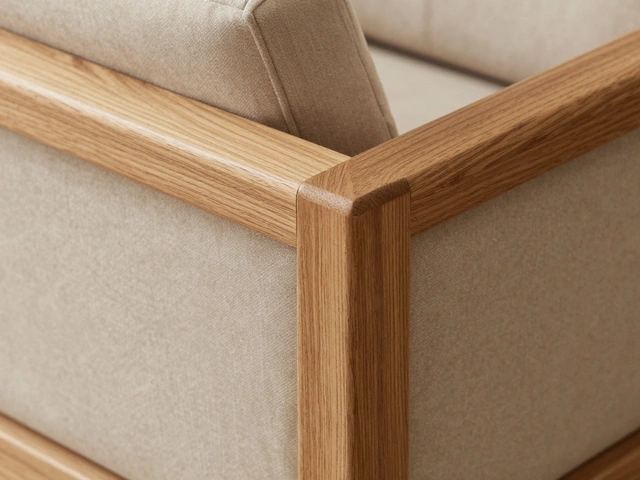
Additionally, many manufacturers are responding to this demand by using eco-friendly materials. Look for sofas made with recycled foam, sustainable wood frames, and organic cotton blends. The beige aesthetic pairs perfectly with natural materials like oak legs or linen textures, reinforcing the connection to nature and sustainability.
How to Style Your Beige Corner Sofa
If you’re ready to join the beige bandwagon, don’t just buy the sofa and leave it bare. That can look flat. Here’s how to make it pop:
- Add Texture: Mix velvet cushions, wool throws, and leather accents. Texture adds depth to neutral colors.
- Introduce Contrast: Use dark wood coffee tables or black metal lamps to ground the lightness of the sofa.
- Play with Greens: Houseplants are the ultimate accessory for beige sofas. The green contrasts beautifully with cream and oatmeal tones.
- Layer Rugs: A large, textured rug underneath ties the corner sofa into the room and defines the seating area.
Frequently Asked Questions
Is beige really practical for families with kids?
Yes, if you choose the right fabric. Traditional cotton or linen will stain easily. However, modern performance fabrics like Crypton or microfiber are highly resistant to stains, water, and wear. These materials allow you to enjoy the look of beige without the fear of juice spills or muddy shoes ruining the upholstery.
Why do corner sofas fit better in small apartments?
Corner sofas utilize unused corner space, providing more seating without obstructing walkways. In open-plan living areas, an L-shaped sofa helps define the living zone without needing walls or dividers, making the space feel organized and functional despite limited square footage.
What is the difference between beige, cream, and taupe?
Beige is a pale sandy fawn color, essentially a light brown. Cream is lighter, with a hint of yellow or white. Taupe is darker, with grayish undertones. All fall under the neutral umbrella, but taupe is slightly more dramatic, while cream is softer. Beige sits comfortably in the middle, offering warmth without being too stark or too dark.
Will a beige sofa go out of style?
Unlikely. While specific shades may fluctuate in popularity, neutral tones are timeless staples in interior design. Unlike bold colors that follow fleeting trends, beige serves as a versatile foundation that adapts to changing decor styles over decades, making it a safe long-term investment.
How do I maintain a light-colored sofa?
Vacuum regularly to remove dust and debris that can grind into fibers. Blot spills immediately rather than rubbing them in. Use a fabric protector spray designed for upholstery to create a barrier against stains. Rotate cushions periodically to ensure even wear and fading, especially if the sofa is near windows.