Sofa Durability & Cost Calculator
Configuration
Analysis Results
Estimated Lifespan
--
Years of expected use
Cost Per Year
--
Annual investment
- Frame Score: -
- Suspension Score: -
- Cushion Score: -
- Upholstery Score: -
Imagine buying a beautiful new sofa today. You sit on it, relax, and enjoy it for three years. Then, the springs squeak. The cushions flatten into lumps. The fabric tears at the seams. By year five, you’re dragging it to the curb because it’s just too uncomfortable to keep. This is the reality for most mass-market furniture. But what if your couch could last twenty, thirty, or even forty years? What if it actually got *better* with age instead of falling apart?
Finding durable couches isn’t about luck. It’s about understanding materials, construction methods, and honest wear-and-tear patterns. Most people think "expensive" means "long-lasting," but that’s not always true. A $3,000 sofa made with cheap particle board will fail faster than a $1,200 sofa built with hardwood and steel. To get a couch that truly lasts, you need to look past the style trends and inspect the bones of the furniture.
The Skeleton: Why Frame Material Matters Most
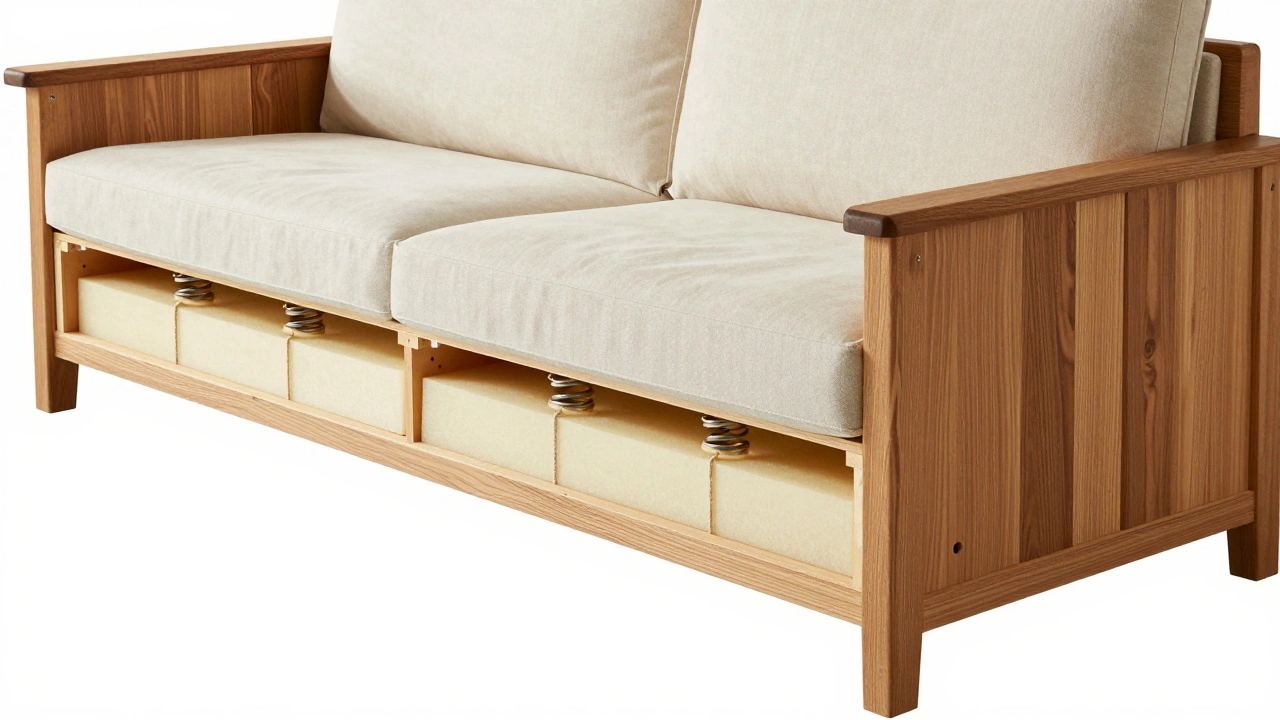
The single biggest factor in how long a couch lasts is its frame. Think of the frame as the skeleton. If the bones are weak, the whole body collapses. In the furniture industry, there are two main types of frames: softwood/particle board and hardwood/steel.
| Material Type | Average Lifespan | Durability Rating | Common Issues |
|---|---|---|---|
| Kiln-Dried Hardwood (Oak, Ash, Maple) | 15-25+ years | Excellent | Minimal; may require tightening screws over decades |
| Plywood (High-grade, birch core) | 10-15 years | Very Good | Edge delamination if exposed to moisture |
| Softwood (Pine, Fir) | 5-8 years | Fair | Bowing, warping, screw pull-out |
| Particle Board/MDF | 2-4 years | Poor | Crumbling, sagging, structural failure under weight |
If you want a couch that lasts, avoid particle board and medium-density fiberboard (MDF). These materials are made from wood chips glued together. They are cheap to produce but terrible for longevity. They absorb humidity, swell, and eventually crumble when subjected to the daily stress of sitting. Instead, look for kiln-dried hardwoods like oak, ash, maple, or beech. "Kiln-dried" is a crucial term here. It means the wood has been dried in a controlled environment to remove moisture. This prevents the wood from shrinking, expanding, or warping after you buy it. When you lift the corner of the sofa in the store, it should feel heavy. A light sofa usually means lightweight, weak materials inside.
Joinery: How the Pieces Connect
Even the strongest wood will fail if it’s joined poorly. Glue alone is not enough for a piece of furniture that supports hundreds of pounds of human weight every day. You need mechanical strength. Look for specific joinery techniques:
- Dowel and Glue: Wooden pins inserted into holes create a tight bond. This is better than staples but not the best.
- Mortise and Tenon: This is the gold standard. One piece of wood (the tenon) fits tightly into a hole (the mortise) in another piece. It creates a joint that resists pulling apart. Many high-end European brands use this method exclusively.
- Corner Blocks: Small blocks of wood screwed into the corners of the frame add significant rigidity. Ask the retailer if their sofas have corner-blocked frames.
Avoid sofas held together primarily by staples or nails. Over time, vibration from sitting causes these fasteners to loosen. Once they loosen, the frame shifts, leading to that dreaded squeaking sound. A well-built sofa should be silent, even when you lean back heavily.
Springs and Support: The Hidden Comfort Layer
Underneath the cushions lies the suspension system. This is what keeps the seat from sagging into a hammock shape. There are three common types:
- Webbing: Strips of fabric stretched across the frame. Cheap webbing sags quickly. High-quality elastic webbing can last longer, but it still lacks the support needed for a multi-decade lifespan. Avoid webbing if you prioritize longevity.
- Coil Springs: Individual metal springs connected by zigzag wires. This is a traditional method found in mid-range furniture. It offers good bounce and support but can lose tension over 7-10 years.
- Eight-Way Hand-Tied Springs: This is the premium option. Craftsmen tie each spring individually to the frame using cotton twine. This allows each spring to move independently, providing superior comfort and durability. These systems can last 20+ years without sagging. Brands like Thayer Coggin and many custom upholstery shops use this method.
If you see a price tag under $800, it likely uses webbing or low-quality coils. For a couch that lasts, aim for coil springs or hand-tied systems. You can often ask sales associates about the suspension type. If they hesitate or say "proprietary blend," walk away.
Cushioning: Foam Density Is Key
The cushions are what you touch, so their quality defines your daily experience. However, "soft" does not mean "good." Low-density foam feels plush initially but flattens within months. To judge cushion longevity, you need to understand density and resilience.
Foam Density: Measured in pounds per cubic foot (PCF). - Below 1.5 PCF: Very low quality. Will flatten quickly. - 1.8-2.0 PCF: Standard for decent furniture. - 2.0+ PCF: High durability. Recommended for daily use. - 2.5+ PCF: Premium grade. Used in luxury sofas that last decades.
High-Resilience (HR) Foam: This is a special type of polyurethane foam engineered to bounce back after compression. Unlike regular foam, which compresses permanently, HR foam retains its shape. Look for cushions labeled "high-resilience" or "HR foam." Some manufacturers blend HR foam with down feathers for a softer feel. While beautiful, pure down cushions require frequent fluffing and settle unevenly. For maximum longevity with minimal maintenance, choose 100% high-resilience foam or a dense foam core wrapped in a thin layer of down.
Upholstery: Fabric vs. Leather
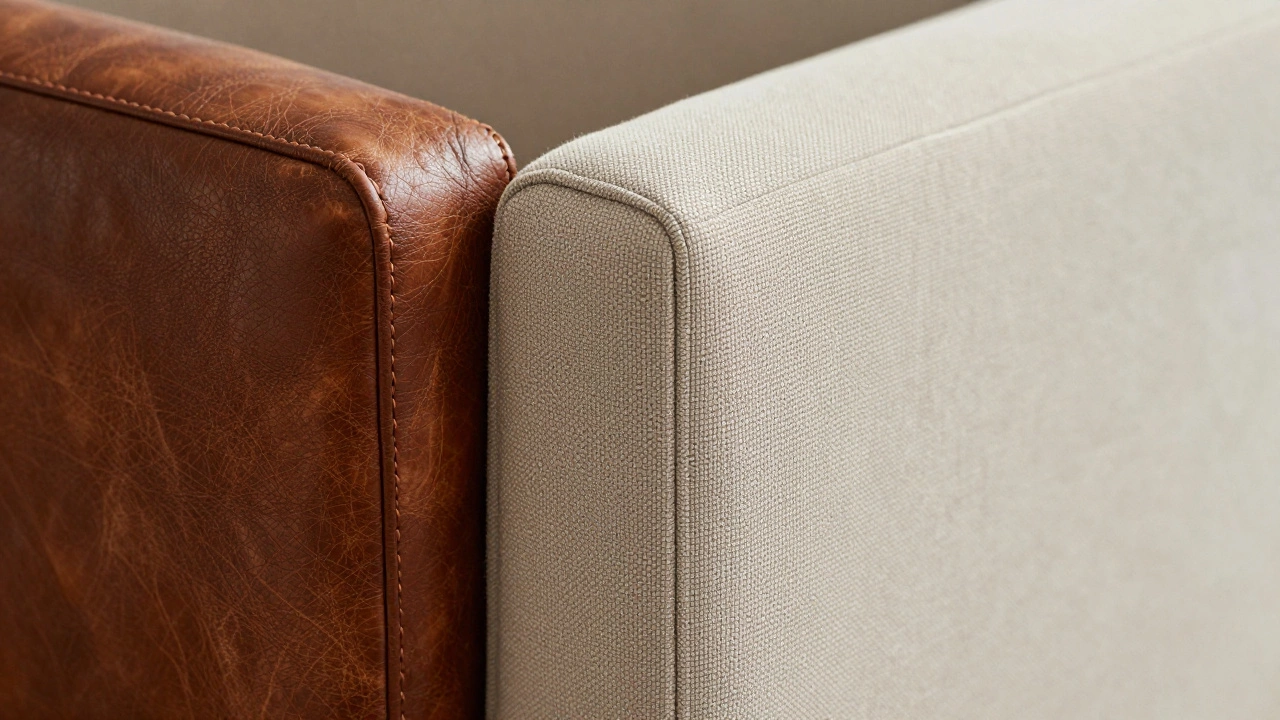
The outer layer protects the inner structure. Your choice here depends on your lifestyle, pets, and aesthetic preferences. Both fabric and leather can last a long time, but they age differently.
Leather: Full-grain or top-grain leather is incredibly durable. It develops a patina-a natural sheen and color change-over time, which many people find attractive. It resists stains, dust mites, and pet hair better than fabric. However, it requires conditioning every 6-12 months to prevent cracking. Split-leather or bonded leather peels and flakes within a few years; avoid these entirely. Real leather sofas can easily last 20-25 years with proper care.
Fabric: Not all fabrics are created equal. Polyester blends and microfiber are tough and stain-resistant, making them great for families. Linen looks elegant but wrinkles easily and wears thin at crease points. Wool is naturally resilient and fire-resistant but expensive. The key metric for fabric durability is the double rub count. This measures how many times a fabric can be rubbed before showing wear. - Under 15,000 double rubs: Light residential use (guest rooms). - 15,000-30,000 double rubs: Average household use. - 30,000-50,000+ double rubs: Heavy commercial use (hotels, airports). Ideal for a family living room.
If you have kids or pets, choose a performance fabric like Crypton or Sunbrella. These are treated to repel liquids and resist stains, extending the life of the upholstery significantly.
Brand Reputation and Warranty Clues
You don’t need to guess which brands build durable couches. Look at their warranties. A warranty is a company’s promise about how long they expect their product to last. Be careful, though. Many companies offer a "lifetime warranty" that only covers the frame for 10 years and the cushions for 1 year. Read the fine print.
Brands known for longevity include: - Herman Miller: Known for ergonomic design and rigorous testing. Their sofas are investments but last generations. - Restoration Hardware (RH): Uses solid hardwood frames and high-density foams. Expensive, but built to endure. - IKEA (Higher End Lines): Surprisingly, some IKEA models like the Ektorp or Söderhamn use decent plywood frames and replaceable parts. They aren’t heirlooms, but they outlast cheaper competitors. - Local Custom Upholsterers: Often overlooked, local craftsmen use traditional methods and high-quality materials. They may cost more upfront but offer personalized durability.
Avoid brands that frequently change styles every season. Fast-fashion furniture prioritizes novelty over durability. Stick with classic designs from established manufacturers who have been in business for decades.
Maintenance Tips to Extend Sofa Life
Even the best-built couch needs care. Simple habits can add years to its life:
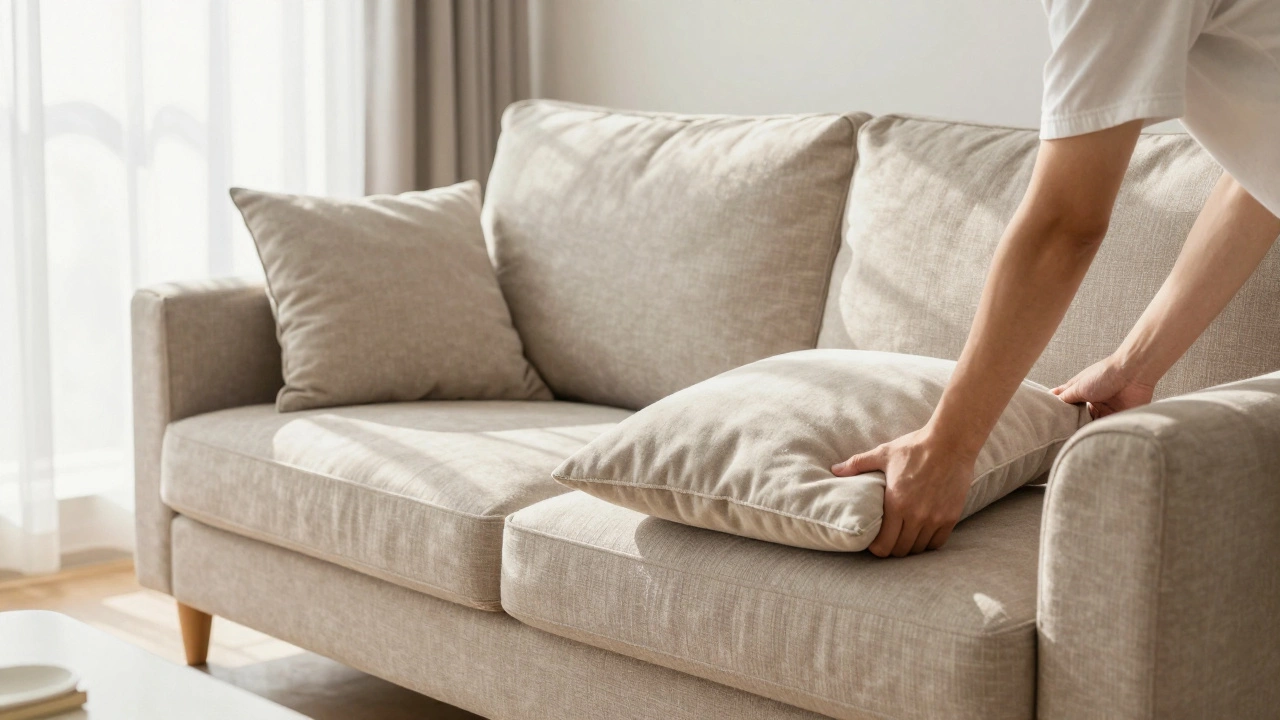
- Rotate Cushions: Flip and rotate seat cushions every month. This ensures even wear and prevents permanent indentations.
- Vacuum Regularly: Dust and debris grind into fabric fibers, causing premature wear. Use an upholstery attachment to vacuum weekly.
- Protect from Sunlight: UV rays fade fabric and dry out leather. Use curtains or blinds during peak sun hours, or apply UV-protectant spray to leather.
- Address Spills Immediately: Blot, don’t rub. Rubbing pushes liquid deeper into the padding, leading to mold and odor. For leather, wipe with a damp cloth and condition afterward.
- Check Screws Annually: Tighten any loose screws in the frame. This prevents wobbling and maintains structural integrity.
Conclusion: Investing in Longevity
Finding the longest-lasting couch requires looking beyond the surface. Prioritize a kiln-dried hardwood frame, mortise and tenon joinery, eight-way hand-tied springs, high-resilience foam, and high-double-rub-count fabric or full-grain leather. Yes, these features cost more upfront. But when you calculate the cost per year, a $2,000 sofa that lasts 20 years is cheaper than a $600 sofa replaced every four years. Plus, you save money on waste disposal and environmental impact. Choose wisely, maintain diligently, and your couch will remain a comfortable centerpiece of your home for decades.
How long should a good quality sofa last?
A well-made sofa with a hardwood frame, quality springs, and high-density foam should last between 10 to 20 years. Luxury sofas with hand-tied springs and full-grain leather can last 25 years or more with proper care.
Is leather or fabric more durable for a couch?
Both can be highly durable. Top-grain leather lasts 20+ years and ages beautifully but requires conditioning. High-performance fabrics like Crypton or high-double-rub-count polyester blends also last 15+ years and are easier to clean for families with pets or kids.
What is the best frame material for a long-lasting sofa?
Kiln-dried hardwoods like oak, ash, maple, or beech are the best. They resist warping and provide strong structural support. Avoid particle board, MDF, and softwoods like pine, which degrade quickly.
How can I tell if a sofa cushion is high quality?
Look for high-resilience (HR) foam with a density of 2.0 PCF or higher. Sit on the couch and press down firmly; the cushion should bounce back quickly without leaving a deep indentation. Ask retailers for foam density specifications.
Are expensive sofas worth the investment?
Yes, if they use superior materials and construction. An expensive sofa with a hardwood frame and hand-tied springs will outlast several cheap replacements, saving money in the long run and providing better comfort and aesthetics.