Patio Furniture Green Stuff Identifier & Guide
Cleaning Guide
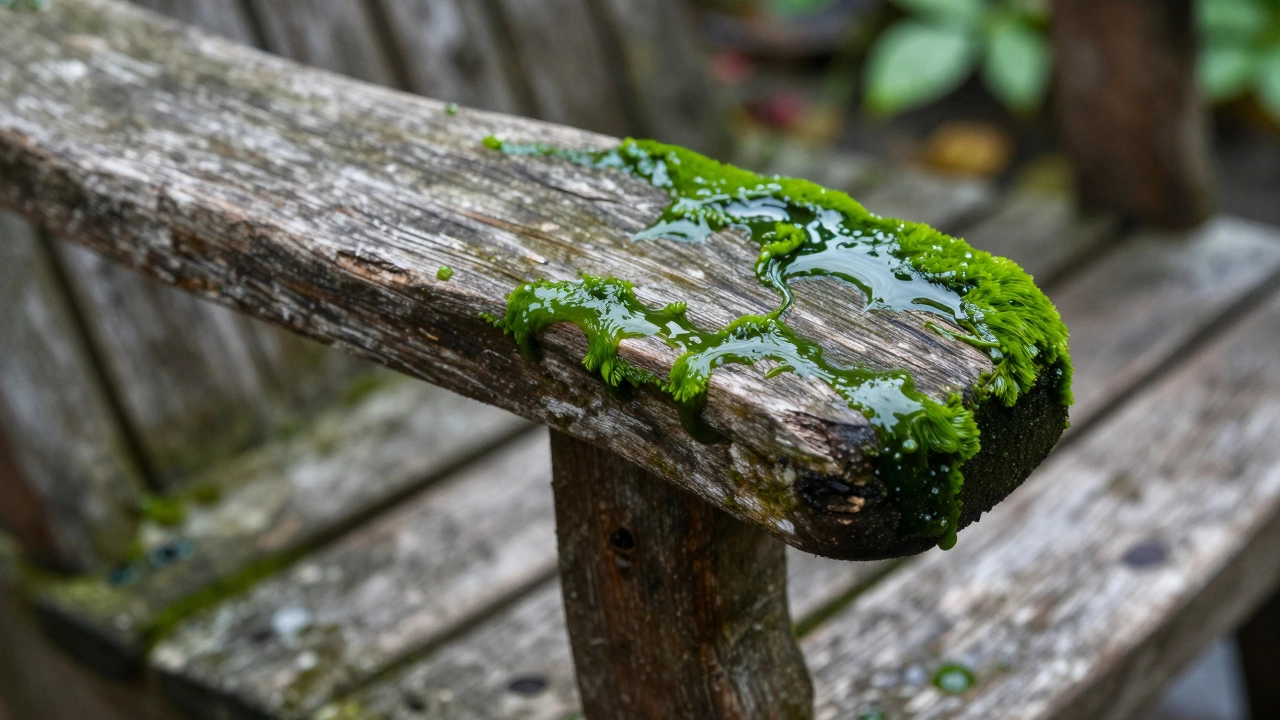
You step outside to enjoy your morning coffee, and there it is again. That fuzzy, slimy, or crusty green layer coating your favorite chair. It’s unsightly, it can be slippery, and if you’re not careful, it can ruin the material underneath. You might wonder if it’s just dirt, but that green stuff on patio furniture is usually alive. It’s a colony of microscopic organisms thriving in the damp, shaded conditions many of us create around our homes.
Identifying exactly what you are dealing with is the first step to getting rid of it. Is it algae, moss, mold, or lichen? Each one requires a slightly different approach to remove safely without damaging your teak, metal, plastic, or wicker. Let’s break down what these invaders are, why they love your deck, and how to banish them for good.
Identifying the Culprit: Algae vs. Moss vs. Mold
Before you grab the pressure washer, take a closer look. The texture and appearance tell you what you’re fighting against. Misidentifying the problem often leads to ineffective cleaning or accidental damage to your furniture.
How do I know if it's algae, moss, or mold?
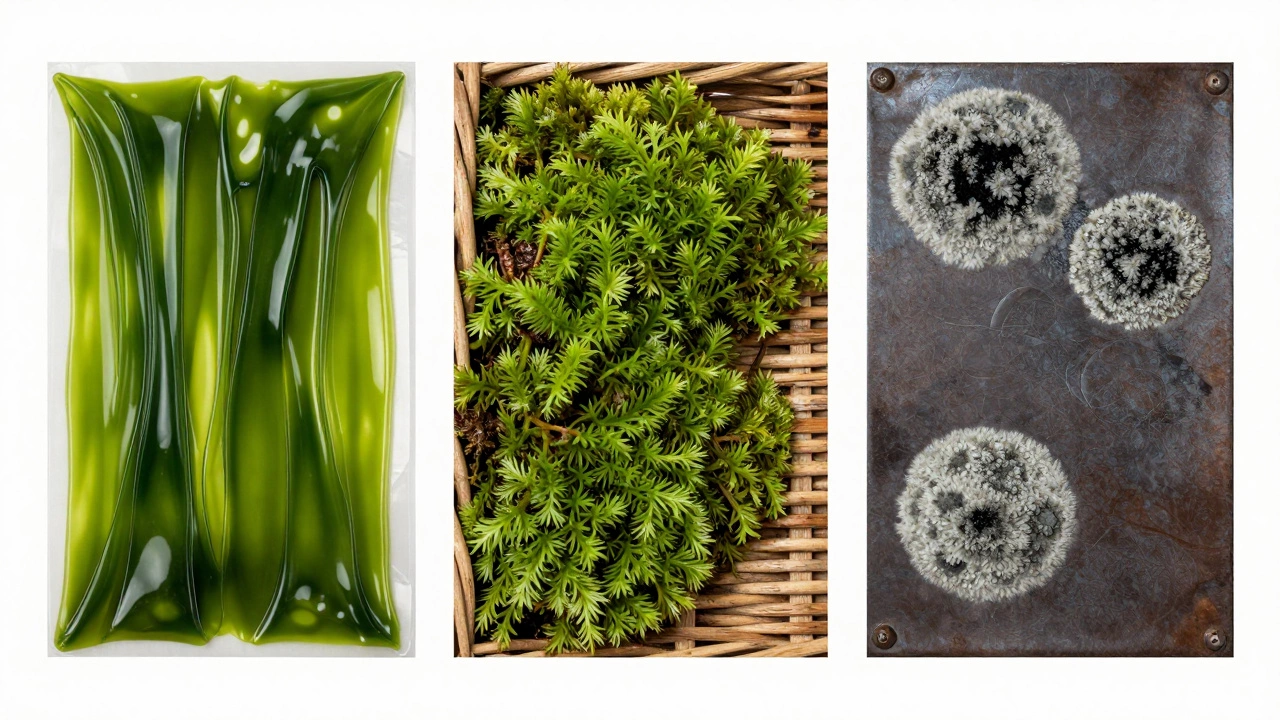
Algae appears as a thin, slimy, bright green film that feels slick when wet. It thrives in moist, sunny areas and spreads quickly across flat surfaces like plastic chairs or concrete decks.
Moss looks like small, leafy clumps or carpet-like patches. It prefers shade and retains moisture, often growing in the crevices of wooden furniture or between pavers.
Mold or Mildew typically presents as black, gray, or sometimes greenish spots. It smells musty and grows in dark, humid areas where air doesn't circulate well.
Lichen is another possibility. It looks like crusty, map-like patches in shades of green, yellow, or gray. Lichen is actually a partnership between fungi and algae, making it tougher to remove than simple algae because it anchors itself firmly into the surface.
Why Your Patio Furniture Is a Target
These organisms aren’t randomly attacking your furniture. They are following a recipe for success that involves three main ingredients: moisture, organic matter, and lack of sunlight.
- Moisture: Rain, high humidity, or even morning dew provides the water needed for growth. If your furniture stays wet for more than 24 hours, you’re inviting trouble.
- Organic Matter: Pollen, dust, bird droppings, and fallen leaves settle on your furniture. These particles provide food for algae and mold spores.
- Shade: Areas under trees or near buildings get less direct sunlight. UV rays from the sun naturally kill many of these organisms, so shaded spots become breeding grounds.
If you live in a coastal area like Auckland, the salt air adds another layer of complexity. Salt attracts moisture from the air (hygroscopy), keeping surfaces damp longer and accelerating the growth of marine algae and mold.
Safe Removal Methods by Material
The method you use depends heavily on what your furniture is made of. Using a harsh chemical on delicate wicker or a high-pressure jet on painted metal can cause irreversible damage. Here is how to handle the most common materials.
Wood (Teak, Pine, Eucalyptus)
Wood is porous, meaning it absorbs moisture and stains easily. If left untreated, algae and mold can penetrate deep into the grain, causing rot.
- Brush it off: Use a stiff-bristle brush to remove loose debris. Brush along the grain to avoid scratching.
- Make a solution: Mix warm water with a mild detergent or specialized wood cleaner. For stubborn algae, add a cup of white vinegar to the bucket. Vinegar is acidic enough to kill algae but gentle on sealed wood.
- Scrub gently: Dip a soft cloth or sponge into the solution and scrub the affected areas. Avoid soaking the wood; excess water can warp it.
- Rinse and dry: Wipe with a clean, damp cloth to remove soap residue. Dry thoroughly with a towel and let it air out in the sun.
- Seal it: Once completely dry, apply a wood sealant or oil. This creates a barrier that prevents future moisture absorption.
Metal (Aluminum, Steel, Iron)
Metal furniture is durable but prone to rust if the protective coating is compromised by mold or algae acids.
- Avoid abrasives: Do not use steel wool or harsh scouring pads, as they can scratch the finish.
- Use a bleach solution: Mix one part bleach with ten parts water. Bleach is effective against mold and algae on non-porous surfaces like powder-coated aluminum.
- Apply and wait: Spray the solution onto the green spots and let it sit for 10-15 minutes. This gives the bleach time to kill the organism.
- Rinse thoroughly: Rinse with plenty of water to remove all bleach residues, which can corrode metal over time.
Plastic and Resin
Plastic is non-porous, making it easier to clean, but it can fade if exposed to strong chemicals or excessive sun while wet.
- Vinegar and baking soda: Sprinkle baking soda on the green spots, then spray with white vinegar. The fizzing action helps lift the algae.
- Scrub with a soft brush: Use a nylon brush to agitate the paste. This mechanical action removes the slime without scratching the plastic.
- Rinse with cold water: Hot water can warp some plastics, so stick to cool or lukewarm water for rinsing.
Wicker and Rattan
Natural wicker and synthetic rattan have many nooks and crannies where moisture gets trapped. Waterlogging can cause natural fibers to rot or synthetic ones to become brittle.
- Dry brushing first: Use a dry, soft-bristle brush to dislodge loose spores and dirt from the weave.
- Minimal water: Dampen a cloth rather than spraying water directly. Excess water will seep into the core of the wicker.
- Mild soap only: Use a drop of dish soap in water. Avoid bleach on natural wicker as it can discolor the fibers.
- Air dry in shade: Never put wet wicker in direct sunlight, as rapid drying can cause cracking. Let it dry slowly in a well-ventilated, shaded area.
Prevention: Keeping the Green Stuff Away
Cleaning is temporary. Prevention is permanent. Once you’ve restored your furniture’s look, implement these habits to keep it that way.
Regular Maintenance Schedule
Don’t wait until the green stuff takes over. A quick wipe-down every two weeks during rainy seasons can prevent buildup. Remove leaves and pollen regularly, as these are the food source for algae.
Improve Airflow and Sunlight
If possible, rearrange your furniture to catch more sunlight. Even an hour of direct UV exposure daily can inhibit growth. Trim back overhanging branches to reduce shade and increase air circulation around your seating area.
Use Protective Covers
When you’re not using your furniture, cover it with breathable, waterproof covers. Ensure the covers fit snugly to prevent wind from lifting them and trapping moisture underneath. Store cushions indoors or in sealed bins, as fabric holds moisture longer than hard surfaces.
Treat the Surface
For wood, annual sealing is crucial. For metal, check for chips in the paint and touch them up to prevent rust. Some companies sell anti-algae treatments specifically for outdoor surfaces; applying these after cleaning can provide months of protection.
Common Mistakes to Avoid
In the rush to clean, many people make errors that worsen the problem or damage their investment.
- Using a pressure washer incorrectly: High pressure can strip paint, splinter wood, and force water into seams. If you must use one, keep the nozzle at least 12 inches away and use a wide fan tip on the lowest setting.
- Mixing chemicals: Never mix bleach with ammonia or vinegar. This creates toxic chlorine gas, which is dangerous to inhale.
- Ignoring the surrounding area: Cleaning the furniture but leaving the dirty deck or patio allows spores to blow back onto your clean chairs. Clean the entire zone.
- Leaving furniture wet: After rain or cleaning, always dry surfaces. Moisture is the enemy.
When to Call a Professional
If the green stuff has caused significant structural damage-such as soft, spongy wood or extensive rust corrosion-DIY cleaning may not be enough. In these cases, consult a professional restoration service. They have specialized tools and chemicals to repair and refinish damaged pieces. Similarly, if you suspect the mold is black mold (Stachybotrys), which poses health risks, hire experts to handle the remediation safely.
Frequently Asked Questions
Can I use bleach on all types of patio furniture?
No. Bleach is safe for metal and plastic but can damage wood by stripping its natural oils and discoloring it. It can also degrade natural wicker fibers. Always test a small, hidden area first before applying any strong chemical.
Is the green stuff on my furniture harmful to humans?
Most algae and moss are harmless, though they can be slippery. Mold, however, can release spores that trigger allergies or respiratory issues in sensitive individuals. If you have asthma or allergies, wear a mask and gloves when cleaning moldy furniture.
How often should I clean my outdoor furniture?
Aim for a light cleaning every month during spring and summer. In wetter climates or shaded areas, you may need to clean every two weeks. Perform a deep clean at the start and end of the outdoor season.
Does vinegar really kill algae?
Yes, white vinegar is effective against algae and mildew due to its acidity. It is a safer alternative to bleach for many materials. However, for heavy infestations, you may need to let it sit longer or repeat the application.
Can I prevent algae growth with a homemade spray?
You can mix water with a few drops of dish soap and essential oils like tea tree or lavender, which have natural antifungal properties. Spray this on dry furniture after cleaning to help deter regrowth, though it is less potent than commercial inhibitors.