Sofa Sleeping Health Risk Calculator
Your Habits
Risk Assessment
Health Risk Level
Result
Description of result.
Specific Impacts
Spinal Alignment
Risk description here.
Sleep Cycles
Risk description here.
Hygiene & Allergens
Risk description here.
Long-Term Damage
Risk description here.
Advice goes here.
Ready to Check Your Sofa Habits?
Adjust the sliders and options to see how your sleeping setup affects your spine and energy levels.
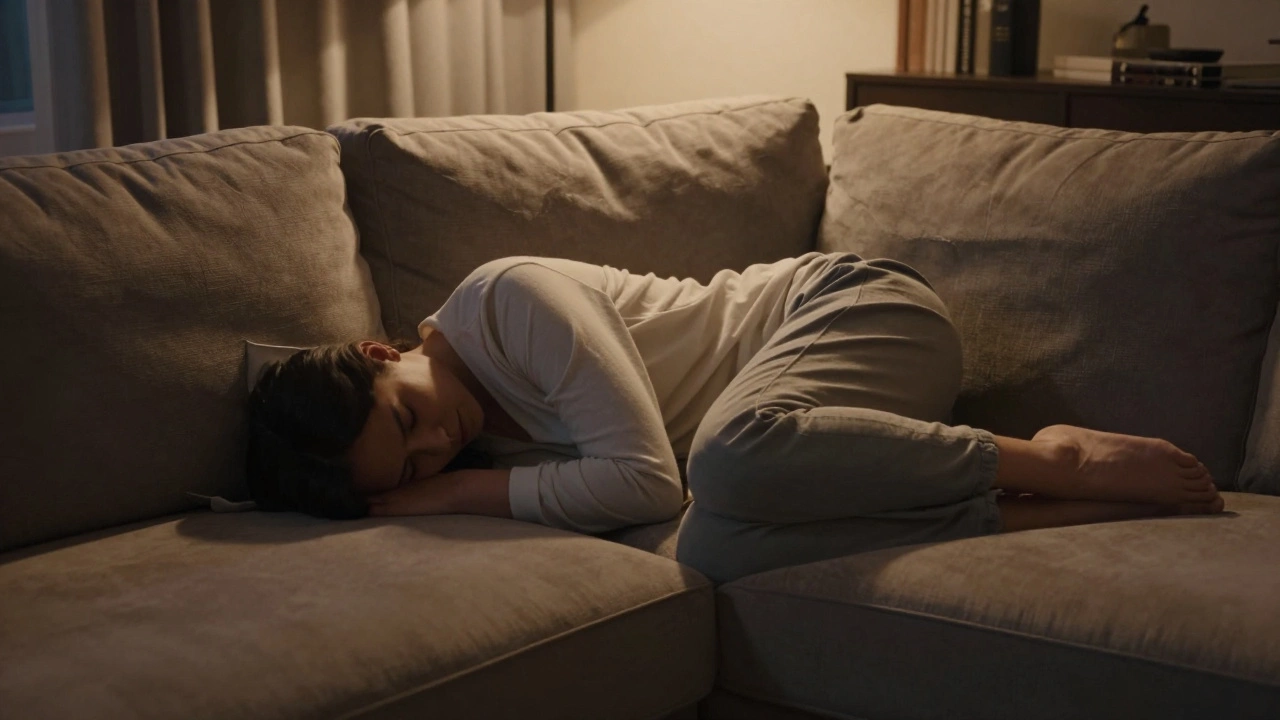
You’ve been there. It’s 2 AM, you’re caught up in a show, and your bed feels miles away. The sofa is right there, inviting and comfortable-or so it seems. You curl up, maybe grab a throw blanket, and drift off. But when you wake up at 7 AM, your neck is stiff, your lower back aches, and you feel more tired than when you went to sleep. This isn’t just bad luck; it’s biomechanics. While corner sofas are designed for lounging and socializing, they are terrible for actual sleep.
We often treat our living room seating as a secondary bedroom option. However, sleeping on furniture not designed for rest can lead to chronic pain, disrupted sleep cycles, and long-term posture issues. If you find yourself regularly crashing on the couch, it might be time to rethink your setup. Here is why your sofa is hurting you and what you should do instead.
The Ergonomic Nightmare of Sofa Sleeping
Furniture design is all about intended use. A dining chair is built for upright sitting for short periods. A bed is built for horizontal support over eight hours. A corner sofa, particularly an L-shaped sectional, is engineered for reclining, reading, or watching TV. When you try to sleep on one, you force your body into positions it wasn’t meant to hold overnight.
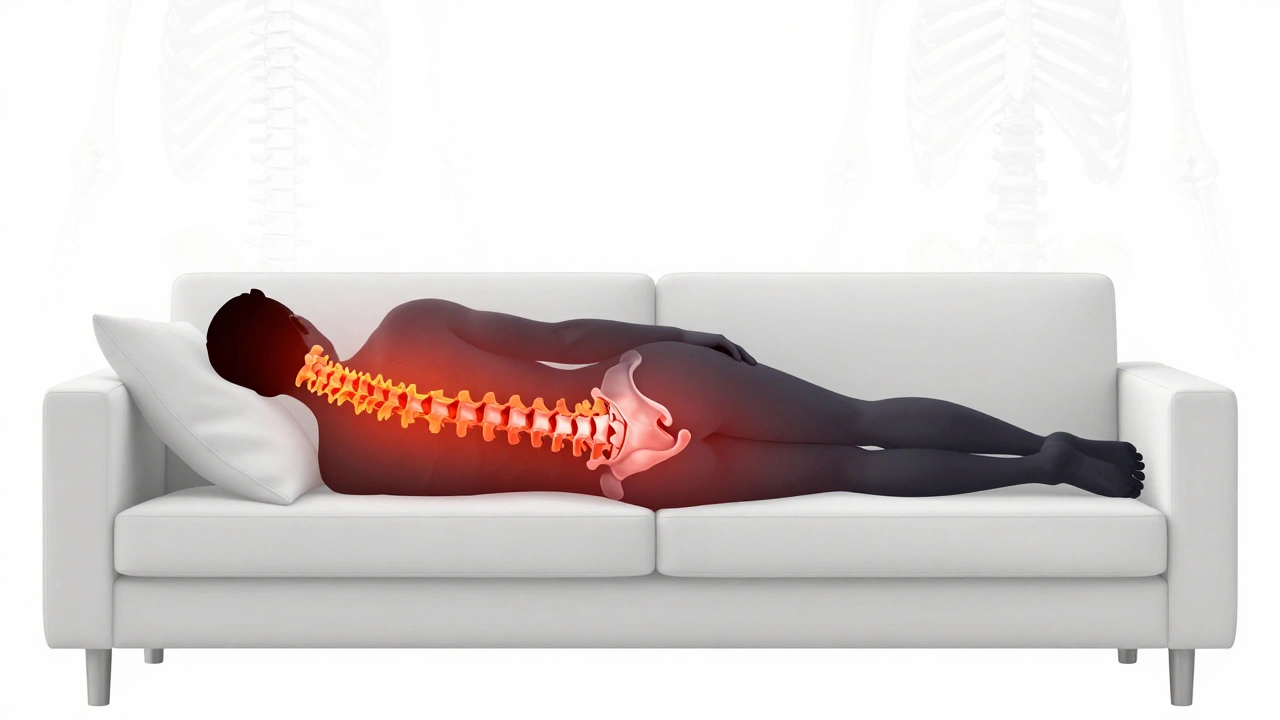
Most sofas have deep seats that cause your knees to bend at sharp angles, cutting off circulation. Worse, the backrests are often too high or too angled, forcing your head forward or sideways. This misalignment puts immense strain on your cervical spine (neck). Over time, this can lead to chronic tension headaches and neck stiffness. Your spine needs a neutral alignment-straight from head to toe-to recover properly during sleep. Sofas rarely offer this. Instead, they create curves and dips that twist your vertebrae.
Consider the difference between a firm mattress and a plush cushion. Mattresses provide consistent support across your entire body weight. Sofa cushions are soft and uneven. When you lie down, your hips sink deeper than your shoulders, creating a hammock effect. This forces your spine out of alignment, leading to lower back pain upon waking. If you sleep on a sectional sofa, the joint between the pieces creates a hard ridge right under your mid-back or hips, causing pressure points that disrupt deep sleep.
Disrupted Sleep Cycles and Quality
Sleep isn’t just about being unconscious; it’s about cycling through stages of light, deep, and REM sleep. Physical discomfort is one of the biggest enemies of these cycles. When you sleep on an unsupportive surface like a sofa, your brain registers micro-wakeups every time you shift to relieve pressure. You might not remember these awakenings, but they fragment your sleep architecture.
Research shows that poor spinal alignment increases movement during sleep. On a sofa, you’re likely to toss and turn more than on a proper bed because no position feels truly stable. This prevents you from reaching the restorative deep sleep stage where muscle repair happens. Consequently, you wake up feeling groggy and unrefreshed, even if you slept for seven or eight hours.
Additionally, sofas are usually located in living areas, which are hubs of household activity. Even if you sleep soundly, ambient noise from family members, televisions, or street traffic can penetrate your sleep environment more easily than in a dedicated bedroom. This environmental factor, combined with physical discomfort, significantly lowers overall sleep quality.
Long-Term Health Consequences
Occasional sofa naps are harmless. Regularly sleeping on a sofa, however, can lead to lasting health issues. The most common complaint is chronic back pain. Persistent misalignment can irritate discs and nerves in the spine, potentially leading to conditions like sciatica or herniated discs. For people already prone to arthritis or joint pain, the lack of support can exacerbate inflammation and stiffness.
Posture problems also extend beyond the spine. Sleeping curled up on a sofa can restrict lung expansion, reducing oxygen intake during sleep. This can affect energy levels throughout the day. Furthermore, the awkward positioning of limbs can lead to nerve compression, resulting in numbness or tingling in hands and feet-a condition known as paresthesia.
For individuals with acid reflux or GERD, sofa sleeping can be particularly problematic. Many sofas don’t allow for adequate elevation of the upper body unless you prop yourself up with multiple pillows, which is unstable. Without proper elevation, stomach acid can creep up into the esophagus, causing heartburn and disrupting sleep further.
Cleaning and Hygiene Concerns
Beyond physical health, there’s the hygiene angle. Sofas accumulate dust, pet dander, food crumbs, and skin cells daily. Unlike mattresses, which are often encased in protective covers, sofa upholstery is harder to clean thoroughly. Dust mites thrive in the deep crevices of cushions. If you sleep on the sofa regularly, you’re exposing your face and respiratory system to higher concentrations of allergens.
Spills happen. A dropped drink or snack on a bed is easier to manage with sheets and protectors. On a sofa, liquids soak into the foam and fabric, creating potential mold or mildew growth if not cleaned immediately. This not only damages the furniture but also introduces unhealthy bacteria into your sleeping environment.
Better Alternatives for Guest and Occasional Sleepers
If you need extra sleeping space, relying on your living room furniture is a mistake. Fortunately, there are better options that balance comfort, space-saving, and functionality.
| Option | Support Level | Space Efficiency | Best For |
|---|---|---|---|
| Sofa Bed | Moderate to High | High (doubles as seating) | Guest rooms, small apartments |
| Corner Sofa | Low | Medium (large footprint) | Lounging, not sleeping |
| Air Mattress | Variable | High (storable) | Short-term guests |
| Futon | Moderate | High | Casual living spaces |
| Traditional Mattress | High | Low (requires frame) | Daily sleep |
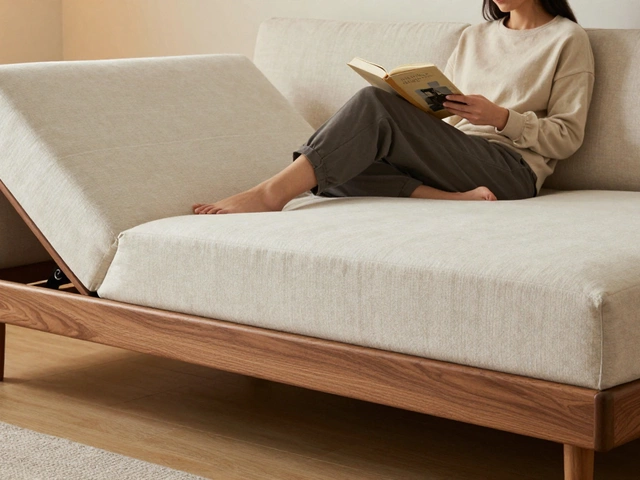
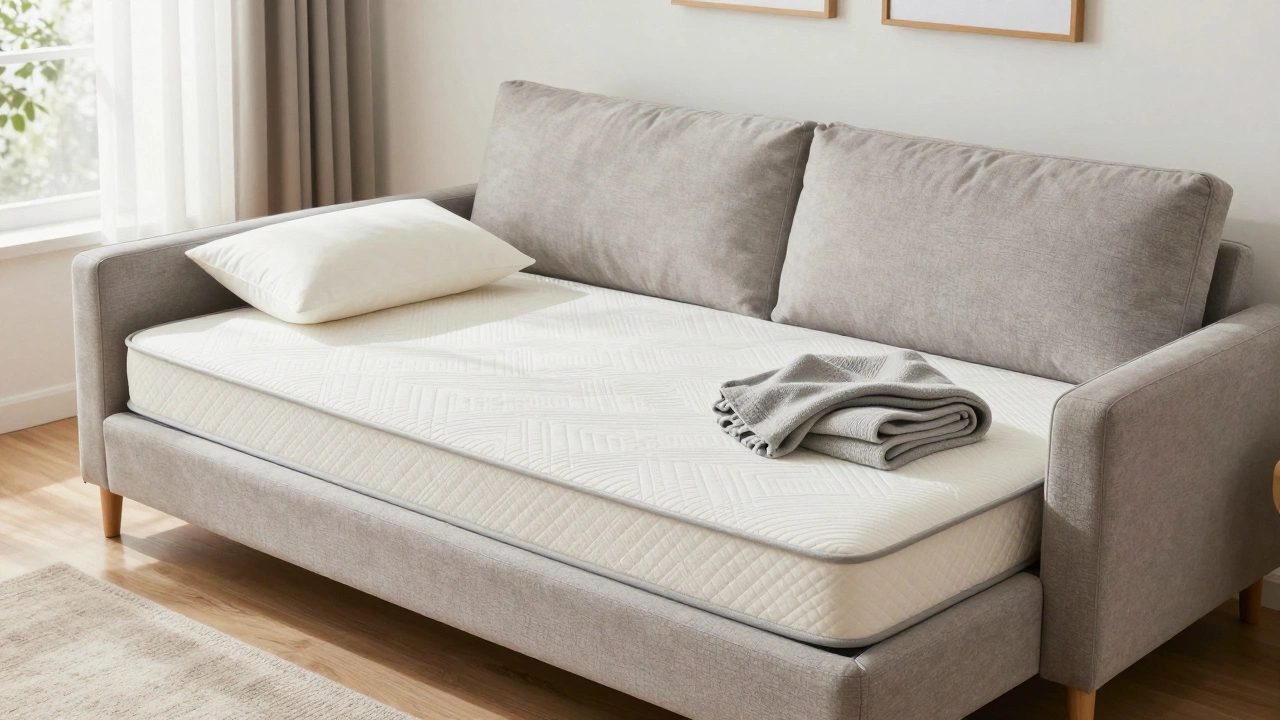
Sofa beds are specifically designed to transform into flat, supportive sleeping surfaces. Modern models use mechanisms that unfold into a double-width mattress, providing much better spinal alignment than a static sofa. If you have limited space, a high-quality sofa bed is a worthwhile investment. Look for ones with thick, dense foam rather than thin, flimsy cushions.
Another option is a dedicated guest room with a pull-out trundle or a foldable wall bed. These solutions keep the sleeping area separate from the living area, improving both hygiene and sleep quality. For occasional use, a premium air mattress with built-in coils can mimic the support of a traditional bed far better than any sofa ever could.
How to Choose the Right Furniture for Your Needs
If you love the look of a large corner sofa but also need guest accommodation, consider a modular sectional with a sleeper chaise. This hybrid approach gives you the spacious lounging area you want while including a functional sleeping component. When shopping, test the sleeper mechanism. Sit and lie on it in its bed configuration to ensure it doesn’t sag or creak.
Prioritize materials that are durable and easy to clean. Leather or performance fabrics resist stains and are easier to wipe down, keeping your sleeping environment hygienic. Also, check the depth of the seat. Deeper seats are great for lounging but make it harder to get a flat sleeping surface without additional padding.
Remember, furniture should serve its primary purpose first. If you buy a sofa primarily for sleeping, you’ll end up with neither a good sofa nor a good bed. Invest in a proper bed for daily sleep and a comfortable sofa for relaxation. Your back will thank you.
Is it okay to sleep on the sofa once in a while?
Yes, occasional sofa sleeping is generally fine for healthy adults. However, if you experience neck or back pain afterward, try using extra pillows to support your head and knees to maintain spinal alignment. Avoid making it a habit.
What is the best type of sofa for guests who need to sleep?
A sofa bed or a sleeper sectional is the best choice. These are designed to flatten out into a proper mattress-like surface. Look for models with high-density foam and sturdy metal frames for better support.
Can sleeping on a corner sofa cause permanent back damage?
While unlikely to cause permanent damage in healthy individuals, regular sleeping on a corner sofa can exacerbate existing back conditions and lead to chronic pain due to poor spinal alignment. It’s best to avoid long-term use.
How can I make sleeping on a sofa more comfortable temporarily?
Use firm pillows to support your head and neck, and place a pillow under your knees if lying on your back. Add a firm mattress topper or folded blankets to create a flatter, more supportive surface. Avoid curling up tightly.
Are sofa beds as comfortable as real beds?
Modern high-end sofa beds can be nearly as comfortable as real beds, especially those with memory foam or latex mattresses. However, budget models may still feel firmer or less supportive. Always test before buying.