Sofa Layout Decision Tool
Answer these questions to determine if a Corner Sofa or Two Separate Sofas is better for your specific living situation.
Imagine you just bought a new corner sofa. It’s huge, plush, and looks amazing in the showroom. But when it arrives at your door, you realize you can’t even get it through the hallway. Or worse, it fits, but now your coffee table is floating in a void, and nobody can reach their drinks without doing gymnastics. This is the classic dilemma of modern living rooms: do you go big with one massive L-shaped sectional, or do you keep things flexible with two separate sofas?
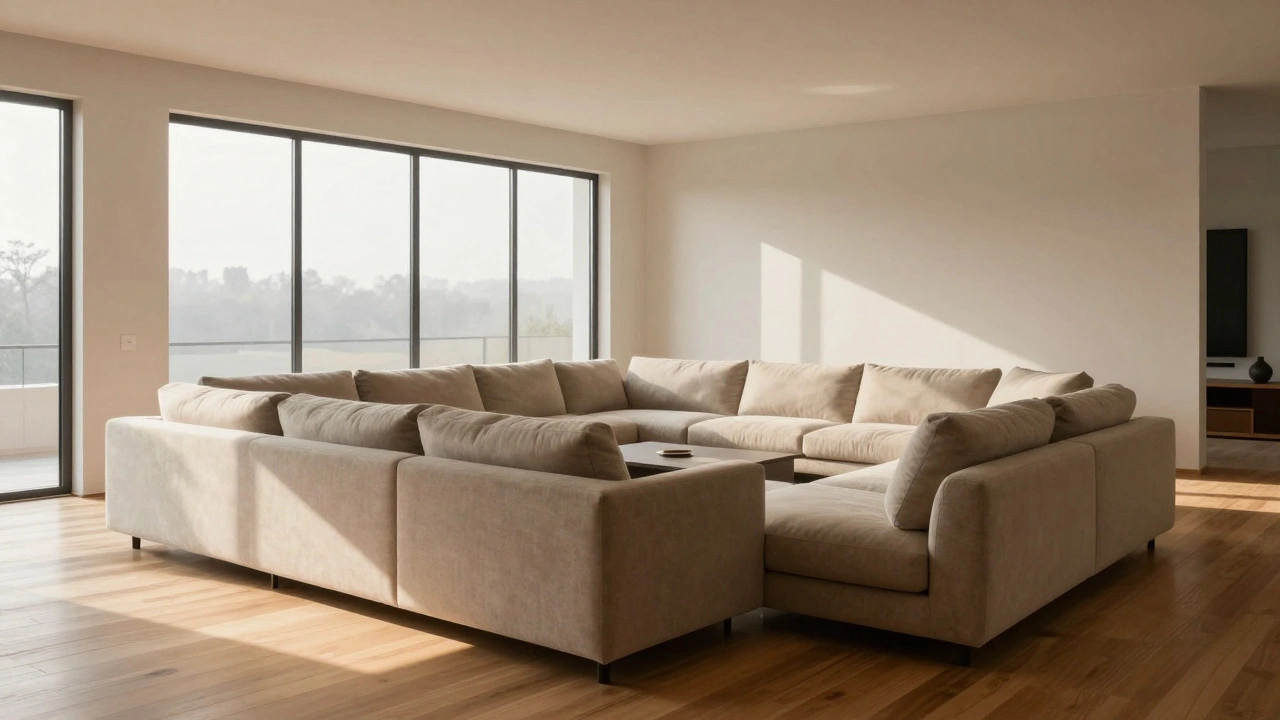
The answer isn't about which piece of furniture is objectively "better." It’s about which one solves your specific spatial and social problems. A corner sofa is a large L-shaped seating unit designed to fit into a room's corner, maximizing seat count while minimizing footprint. On the other hand, using two sofas is a flexible furniture arrangement strategy that allows for modular reconfiguration and easier logistics. Let’s break down the real-world pros and cons so you don’t end up stuck with a furniture anchor in your living room.
The Logistics Nightmare: Moving In and Out
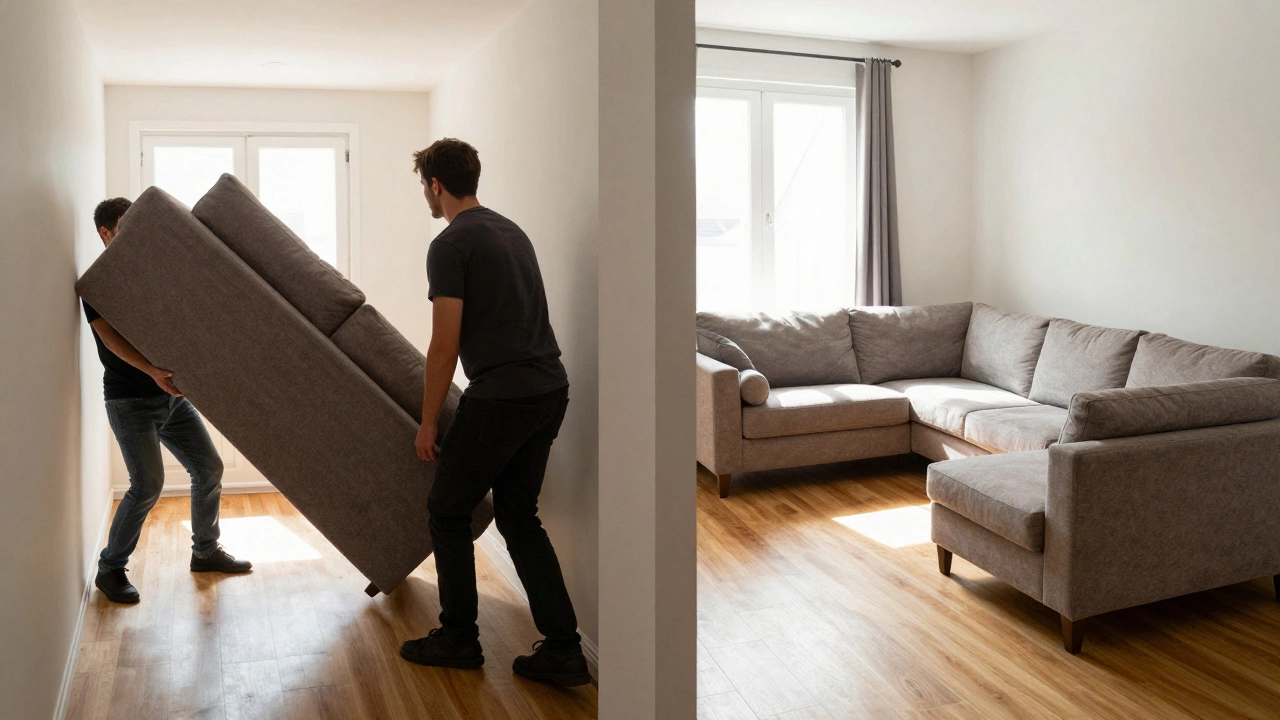
Before we talk about aesthetics, let’s talk about the physical reality of getting these things into your home. If you live in an apartment, a townhouse, or any home with narrow hallways, tight staircases, or elevator restrictions, the corner sofa is often a dealbreaker. Most standard L-shaped sectionals are too wide to turn corners. You might need to disassemble them, which can be tricky if they aren’t designed for easy transport, or hire specialized movers who charge extra for "difficult access."
Two separate sofas, however, are usually manageable. You can buy two smaller three-seaters or even mix a loveseat with a larger sofa. They slide through doors easily. If you ever move house again, you won’t have to pay a premium to get your main seating out. Think of it this way: a corner sofa is a commitment to that specific room’s geometry. Two sofas are a commitment to flexibility.
Spatial Dynamics: How People Actually Sit
How do you want people to interact in your living room? A corner sofa creates a unified seating block. Everyone sits together, facing the same direction (usually the TV). It’s great for movie nights because everyone has a clear line of sight. However, it can create a "fortress" effect. The back of the sofa blocks traffic flow, making it hard to walk around the room without stepping over someone’s legs or squeezing between the sofa and the wall.
With two sofas, you control the conversation flow. You can place them opposite each other for a formal chat setup, perpendicular for a cozy nook, or even angle them slightly to create a more dynamic zone. This arrangement leaves the center of the room open. It feels airier. If you have kids or pets running around, two sofas define the perimeter better, leaving the middle free for play. A corner sofa tends to dominate the visual weight of the room, making small spaces feel cramped rather than cozy.
| Feature | Corner Sofa (L-Shape) | Two Separate Sofas |
|---|---|---|
| Moving Difficulty | High (often requires disassembly) | Low (standard sizes fit most doors) |
| Space Efficiency | High (uses dead corner space) | Medium (requires clearance between units) |
| Flexibility | Low (fixed shape) | High (rearrange anytime) |
| Conversation Flow | Unified, TV-focused | Modular, customizable angles |
| Replacement Cost | High (replace entire unit) | Low (replace one damaged sofa) |
The Aesthetic Balance: Visual Weight and Style
A corner sofa makes a bold statement. It anchors the room. If you have a large, open-plan living area, a single massive sectional can prevent the space from feeling empty. It defines the "living zone" clearly against the dining or kitchen areas. However, if the style doesn’t match the rest of the decor, you’re stuck with it. Changing the look means buying a whole new expensive item.
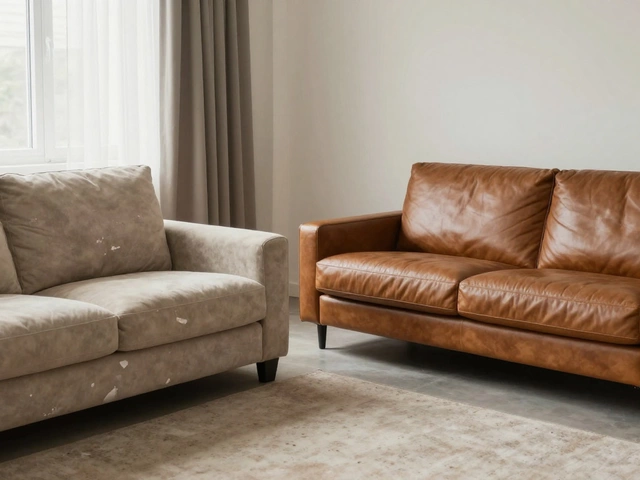
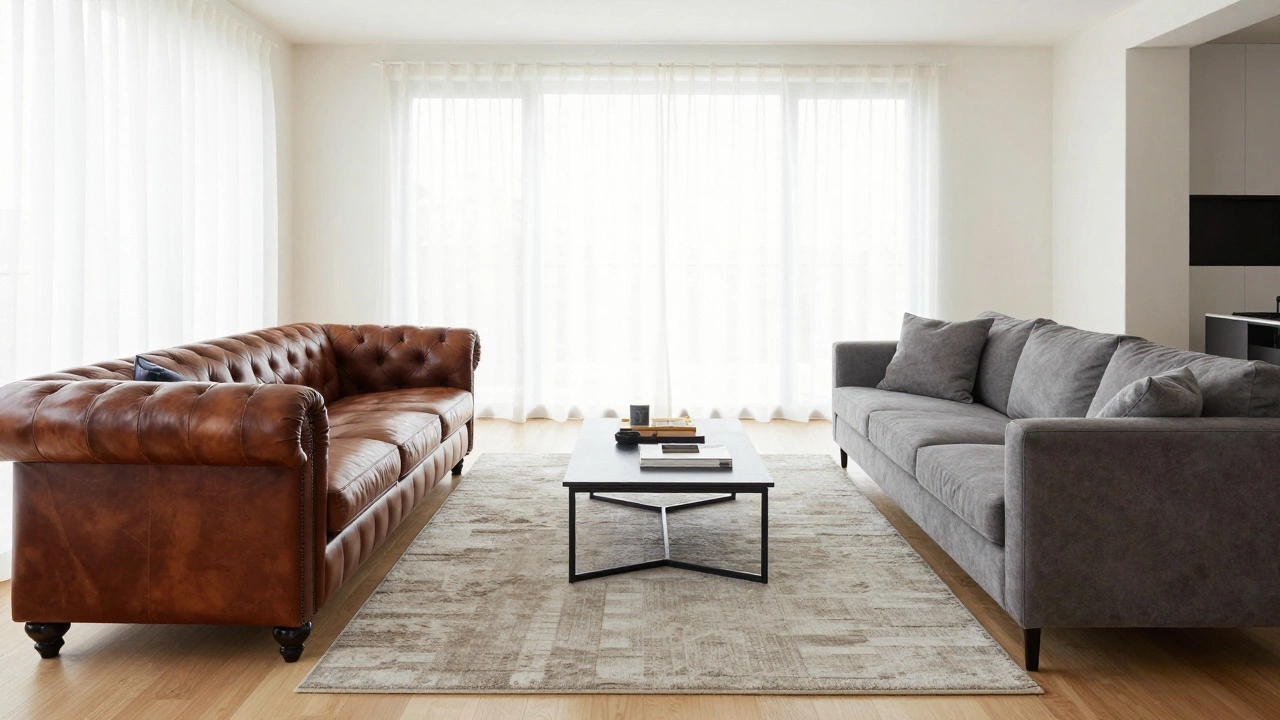
Two sofas allow for mixing styles. You could have a vintage leather Chesterfield paired with a modern minimalist fabric sofa. This eclecticism adds character and depth to a room. It also helps with color balancing. Instead of one giant block of beige, you can introduce two different textures or shades that complement each other. From a design perspective, two sofas offer more opportunities for creativity and personal expression.
Durability and Maintenance: What Happens When Things Go Wrong?
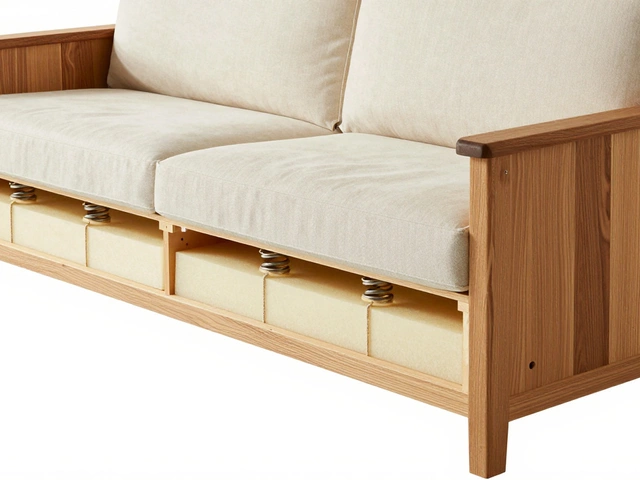
Let’s be realistic: life happens. Spills happen. Pets scratch. Kids jump. With a corner sofa, if one section gets stained or the foam collapses, you often have to replace the entire unit or try to match upholstery perfectly, which is nearly impossible years later. It’s an all-or-nothing investment.
With two sofas, risk is distributed. If your dog chews the armrest of one sofa, you only replace that one. You can also maintain them differently. Use the durable, stain-resistant fabric on the sofa closest to the TV where snacks are common, and use a more delicate, luxurious material on the secondary sofa in a quieter corner. This strategic placement extends the life of your nicer furniture pieces.
Cost Considerations: Upfront vs Long-Term Value
Generally, a high-quality corner sofa costs more upfront than two mid-range sofas. The manufacturing complexity of joining sections seamlessly adds to the price. However, cheap corner sofas can sag and lose their shape quickly. Investing in quality here is crucial.
Two sofas can be purchased gradually. You might buy one sofa now and save up for the second. This spreads the financial burden. Also, resale value differs. Standard-sized sofas are easier to sell on second-hand markets because they fit more homes. A custom-sized corner sofa has a much smaller buyer pool, meaning you’ll likely recover less money if you decide to upgrade later.
Decision Checklist: Which One Is Right For You?
Use this quick guide to make your final call:
- Choose a Corner Sofa if: You have a large, open room with no narrow hallways. You prioritize maximum seating capacity for movie nights. You rarely rearrange your furniture. You want a clean, unified look without gaps between seats.
- Choose Two Sofas if: You live in an apartment or home with tight access. You like to change your layout seasonally. You want to mix textures and styles. You have active kids or pets and want to isolate wear-and-tear. You plan to move within the next few years.
There is no wrong choice, only a choice that fits your current lifestyle. Measure your doorways before you fall in love with a photo online. And remember, furniture should serve you, not trap you.
Can I combine a corner sofa with another chair?
Yes, this is a popular hybrid approach. A corner sofa provides the bulk of the seating, while an accent chair adds flexibility. You can move the chair to face different directions or swap it out for a reading chair, floor lamp, or plant stand as needed. This gives you the best of both worlds: stability and adaptability.
Is a corner sofa better for small apartments?
It depends on the shape of the room. In a square, small room, a compact corner sofa can utilize wasted corner space efficiently. However, in a long, narrow studio, a corner sofa might block light and flow. In very small spaces, two smaller chairs or a loveseat plus a chair often feels less overwhelming and allows for better movement.
How do I arrange two sofas without it looking cluttered?
Leave at least 30-45 cm (12-18 inches) of walking space between the sofas and walls. Avoid placing them directly opposite each other if the room is narrow; instead, angle them slightly towards a central coffee table or rug. Use a large area rug to anchor both pieces visually, creating a cohesive "zone" rather than two isolated islands.
Are modular sofas a good alternative?
Absolutely. Modular sofas act like building blocks. You can start with a corner configuration and add or remove sections later. They solve the moving issue because pieces come apart easily. They are ideal if you want the look of a corner sofa but the flexibility of separate units. Just ensure all modules are from the same collection to maintain a uniform look.
Which option is easier to clean?
Two sofas are generally easier to clean because you can vacuum or wipe down individual pieces without maneuvering around a massive L-shape. Additionally, removable covers on separate sofas are lighter and easier to wash. Corner sofas often have deep crevices where crumbs and dust accumulate, requiring more thorough cleaning tools.