Sofa Durability Score Calculator
Sofa Specifications
Enter your sofa's specs to see how long it will last.
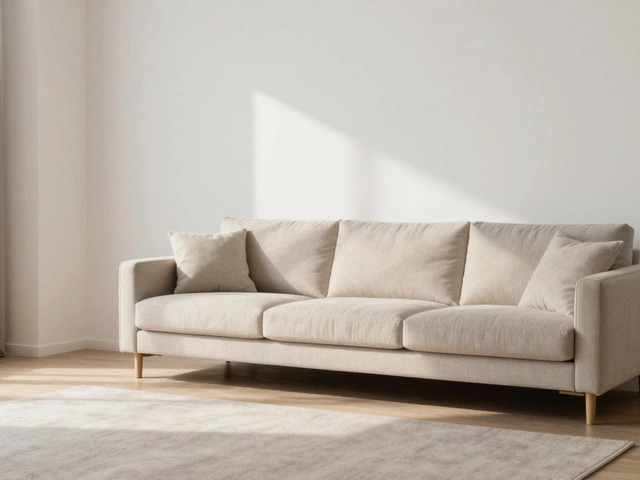
Picture this: You’ve just bought a beautiful, plush sofa. It feels like a cloud. Six months later, it looks like a deflated tire with stains that won’t come out. Sound familiar? Choosing the right couch isn't just about aesthetics; it's an investment in your daily comfort and home longevity. If you have kids, pets, or just hate wasting money on furniture that falls apart, knowing what kind of couch is the most durable is crucial.
Durability isn't a single feature. It’s a combination of frame construction, cushion density, fabric resilience, and joinery quality. A cheap frame with expensive leather will still sag. A sturdy oak frame with thin, low-density foam will feel uncomfortable within a year. To get a sofa that lasts ten years or more, you need to look under the hood-literally.
The Backbone: Frame Materials That Hold Up
The frame is the skeleton of any sofa. If the bones are weak, the whole structure collapses. When shopping, ignore the upholstery for a moment and ask about the wood.
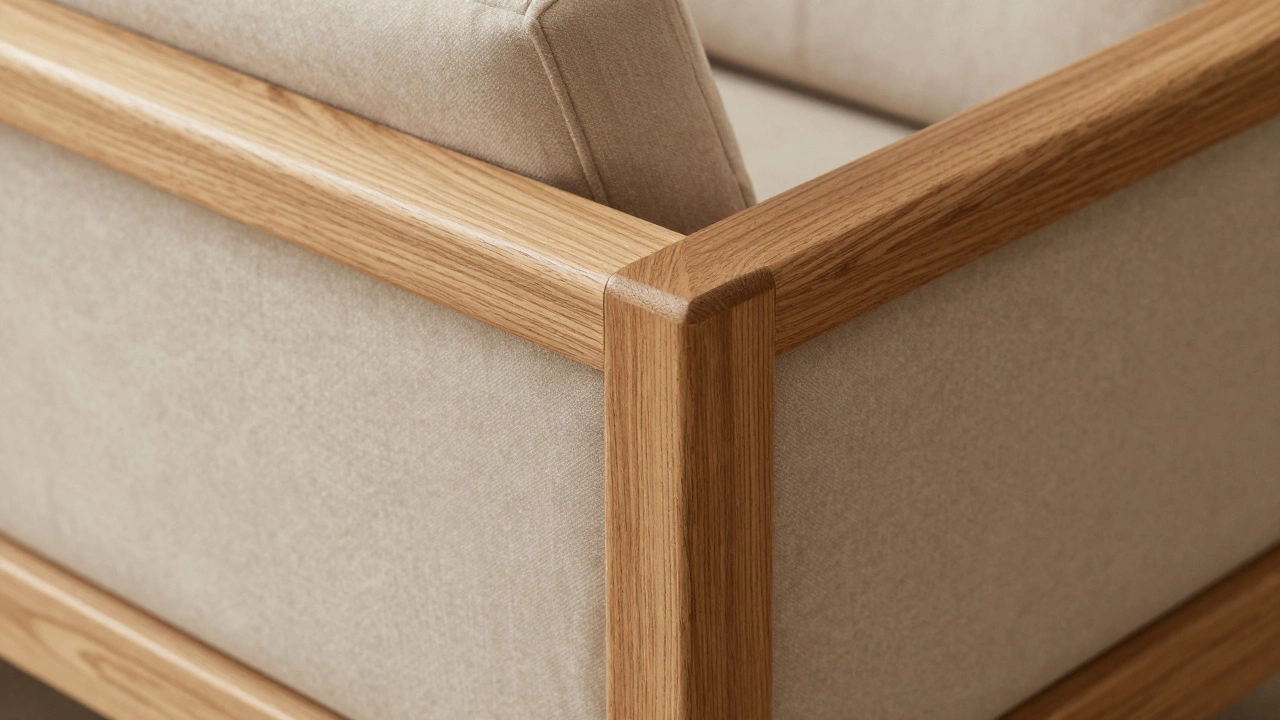
Kiln-Dried Hardwood is the gold standard for durability. This process removes moisture from the wood, preventing warping, shrinking, or cracking over time. Look for frames made from oak, ash, maple, or beech. These woods are dense and resistant to the stress of daily sitting. Avoid softwoods like pine or fir unless they are heavily reinforced, as they can snap under heavy loads or humid conditions.
Particle board and MDF (Medium Density Fiberboard) are common in budget sofas. While they might hold up for a few years in a guest room, they are prone to swelling when exposed to humidity and can crumble if screws are tightened too much during assembly. For a primary living room sofa that sees heavy use, solid hardwood is non-negotiable.
How do you check the frame without buying it? Ask the retailer if the frame is "corner-blocked." Corner blocking involves adding extra pieces of wood at the joints where the seat meets the legs. This prevents the frame from twisting. Even better is "double-doweled" construction, where wooden pins reinforce the glue joints. If the salesperson can’t tell you what the frame is made of, walk away.
Cushioning: The Heart of Comfort and Longevity
A sturdy frame means nothing if the cushions flatten into pancakes. Cushion durability depends on two factors: density and type.
High-Resilience (HR) Foam is the best choice for long-term seating. HR foam has a higher density than standard polyurethane foam, meaning it contains more material per cubic foot. This allows it to bounce back after you stand up, rather than staying compressed. Look for a density rating of at least 1.8 pounds per cubic foot for seat cushions. Anything below 1.5 tends to sag within 18 to 24 months of regular use.
Some sofas use a hybrid approach: a layer of HR foam topped with down feathers or fiberfill. This offers a luxurious, sink-in feel initially. However, pure down cushions require frequent fluffing and tend to lose their shape faster than all-foam options. If you want low maintenance and consistent support, stick to high-density foam or pocketed coils.
Pocketed coil springs, similar to those in mattresses, provide excellent support and airflow. They don’t sag like foam and last significantly longer. Many high-end durable couches combine a base of pocketed coils with a top layer of HR foam for the perfect balance of support and comfort.
Fabric vs. Leather: Which Survives Daily Abuse?
The cover is the first line of defense against spills, scratches, and wear. Your choice here depends largely on your lifestyle.
Performance Fabrics have revolutionized the furniture industry. Brands like Sunbrella, Crypton, and SmartFabric by Mohawk create textiles that are stain-resistant, water-repellent, and incredibly tough. These fabrics are often treated with fluorocarbon-free chemicals that prevent liquids from soaking in. You can wipe up wine, coffee, or pet accidents with a damp cloth. They are also highly resistant to pilling and fading, making them ideal for sunny rooms or households with active children.
Natural fibers like cotton and linen look great but are notoriously difficult to maintain. They absorb stains quickly and can pill or fade over time. Unless you’re willing to invest in professional cleaning every few months, avoid natural fibers for high-traffic areas.
Leather is another popular choice for durability. Full-grain or top-grain leather develops a patina over time, which many people find attractive. It is easy to clean and resists dust mites. However, leather can scratch easily, especially from pet claws, and may crack if not conditioned regularly. Bonded leather, often marketed as a budget alternative, peels and flakes within a few years. Always specify "top-grain" or "full-grain" if you choose leather.
| Material Type | Stain Resistance | Abrasion Rating (Martindale) | Best For |
|---|---|---|---|
| Performance Fabric (e.g., Crypton) | Excellent | >30,000 cycles | Pets, Kids, Spills |
| Top-Grain Leather | Good (with conditioner) | >50,000 cycles | Allergy sufferers, Easy cleaning |
| Natural Cotton/Linen | Poor | 15,000-20,000 cycles | Low-traffic guest rooms |
| Microfiber | Very Good | 30,000+ cycles | Budget-friendly durability |
Understanding Abrasion Ratings
If you’re buying fabric separately or looking at technical specs, you’ll see terms like "Double Rubs" (Wyzenbeek test) or "Martindale Cycles." These measure how many times a fabric can be rubbed back and forth before showing signs of wear.
For residential use, a minimum of 15,000 double rubs is recommended. For heavy-use families or homes with pets, aim for 30,000 to 50,000 double rubs. Commercial-grade fabrics often exceed 100,000 cycles. Don’t be fooled by marketing jargon; ask for the specific test results. A durable couch should proudly display these numbers.
Construction Details That Matter
Beyond materials, how the parts fit together determines longevity. Glue alone is rarely enough. Look for sofas that use mechanical fasteners like screws, dowels, or corner blocks. These methods distribute weight evenly and prevent joints from loosening over time.
Check the legs. Solid wood or metal legs are far more durable than plastic or hollow wood legs. Ensure they are securely attached to the frame, not just screwed into the bottom panel. A wobbly leg indicates poor construction that will likely worsen.
Armrests are another stress point. Hardwood arms wrapped in fabric or leather last longer than foam-filled arms covered in thin vinyl. Foam arms can flatten or tear if leaned on frequently.
Maintenance Tips to Extend Life
Even the most durable couch needs care. Vacuuming the crevices weekly prevents dust and debris from grinding into the fibers. Rotate cushions monthly to ensure even wear. For leather, apply a conditioner twice a year to keep it supple. For performance fabrics, follow the manufacturer’s cleaning instructions-usually a mild soap and water solution.
Avoid placing your sofa in direct sunlight, as UV rays can fade fabrics and dry out leather. Use curtains or blinds to protect your investment. If you have pets, consider a washable slipcover or a dedicated pet blanket to catch hair and scratches.
Red Flags to Avoid
When shopping, watch out for these warning signs of poor durability:
- Vague material descriptions (e.g., "wood frame" instead of "kiln-dried hardwood").
- Sagging seat cushions when you sit on the edge.
- Visible gaps between the seat and the frame.
- Thin, shiny fabric that feels synthetic and cheap.
- Lack of warranty information or short warranty periods (less than one year).
A reputable manufacturer will offer a limited lifetime warranty on the frame and at least five years on the cushions and mechanisms. This confidence in their product is a good indicator of quality.
Is leather or fabric more durable for a couch?
It depends on your definition of durability. Top-grain leather is highly resistant to wear and easy to clean, making it durable against abrasion. However, it can scratch easily. Performance fabrics like Crypton or Sunbrella are more resistant to stains, tears, and fading, making them more durable for households with pets or children who spill things. For general longevity, both are excellent choices if high-quality.
How can I tell if a sofa frame is strong?
Lift the front corners of the sofa. If it feels surprisingly light, it’s likely made of particle board or lightweight softwood. A solid hardwood frame will feel heavy and substantial. Additionally, ask the retailer if the frame is kiln-dried and corner-blocked. These features indicate robust construction designed to last decades.
What is the best foam density for sofa cushions?
Look for high-resilience (HR) foam with a density of at least 1.8 pounds per cubic foot. Lower density foams (below 1.5) tend to sag and lose their shape within a couple of years. Higher density foams retain their bounce and support, ensuring the couch remains comfortable for many years.
Are sectional couches less durable than traditional sofas?
Not necessarily. Sectionals can be just as durable as traditional sofas if they are built with the same high-quality materials. The key is to check the connection points between sections. Ensure they are secure and don’t shift. Also, verify that each section has its own sturdy frame and high-density cushions. Some modular sectionals allow you to replace individual pieces, which can extend the overall life of the setup.
How long should a high-quality couch last?
A well-made couch with a hardwood frame, high-density foam, and durable fabric or leather should last between 7 to 15 years, or even longer with proper care. Budget sofas typically last 3 to 5 years before showing significant signs of wear, such as sagging cushions or torn fabric.